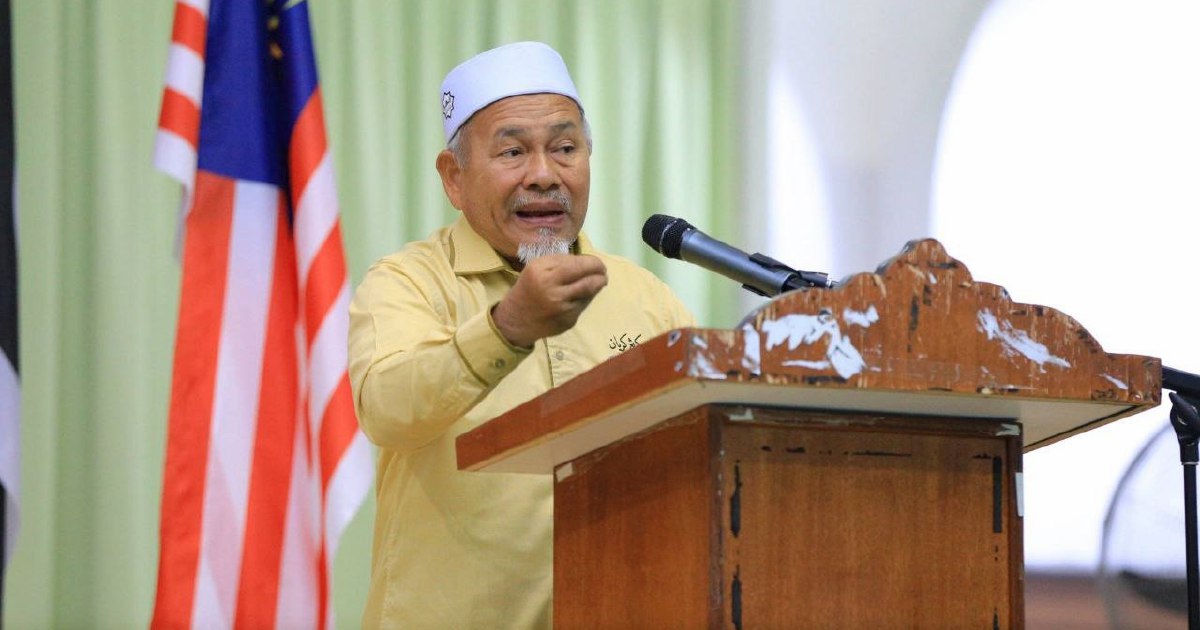
The Islamic Party of Malaysia has indicated a readiness to explore reciprocal seat arrangements with its coalition partner UMNO in forthcoming electoral contests, Datuk Seri Tuan Ibrahim Tuan Man announced while in his parliamentary constituency of Temerloh. The PAS deputy president's statement signals an evolving approach to inter-party negotiations within Malaysia's ruling Barisan Nasional coalition, as both major conservative-leaning parties seek to optimise their electoral positioning and seat distribution ahead of the next general election.
Tuan Ibrahim's comments reflect the pragmatic calculations that dominate coalition politics in Malaysia, where seat allocation disputes have historically proven contentious between major partners. The willingness to discuss swapping incumbent seats—those currently held by either party in both state assemblies and parliament—suggests PAS recognises the value of strategic repositioning to strengthen overall coalition performance. This flexibility indicates the party is not rigidly attached to defending every current parliamentary and state assembly seat, but rather focuses on maximising collective electoral gains.
The conditional nature of PAS's openness is particularly significant. While the deputy president confirmed receptiveness to these negotiations, he simultaneously underscored that any agreement would need to satisfy specific benchmarks and requirements that the party has yet to publicly detail. These unstated conditions likely relate to demographic composition of constituencies, historical performance metrics, leadership representation, and resource allocation. The deliberate vagueness suggests ongoing internal PAS deliberations about what constitutes acceptable terms for seat concessions to UMNO.
For Malaysian observers tracking coalition dynamics, this development carries implications extending beyond mere electoral logistics. UMNO and PAS, despite their ideological proximity as Malay-Muslim dominated parties, have experienced periods of intense rivalry competing for the same electoral base. Any formalised seat-swapping arrangement would require both parties to trust their coalition partner's capacity to deliver competitive performance in constituencies being ceded to them. Such arrangements demand sophisticated internal party discipline and genuine commitment to coalition success over narrow partisan interests.
The electoral landscape in Malaysia has grown increasingly complex in recent years, with third-force competition fragmenting traditional voting patterns. Both UMNO and PAS recognise that unified coalition strategy produces stronger outcomes than uncoordinated candidacy. By discussing seat swaps, the parties acknowledge that some constituencies suit one party's strengths better than the other's, and that rationality dictates allowing each to contest where their organisational capacity and voter appeal prove strongest.
From a Southeast Asian perspective, Malaysia's coalition negotiations illustrate broader regional patterns where electoral mathematics frequently override ideological differences. Unlike winner-take-all systems, Malaysia's multi-party democracy rewards sophisticated power-sharing arrangements. The UMNO-PAS dynamic represents one of the region's most intricate coalition relationships, oscillating between cooperation and competition depending on immediate political advantage and long-term strategic considerations.
The timing of Tuan Ibrahim's statement carries weight, coming as Malaysia enters a preparatory phase for elections that will determine political direction for years ahead. Both parties have invested significantly in building organisational capacity and voter loyalty, yet both recognise diminishing returns from contesting multiple three-cornered fights against each other while facing opposition coalition challenges. Seat coordination effectively allows them to present a united front while optimising each party's competitive position.
Historically, seat allocations within Malaysian coalitions have generated substantial internal friction. UMNO traditionally dominated seat distribution as the largest coalition component, creating resentment among smaller partners including PAS. Any new arrangement reflecting PAS's current enhanced political status—derived from its stronger parliamentary representation in recent years—would represent a meaningful shift in intra-coalition balance. This evolution suggests PAS has successfully leveraged its bargaining position to demand more equitable negotiating treatment.
The pathway toward formalised seat-swapping agreements requires careful choreography involving multiple party committees, state-level organisations, and selected candidate nominees. PAS cannot simply surrender seats without adequate explanation to incumbent representatives or local party members invested in defending specific constituencies. Similarly, UMNO must manage expectations among its own aspirants for seats being discussed as potential giveaways. These negotiations typically proceed quietly to minimise internal dissent and prevent opposition exploitation of any perceived weakness or division.
PAS's conditional receptiveness also signals confidence in its organisational strength and voter appeal. Rather than desperately clinging to every existing seat, the party position implies sufficient electoral prospects to afford some flexibility. This contrasts sharply with parties operating from positions of weakness, who typically resist seat concessions fearing diminished influence. The confidence evident in Tuan Ibrahim's remarks suggests PAS leadership believes its party can perform credibly in whatever portfolio of seats ultimately emerges from negotiations.
For Malaysian voters and political observers, these behind-the-scenes negotiations underscore the reality that electoral outcomes reflect complex party strategy and resource allocation as much as public sentiment. The UMNO-PAS seat discussions exemplify how contemporary Malaysian politics operates increasingly through coalition mechanics rather than individual party performance. Understanding these arrangements provides insight into how eventual campaign strategies and candidate selections will ultimately shape electoral choices available to Malaysian voters.
The broader implications for Malaysian politics involve questions about coalition stability and whether formalised seat arrangements strengthen or weaken overall coalition coherence. Greater clarity about seat allocations reduces campaign-period friction and allows both parties to concentrate resources on competitive battlegrounds. However, guaranteed seats may reduce individual candidate incentive for vigorous campaigning and constituent service. The optimal balance between efficiency and motivation remains an unresolved challenge for Malaysian coalition managers entering electoral negotiations.

