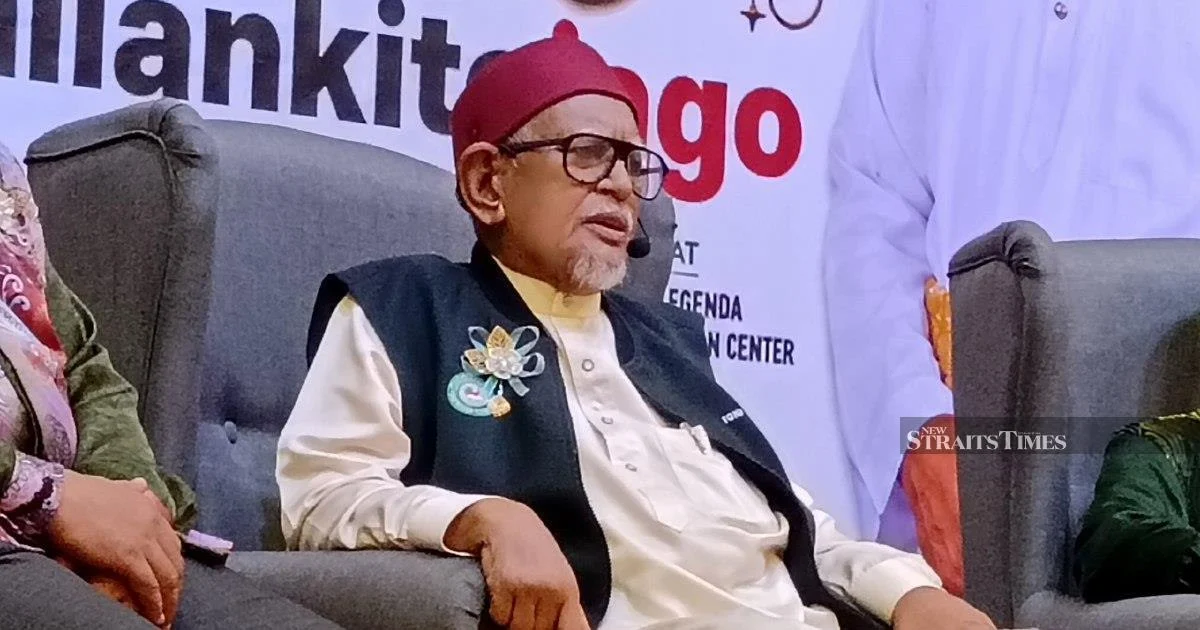
Discussions between PAS and Umno over seat allocation and leadership positions for the Negri Sembilan state election remain fluid, with the Islamic party demonstrating openness to endorsing an Umno politician as the chief minister candidate in exchange for a finalised electoral pact. The statement from PAS leadership in Seremban signals an evolving approach to coalition politics in the state, where both parties have been exploring arrangements that could reshape the political landscape ahead of the August 1 polls.
The willingness shown by PAS to consider an Umno figure for the menteri besar position reflects the broader patterns of political pragmatism that have characterised Malaysian electoral coalitions in recent years. Rather than insisting on retaining the chief minister post, PAS appears prepared to prioritise concrete seat allocations and ministerial positions across other constituencies, a negotiating stance that acknowledges Umno's historical strength in Negri Sembilan and demographic realities across various constituencies.
For Umno, the overture represents a potential path to strengthening its position in a state where it has traditionally held significant influence but faces fragmented opposition. The combination of PAS grassroots organisation, particularly in rural and semi-rural areas, with Umno's established administrative machinery and urban support base could theoretically create a formidable electoral coalition. However, the ongoing nature of these discussions underscores that no binding agreement has yet been reached, leaving the political situation fluid as campaigning approaches.
The timing of these negotiations carries particular significance given the competitive landscape in Negri Sembilan. The state has been politically contested in recent election cycles, with various coalitions attempting to build majorities in the 36-seat state assembly. Any finalised pact between PAS and Umno would materially alter the arithmetic, potentially consolidating a substantial bloc of seats and reducing fragmentation among the non-ruling parties.
For Malaysian readers following national politics, these state-level negotiations merit attention as barometers of larger coalition dynamics. The relationship between PAS and Umno has historically been complicated, marked by periods of alliance and separation. The current discussions suggest both parties perceive mutual benefit in cooperation for the Negri Sembilan contest, though whether this translates into a sustained broader alliance remains uncertain. The negotiations also reveal how state elections serve as testing grounds for coalition configurations that may have national implications.
The menteri besar position itself represents a symbolic and substantive prize in Malaysian state politics, carrying real authority over development spending, infrastructure projects, and administrative appointments. That PAS is apparently willing to cede this position demonstrates either confidence in securing substantial secondary gains or recognition that Umno's structural advantages in certain constituencies make Umno leadership the more viable option for maximising overall electoral success.
Negri Sembilan's specific political context also shapes these negotiations. The state encompasses a diverse population with distinct concentrations of support for different parties across its nine districts. Urban areas such as Seremban have shown varying degrees of receptiveness to different political messages, while rural districts have different demographic profiles and political traditions. Any seat distribution agreement must therefore account for these granular variations, making negotiations more complex than simple mathematical proportions might suggest.
The August 1 election date itself imposes a practical deadline on these discussions. Political parties in Malaysia typically formalise campaign machinery and candidate selections several weeks before polling day, requiring both PAS and Umno to reach definitive arrangements reasonably soon. The ongoing nature of talks suggests both parties are still calibrating their respective demands and testing the credibility of the other's commitments.
For observers tracking Malaysian electoral trends, such negotiations illustrate how state elections force pragmatic coalition-building even between parties that may harbour reservations about one another. Rather than ideological purity, electoral mathematics drive these calculations. Both PAS and Umno presumably view winning seats and influence in Negri Sembilan as a higher priority than maintaining strict autonomy or ideological consistency regarding coalition partners.
The broader regional context also matters. Southeast Asian democracies frequently see coalition negotiations intensify ahead of elections as parties weigh different partnership options. Malaysia's experience demonstrates how such negotiations unfold across multiple timeframes and state-level contests, with agreements in one state potentially establishing precedents or confidence-building measures for other regions.
If a final agreement is reached, the structure of that pact—whether it involves formal alliance mechanisms, separate campaign strategies, or integrated candidate selection—will likely signal something about both parties' confidence levels and longer-term intentions. Observers will watch not merely whether an agreement emerges, but what form it takes and how comprehensively the partners campaign on unified platforms versus distinct messaging.
Ultimately, these Negri Sembilan negotiations encapsulate contemporary Malaysian politics: fluid coalitions driven by electoral calculation, willingness to accommodate partners on symbolic positions in exchange for substantive gains, and ongoing uncertainty until formal agreements materialise. The coming weeks will likely clarify whether PAS and Umno's stated openness translates into concrete campaign coordination.

