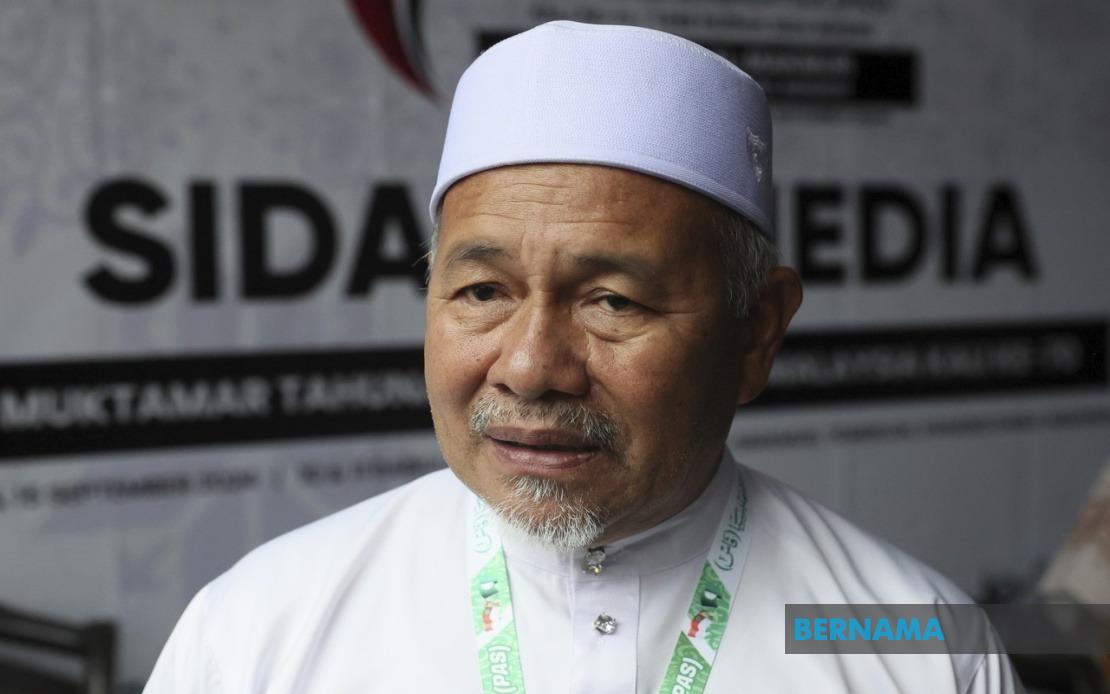
The Islamic party PAS has renewed calls for fugitive businessman Low Taek Jho, commonly known as Jho Low, to be extradited to Malaysia and prosecuted in domestic courts for his alleged role in the 1Malaysia Development Berhad scandal, maintaining that Kuala Lumpur should chart an independent legal course regardless of international developments affecting the case.
Speaking in Kota Bharu after chairing the Pasir Mas PAS division annual general meeting, party deputy president Datuk Seri Tuan Ibrahim Tuan Man asserted that Malaysia possesses a sovereign judicial system fully capable of handling the matter without necessarily aligning itself with positions adopted by the United States. This statement carries particular significance given recent media reports indicating that Jho Low may be among approximately 250 individuals under consideration for a presidential pardon by United States President Donald Trump as part of celebrations marking the nation's 250th Independence Day.
Tuan Ibrahim's position reflects growing concern within Malaysian political circles about the trajectory of the high-profile case, which has dominated headlines since 2015 when allegations first emerged regarding the massive misappropriation of state funds through the sovereign wealth fund. The 1MDB scandal became one of the most significant corruption investigations globally, exposing what authorities characterized as a deliberate scheme to siphon billions of ringgit from the development fund established to generate economic returns for Malaysia.
Central to Tuan Ibrahim's argument is the contention that Malaysia has suffered the most grievous consequences from the alleged fraud, justifying the country's paramount claim to prosecute Jho Low through its own courts. The scandal triggered substantial economic repercussions for the nation, including forensic revelations of misappropriated funds deployed internationally, damage to Malaysia's reputation in global financial markets, and significant strain on the country's fiscal position. From this perspective, allowing another jurisdiction to determine the ultimate legal fate of the primary figure allegedly orchestrating the scheme would represent an abdication of Malaysia's legitimate interests.
The PAS deputy's remarks also encompassed an appeal to Malaysian authorities to accelerate the extradition process, suggesting that bureaucratic delays have prolonged an already lengthy saga that commenced following the change of government in 2018. Jho Low has evaded apprehension for years despite multiple arrest warrants issued by Malaysian courts, with his whereabouts remaining largely unknown to the public, though intelligence agencies maintain various theories about his location. The protracted nature of the pursuit has generated frustration among Malaysian officials and the public alike, who view the case as emblematic of accountability challenges in high-stakes corruption matters.
Prime Minister Datuk Seri Anwar Ibrahim addressed the pardon speculation during remarks yesterday, reaffirming Malaysia's unwavering commitment to pursuing the legal action against Jho Low notwithstanding international developments or potential executive actions by foreign governments that might complicate the prosecution. Anwar's statement signalled determination within the federal government to continue pressure on both the extradition front and through diplomatic channels to ensure the businessman faces trial. The prime minister's positioning on the issue carries particular weight given Malaysia's historical experience with cross-border corruption cases and the political sensitivity surrounding this specific scandal.
The timing of Tuan Ibrahim's statement, coinciding with speculation about possible clemency from the outgoing Trump administration, underscores anxieties among Malaysian stakeholders that Jho Low could obtain relief from prosecution through mechanisms outside Malaysia's control. Such an outcome would prove deeply problematic domestically, as it would effectively shield from accountability a figure whose alleged actions caused substantial documented harm to Malaysian state coffers and development aspirations. The prospect of a pardon would likely trigger significant political backlash and questions about the adequacy of Malaysia's mechanisms for pursuing justice in transnational corruption cases.
The 1MDB case encompasses multiple jurisdictional dimensions, with various countries including the United States, Singapore, and Switzerland having investigated alleged money laundering activities and unauthorized fund transfers facilitated through international financial systems. Malaysia's position in this complicated multilateral framework remains crucial because the fund originated from Malaysian legislation and operated under Malaysian oversight, giving the country paramount interest in accountability. Nevertheless, international investigations have proceeded on parallel tracks, with American prosecutors securing guilty pleas and convictions from various intermediaries involved in the scheme, including financiers and foreign intermediaries who facilitated offshore transactions.
Jho Low's evasion of arrest represents a significant gap in the global anti-corruption architecture, particularly given the scale of alleged misappropriation and the involvement of international financial institutions that should theoretically detect such flows. His continued freedom, despite widely publicized allegations and legal processes in multiple countries, has prompted ongoing discussions about improvements needed in extradition coordination and asset recovery mechanisms. Malaysian authorities have faced particular frustration in tracking his movements and securing legal processes necessary for his return.
Tuan Ibrahim's intervention adds political weight to executive branch efforts to pursue the case, demonstrating that the issue commands support across Malaysia's political spectrum despite the party's complex relationship with matters of governance. This broad consensus on the necessity of domestic accountability reflects the case's profound impact on Malaysian public consciousness and the widespread view that allowing Jho Low to escape prosecution would represent a failure of the nation's legal institutions. The PAS deputy's emphasis on Malaysia's independent judicial capacity also carries subtle diplomatic messaging, indicating that the country will not passively accept external determinations of the case's outcome.

