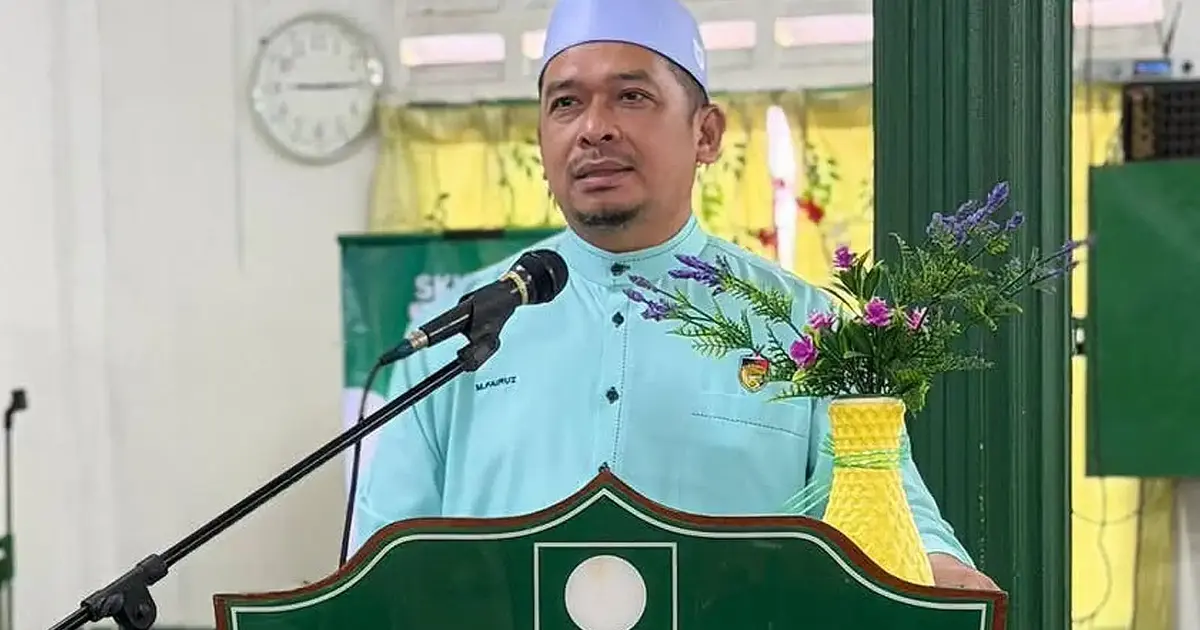
The Islamic Party of Malaysia has signalled an aggressive electoral strategy for the upcoming Negeri Sembilan state assembly elections, with party officials announcing plans to contest several constituencies currently represented by the Democratic Action Party. State PAS chief Fairuz Isa unveiled this targeting strategy, identifying constituencies where DAP has maintained electoral dominance but where the demographic composition could present opportunities for the party to gain ground among Malay voters.
This move represents a notable shift in the electoral calculus within Negeri Sembilan, where DAP has traditionally maintained control over several state assembly seats through its appeal to Chinese and urban voters. The focus on constituencies with Malay populations of 40% or higher suggests PAS is calculating that demographic leverage could translate into electoral gains, particularly if the party can mobilise its base effectively in these mixed communities. The specific demographic threshold cited by Fairuz Isa indicates a data-driven approach to seat selection, moving away from blanket contestation towards a more strategic allocation of party resources.
The targeting strategy carries significant implications for Malaysia's broader political landscape, where the balance between DAP and PAS has remained a defining feature of multiethnic representation. Negeri Sembilan, as a state with diverse communities and a history of closely contested elections, has often served as a bellwether for shifts in voter sentiment across different demographic groups. PAS's focus on mixed constituencies rather than purely Malay-majority areas suggests the party believes it can build a broader coalition appeal beyond its traditional support base.
DAP's performance in these Negeri Sembilan seats reflects the party's broader positioning as a representative of urban, business-oriented, and minority interests across Malaysia. The party has consistently performed well in mixed constituencies, though its presence in Malay-majority areas remains comparatively weaker. If PAS succeeds in contesting seats in areas with substantial Malay populations, it could create triangular contests that reshape the political competition within Negeri Sembilan and set precedents for future elections elsewhere.
Fairuza Isa's announcement also signals PAS's confidence in its electoral machinery and grassroots organisation within the state. The party has experienced fluctuations in its electoral fortunes across different regions, and a strategic push in Negeri Sembilan would represent an attempt to strengthen its presence in a state where it has historically held a minority of seats. The choice to target DAP specifically, rather than contest seats against the ruling coalition or other opposition parties, suggests a calculation about where the party sees the greatest opportunity for seat gains.
The timing of this announcement is noteworthy, as it comes amid broader discussions about the possibility of state-level elections in various Malaysian states. Negeri Sembilan, unlike some other states, operates on a fixed electoral cycle, though speculation about potential polling dates remains frequent. PAS's early articulation of its electoral strategy allows the party to build voter awareness and consolidate its messaging ahead of any official election announcement.
For Negeri Sembilan's voters, particularly those in mixed constituencies, this development suggests they may face more competitive polling campaigns than in previous election cycles. The introduction of PAS as an active contender in seats previously dominated by DAP could energise voter turnout and force both parties to sharpen their messaging about issues that resonate with Malay communities, whether related to economic concerns, religious matters, or local governance.
The strategic focus on constituencies with specific demographic profiles also reflects broader trends in Malaysian politics, where parties increasingly employ sophisticated demographic analysis to inform electoral decisions. This approach contrasts with earlier patterns of less targeted contestation and suggests that party strategists are becoming more data-conscious in allocating limited campaign resources. For PAS, identifying constituencies where demographic composition aligns with its support base offers a more efficient pathway to seat gains than contesting across the entire state.
The potential implications extend beyond Negeri Sembilan itself. Should PAS succeed in winning seats from DAP in this state, it could embolden similar strategies in other states with comparable demographic patterns. This could reshape the nature of opposition politics in Malaysia, potentially leading to greater competition between PAS and DAP for seats in mixed constituencies, while potentially reducing contest dynamics in other political arenas.
Meanwhile, DAP will likely respond to this challenge by intensifying its engagement with Malay communities in Negeri Sembilan, emphasising its multi-ethnic credentials and policy positions that appeal across demographic divides. The party has historically struggled to maintain traction in constituencies with substantial Malay populations, and a coordinated PAS challenge could further pressure its position in these areas.
Fairuza Isa's targeting announcement represents one of several indicators of how Malaysian political parties are preparing for the electoral cycle ahead, each attempting to identify opportunities to expand their electoral bases or consolidate existing support. For voters and observers, this signals that future elections are likely to feature more strategically focused contests, with parties concentrating resources where they perceive the greatest likelihood of success based on demographic and historical data rather than contesting uniformly across all available seats.