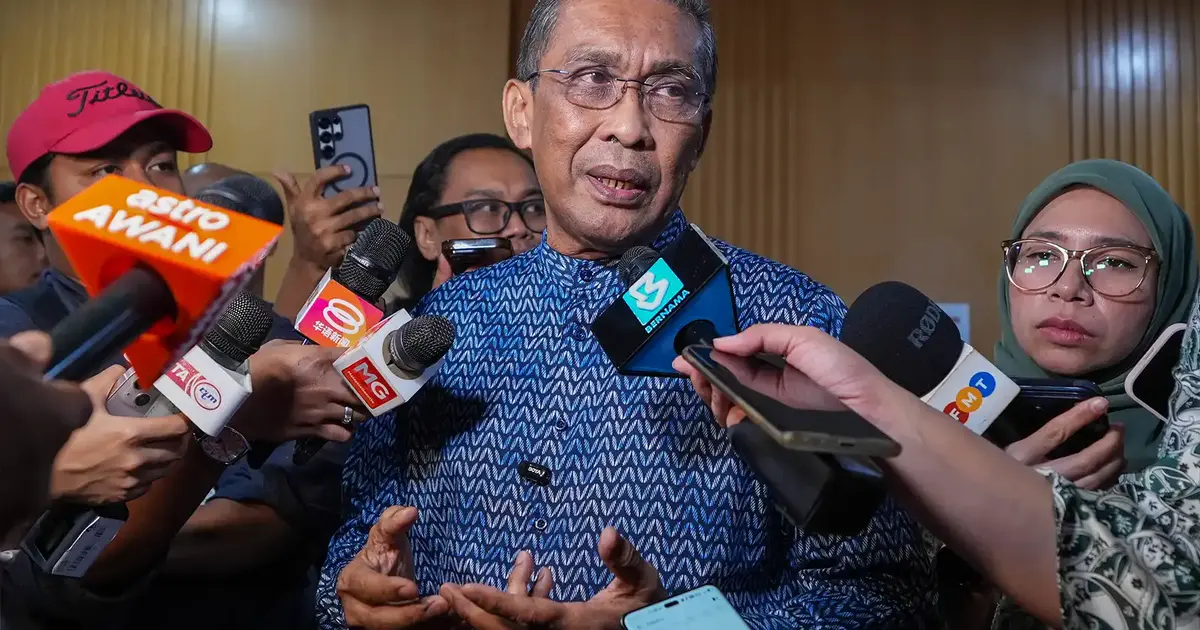
PAS is preparing to bring the question of closer ties with Umno before its assembled delegates at the upcoming muktamar, according to the party's secretary-general, signalling that the relationship between the two major Malay-Muslim political organisations will be a focal point of internal party discussion. The formal presentation of a motion on cooperation represents a significant step in articulating the party's position on working arrangements with its long-standing counterpart, reflecting the ongoing evolution of Malay-Muslim political alignment in Malaysia's complex party landscape.
The decision to elevate the Umno cooperation matter to muktamar level underscores PAS leadership's commitment to ensuring grassroots party members have direct input on strategic partnerships and political directions. By tabling such a motion, the party leadership creates space for delegates to express their views, propose amendments, and collectively shape party policy on inter-party relations. This democratic approach within PAS structures contrasts with informal backroom negotiations and demonstrates how major political decisions increasingly require broader party endorsement, particularly among conservative Islamic-oriented movements where grassroots engagement carries significant legitimacy weight.
Muslim unity stands as a secondary but equally important theme that party officials expect will feature extensively in muktamar debates. This emphasis reflects PAS's historical positioning as a defender of Islamic interests and Malay-Muslim communal concerns. The framing of Muslim unity alongside Umno cooperation suggests the party views collaboration with Umno as instrumental to achieving broader religious and communal objectives, rather than purely transactional political arrangement. For PAS delegates, the muktamar provides an opportunity to discuss whether Umno partnership strengthens or potentially dilutes the party's Islamic mission and Muslim advocacy credentials.
The timing and substance of these discussions carry implications extending beyond the two parties themselves. In Malaysia's political architecture, the relationship between PAS and Umno significantly influences Malay-Muslim voter coalescence, government formation possibilities, and the balance of power within the larger political ecosystem. When either party convenes its leadership forum to discuss the relationship, it sends signals to coalition partners, rival factions, and the voting public about strategic intentions and political direction. The muktamar motion therefore functions as both internal party deliberation and broader political communication to Malaysia's political establishment.
Historically, PAS and Umno have experienced cycles of cooperation and competition, shaped by ideological differences, leadership personalities, and electoral calculations. Umno has traditionally positioned itself as the moderate, pragmatic guardian of Malay-Muslim interests through constitutional monarchy and secular governance frameworks, while PAS has championed more explicit Islamic governance and religious law expansion. These fundamental differences have created recurring tensions even during periods of formal alliance. The muktamar discussion will likely address whether contemporary cooperation arrangements adequately protect PAS's Islamic advocacy mission or whether the party risks compromising its distinct identity through excessive alignment with Umno's more establishment-oriented approach.
For Malaysian voters watching these developments, muktamar outcomes will signal whether PAS intends deeper integration with Umno or maintenance of strategic distance. Constituencies where PAS holds significant support will be particularly attentive to how the party positions itself relative to Umno, as this affects electoral strategy, candidate selection, and policy priorities. In states where PAS governs or possesses substantial representation, these partnership questions have direct governance implications, potentially influencing how state administrations function and which policy initiatives receive priority.
The broader Southeast Asian context also warrants consideration. Islamic movements across the region navigate similar tensions between religious mission and pragmatic political engagement. How PAS resolves questions around Umno cooperation influences perceptions of Islam-based political movements throughout the region, affecting their international standing and cross-border ideological networks. The party's muktamar decisions contribute to regional conversations about the compatibility of Islamic politics with democratic institutions, inclusive governance, and multi-communal societies.
Since returning to power as part of the Perikatan Nasional government formation, PAS has occupied an increasingly central position in Malaysian politics, holding ministerial portfolios and significant influence over policy directions. This elevated status means party internal deliberations on strategic alliances carry heightened weight, affecting not merely PAS fortunes but also national governance trajectories. The muktamar motion on Umno cooperation therefore deserves attention from policy observers, political analysts, and citizens interested in understanding how Malaysian political configurations will likely evolve in coming months and years.
Delegates attending the muktamar will arrive with diverse perspectives shaped by local political conditions, personal relationships, generational attitudes, and interpretations of party ideology. Some may view Umno cooperation as essential pragmatism enabling PAS to expand influence and advance Islamic causes through government participation. Others may harbour concerns that excessive alignment diminishes PAS's prophetic voice and distinct position as a principled Islamic alternative. The motion discussion will likely reveal these internal tensions, providing clearer pictures of party member sentiment and leadership challenges ahead.
The ultimate muktamar decisions on both the Umno cooperation motion and Muslim unity themes will shape PAS's political positioning through subsequent election cycles and government formation scenarios. Whether the party emerges from muktamar with stronger commitment to Umno partnership or with expressed reservations will influence how both coalition partners calibrate future collaboration. For regional observers, the outcomes offer windows into how Islamic-based movements in democratic Southeast Asian contexts navigate the perpetual tension between ideological conviction and political viability.

