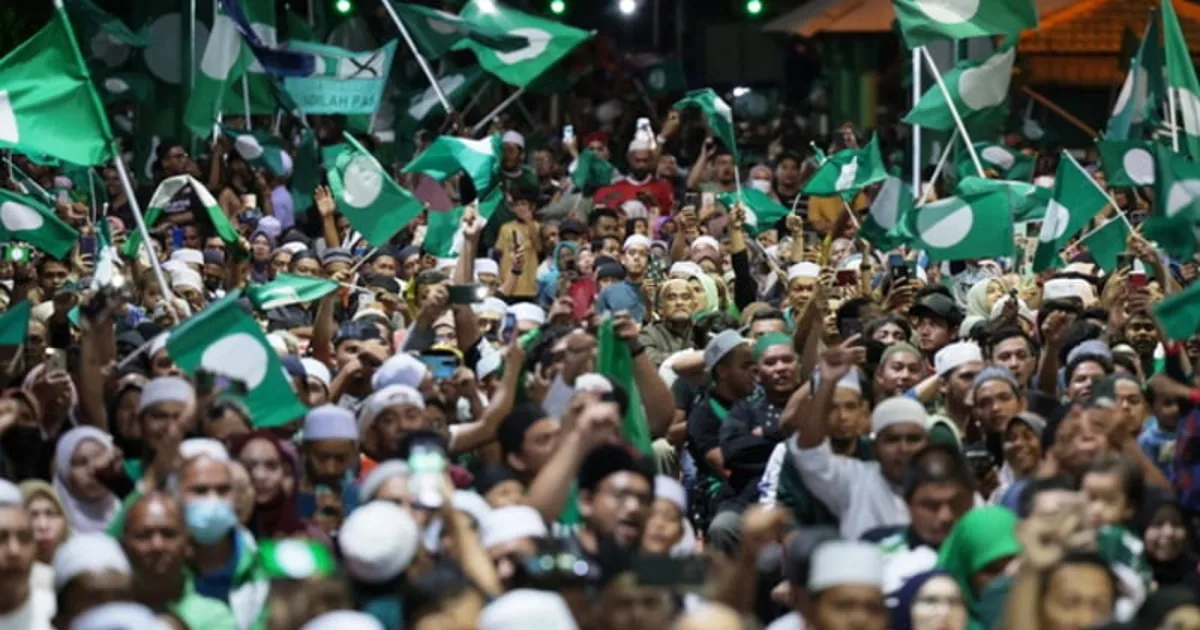
In a move signalling coordinated electoral strategy within the Perikatan Nasional coalition, PAS has repositioned its campaign apparatus away from constituencies where fellow component party Bersatu is fielding candidates. The decision reflects efforts by the Islamist party to concentrate its organisational strength and volunteer networks in seats where PAS maintains direct competition, rather than duplicating efforts across all contested constituencies.
This reallocation of campaign machinery represents a tactical adjustment within the opposition coalition's broader electoral architecture. By focusing resources on constituencies where it holds the strongest organisational presence, PAS aims to maximise its seat gains while enabling allied parties to deploy their own grassroots networks more effectively. The strategy suggests a maturing of intra-coalition discipline, where component parties have moved beyond competing with one another and toward a more integrated campaign framework.
The withdrawal from Bersatu-contested seats does not signify any breakdown in the Perikatan Nasional alliance. Rather, it exemplifies how multi-party coalitions optimise their combined electoral potential by avoiding redundancy. When multiple parties campaign intensively in the same constituency, they risk splitting votes or creating organisational inefficiencies that weaken their collective performance. By stepping back from certain battlegrounds, PAS allows Bersatu to operate without internal coalition competition.
For Malaysian voters, this development carries implications regarding voter choice and local representation. In constituencies where PAS has withdrawn, constituents will experience a less visible PAS campaign presence, even if they might prefer that party's candidate or policies. Conversely, seats where PAS concentrates its machinery will see heightened grassroots organising, potentially increasing voter engagement but also raising questions about which communities receive proportional campaign attention.
The broader context involves Perikatan Nasional's positioning as an electoral alternative to the ruling Pakatan Harapan coalition and other political groupings. For the opposition bloc to effectively challenge incumbents, internal coordination becomes essential. Coalition disputes over seat allocation have historically plagued opposition efforts across Southeast Asia, undermining their aggregate performance. PAS's decision to defer to Bersatu in designated constituencies demonstrates an attempt to overcome such factional infighting.
Bersatu, led by former Prime Minister Muhyiddin Yassin, brings its own organisational capacity to Perikatan Nasional, particularly in constituencies where it contests directly. By concentrating PAS resources elsewhere, the arrangement respects Bersatu's primary stake in those seats while ensuring PAS can deliver maximum effort where it has clearest pathways to victory. This division of labour reflects pragmatic coalition management.
The redistribution of PAS's campaign machinery also speaks to the party's internal organisational capabilities. PAS maintains substantial grassroots structures across Malaysia, particularly in peninsular constituencies and Terengganu, where it governs. Redirecting these assets toward seats where they face less internal coalition competition allows the party to leverage its institutional advantages more strategically, concentrating on constituencies where its religious messaging and organisational networks resonate most strongly.
From a regional perspective, Malaysian coalition dynamics influence broader Southeast Asian political patterns. Indonesia, Thailand, and the Philippines have all observed how opposition coalitions either fragment or consolidate, with Malaysia's experiences offering instructive lessons. PAS's disciplined approach to seat allocation suggests the Perikatan Nasional bloc has internalised lessons about coalition stability, potentially strengthening opposition viability in upcoming electoral contests.
The implications for Perikatan Nasional's electoral prospects depend partly on whether this coordination extends beyond campaign machinery to include campaign messaging and unified positioning on policy issues. Effective coalitions require not merely dividing constituencies but also presenting coherent platforms that voters understand and trust. PAS's withdrawal from certain seats represents mechanical coordination; the coalition's true test involves maintaining ideological coherence while encompassing diverse constituent interests.
Meanwhile, the movement of PAS resources raises questions about representation in constituencies abandoned by the party's campaign efforts. Voters in Bersatu-dominated seats may find PAS less accessible as a political option, potentially reshaping local political competition. This concentration strategy could entrench Bersatu's dominance in selected constituencies while ceding others to PAS, creating distinct regional strongholds within the opposition coalition.
Looking forward, this reallocation of campaign machinery demonstrates that Perikatan Nasional has moved beyond the ad-hoc, seat-sharing arrangements that characterised earlier Malaysian coalition experiments. Whether such coordination translates into sustained electoral gains or government performance depends on factors beyond campaign logistics—including economic conditions, voter sentiment, and the relative performance of competing coalitions. For now, the withdrawal signals a maturing political arrangement, though its ultimate success remains contingent on delivering results that satisfy PAS activists and voters across their concentrated operational zones.

