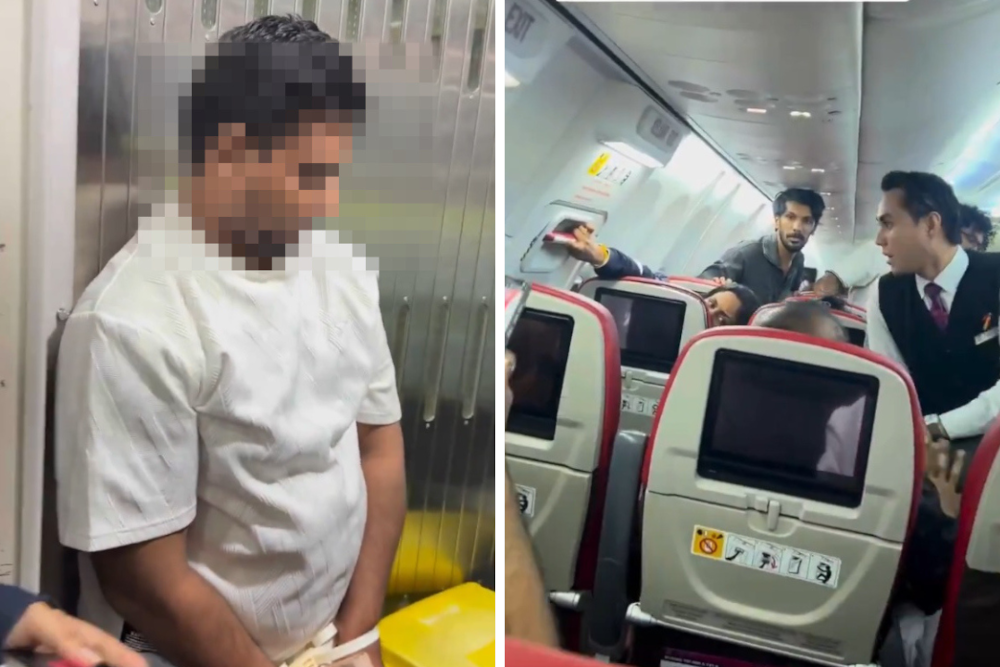
A man has been taken into custody following an alarming incident aboard a Batik Air flight in which he allegedly tried to open an emergency exit door while the aircraft was cruising at 9,144 metres. The attempt to breach the cabin door occurred during a service between Malaysia and India, prompting immediate intervention by crew members and heightened security concerns among aviation authorities across the region.
The incident represents a significant breach of in-flight safety protocols and raises questions about passenger screening procedures and cabin crew training responses to emergencies. Batik Air, Malaysia's largest independent carrier and a subsidiary of the Tune Group, has become the focus of scrutiny as investigators examine how the situation unfolded and what measures could have prevented such an occurrence. The airline has maintained strict operational standards since commencing commercial operations in 2012, serving destinations across Southeast Asia, South Asia, and beyond.
Aircraft emergency exit doors are engineered with multiple safety mechanisms designed to prevent accidental or deliberate opening while at altitude. The differential pressure between the cabin interior and the external atmosphere at cruising levels creates a physical barrier that makes manual opening virtually impossible under normal circumstances. However, the act of attempting to tamper with such critical safety equipment remains a serious criminal matter that threatens the security of all passengers and crew aboard the flight.
Cabin crew members responded swiftly to contain the situation, restraining the passenger and preventing any further attempts at accessing the emergency exit. Their quick reaction prevented what could have developed into a catastrophic emergency, highlighting the importance of rigorous training protocols for flight attendants in managing disruptive passenger behaviour and cabin security threats. The crew's professionalism in de-escalating the incident while maintaining passenger safety underscores the critical role these personnel play in aviation security.
The arrest of the individual has triggered a comprehensive investigation by both Malaysian aviation authorities and law enforcement agencies. Investigators are examining the passenger's background, motivations for the attempted door opening, and whether any underlying medical or psychological factors contributed to the behaviour. Such incidents necessitate multi-agency coordination between the airline, airport authorities, and relevant government bodies to establish a complete understanding of events.
This occurrence arrives amid broader global concerns about aviation security and unruly passenger incidents, which have escalated significantly in recent years across commercial flights worldwide. Regional carriers operating in Southeast Asia have reported increasing instances of passenger misconduct, ranging from verbal altercations with crew to physical disturbances. The International Air Transport Association has documented thousands of unruly passenger incidents annually, prompting airlines to strengthen boarding procedures and cabin management protocols.
Batik Air's operations span a substantial network connecting Malaysia with major cities throughout Asia, making it a key carrier for regional business and leisure travel. The airline has built a reputation for competitive pricing while maintaining safety standards, attracting millions of passengers annually. An incident of this magnitude could have ramifications for passenger confidence and regulatory expectations placed upon the carrier by aviation authorities.
Malaysia's Civil Aviation Authority has oversight responsibility for all domestic and international flights departing from Malaysian airports. The incident will likely prompt a review of existing security measures and may result in recommendations for enhanced screening procedures at departure gates. Such reviews are standard practice following any serious breach of cabin security, as authorities seek to identify gaps in current systems and implement corrective measures.
Passengers aboard the flight experienced considerable stress during and immediately following the incident, though they were kept informed of the situation through regular crew announcements. The aircraft continued to its intended destination without further complications, allowing investigators to conduct interviews and gather evidence. Psychological support has been made available to passengers affected by the traumatic experience.
The regulations governing in-flight security and passenger conduct are defined by international standards established through the International Civil Aviation Organization, with individual nations implementing additional measures consistent with their domestic aviation laws. Malaysia adheres to comprehensive regulations covering passenger behaviour, security screening, and crew authority to manage disruptive individuals. Violations of these regulations can result in substantial fines, criminal charges, and travel bans imposed by airlines and aviation authorities.
The incident underscores the continuous balancing act required in commercial aviation between maintaining welcoming environments for legitimate passengers while implementing rigorous security measures to prevent dangerous behaviour. Airlines across Southeast Asia are increasingly investing in crew training programmes specifically designed to recognise warning signs of potential disturbances and intervene before situations escalate to critical levels. Technology solutions, including enhanced biometric screening and passenger behaviour analytics, are also being explored by progressive operators.
Moving forward, this case will likely be referenced in training materials and safety discussions throughout the regional aviation industry. The outcome of the investigation and any subsequent legal proceedings will establish precedents for how authorities handle similar incidents involving attempts to compromise aircraft safety equipment. For Malaysian carriers and regional airlines, the incident serves as a reminder of the evolving nature of aviation security challenges and the necessity of maintaining vigilant, well-trained personnel aboard every commercial flight.

