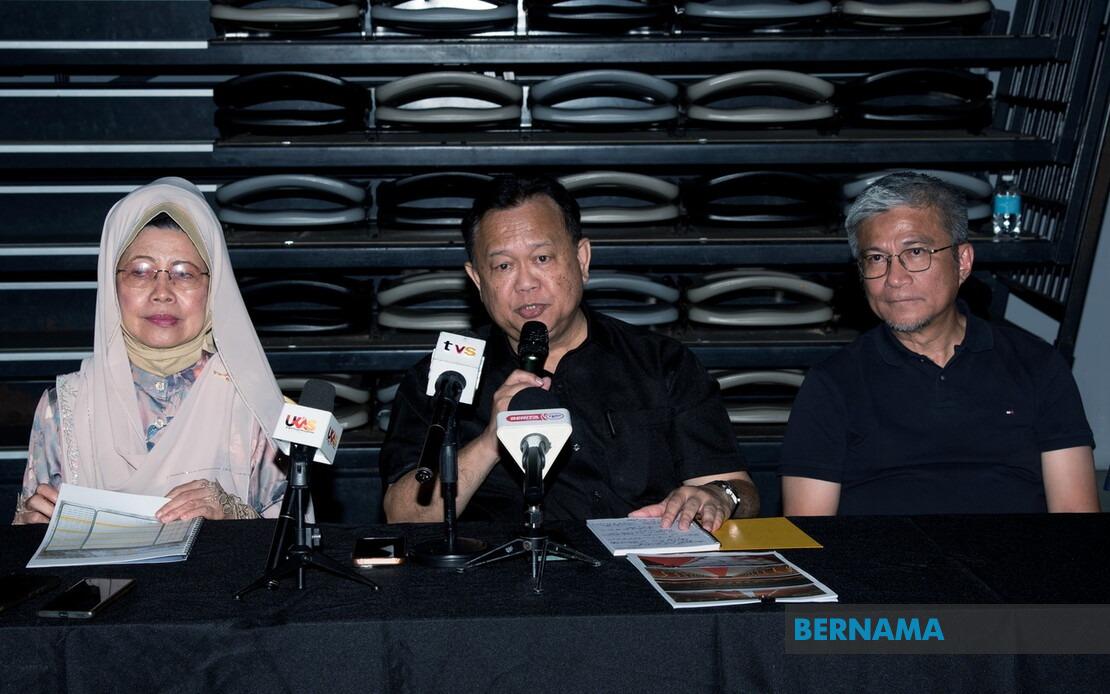
Sarawak's dominant Parti Pesaka Bumiputera Bersatu will bring together more than 3,000 delegates from across its Central Zone for a major special convention scheduled for July 26 at the Sibu Indoor Stadium. The assembly represents a significant gathering of party members from 24 branches in the region, underscoring the scale of organisational activity within the ruling formation that has dominated Sarawak politics for decades. This convention marks the opening salvo in what party leadership has framed as a structured approach to engaging party grassroots across the state's multiple geographic zones.
According to Datuk Seri Alexander Nanta Linggi, the secretary-general of PBB, the Central Zone convention will be the inaugural session of what the party intends as a sequential rollout throughout 2026. Following this gathering, the party has scheduled separate conventions for the southern, Betong, and northern zones, creating a deliberate timetable for reaching party members across Sarawak's expansive territory. This staged approach suggests party leadership is prioritising coordination and message consistency across these multiple forums, rather than holding simultaneous conventions that might strain organisational resources.
The selection of Sibu, the capital of Sarawak's Central Zone and an important commercial and political hub, reflects the convention's significance within party planning. An organising committee meeting held recently to finalise logistical details signals that party headquarters is treating preparations seriously, with dedicated coordination to ensure the event proceeds without disruption. The scale of attendance—over 3,000 delegates—presents considerable administrative challenges in terms of venue logistics, documentation, and orchestrating proceedings smoothly across what will inevitably be a substantial gathering.
Sarawak Premier Tan Sri Abang Johari Tun Openg, who serves concurrently as PBB president, will formally open the convention and deliver a keynote address to assembled delegates. His participation underscores the significance of the event within the party's calendar and provides an opportunity for the state's chief executive to communicate directly with party activists and grassroots leaders. In Malaysian politics, such conventions serve as crucial venues where party presidents can articulate priorities, address internal concerns, and reaffirm party direction to the broader membership.
Among the substantive agenda items, party leadership has prioritised a presentation examining the Malaysia Agreement 1963, the foundational constitutional document underpinning Sarawak's relationship with the Malaysian federation. This focus reflects ongoing political sensitivities around MA63 interpretation and implementation, with various stakeholders maintaining different perspectives on how the agreement's terms should be applied in contemporary governance. For PBB, which operates within the context of managing state-federal relations, emphasising MA63 at party forums demonstrates its continued relevance to Sarawak's political discourse and the party's positioning on constitutional matters.
The convention agenda will additionally feature presentations on the Post COVID-19 Development Strategy 2030, indicating the party's attention to medium-term economic planning and recovery frameworks following the pandemic's disruptions to business and employment. PCDS 2030, as a national strategic document, reflects broader Malaysian economic priorities, yet regional parties like PBB have interests in how such national strategies translate into Sarawak-specific development initiatives and resource allocation. The party's decision to highlight this framework suggests an attempt to connect national economic planning to state-level implementation and party constituency expectations.
Beyond the MA63 and development strategy presentations, party leadership has indicated that several additional topics will be addressed, including broader political matters, though specific details remain unspecified. This umbrella framing suggests the convention may address internal party dynamics, electoral strategy, or responses to contemporary political developments affecting Sarawak and Malaysia more broadly. Such political discussions at party conventions typically allow grassroots leaders to surface concerns and provide feedback to party hierarchy regarding ground-level sentiment and organisational challenges.
For Malaysian observers and regional analysts, the PBB convention reveals important dimensions of how Sarawak's ruling formation maintains internal cohesion and grassroots engagement across a geographically dispersed party structure. Large conventions of this scale demonstrate the considerable organisational infrastructure that successful state-level parties must maintain, requiring coordination across multiple branches, district-level structures, and membership tiers. The deliberate sequencing of zone-specific conventions rather than a single state convention also indicates strategic choices about how party leadership prefers to communicate with and mobilise its membership base.
The convention additionally provides insight into PBB's substantive priorities heading toward the next electoral cycle. By emphasising constitutional arrangements like MA63 alongside economic development frameworks, the party signals that its positioning rests on defending state autonomy within the federation while simultaneously advancing material improvements that benefit Sarawak citizens. This dual focus has long characterised PBB's political messaging, resonating with Sarawak voters who value both constitutional protections and practical development outcomes.
Within the broader Malaysian political context, PBB's activities warrant attention given Sarawak's significance as the federation's largest state by area and a crucial component of ruling coalition mathematics. The state's internal political dynamics, including how the dominant PBB manages its relationship with other coalition partners and maintains internal discipline, influence Sarawak's contribution to national government stability. Conventions such as this serve as mechanisms through which state-level parties renew their organisational vitality and communicate priorities to both members and external observers monitoring regional political developments.

