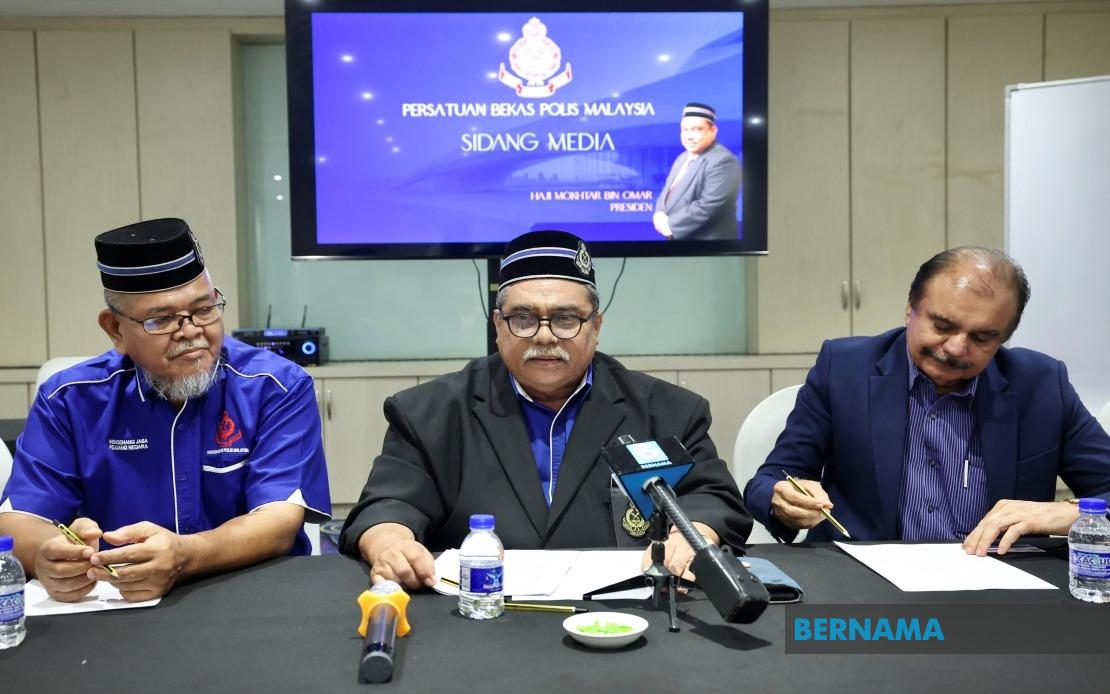
The Malaysian Ex-Police Association (PBPM) has made a formal appeal to the government to establish a monthly cost-of-living allowance programme for former police personnel who did not qualify for standard pension schemes, citing their decades of service and current economic hardship. The organisation, which represents nearly 86,000 registered members, argues that those who served in historically challenging circumstances deserve ongoing recognition and practical support during their retirement years. The appeal represents a significant push for greater recognition of a demographic often overlooked in discussions about national veterans' welfare.
According to PBPM president Mokhtar Omar, organisational records spanning back to 1972 indicate that approximately 40,000 members fall into the non-pensionable category. This substantial cohort includes individuals who served in specialised roles such as the Special Squad, the Home Guard, and as contract inspectors throughout the Emergency period. Many of these former officers spent formative years in roles that were essential to maintaining order and security during a turbulent chapter in Malaysia's history, yet they concluded their careers without access to the pension protections afforded to their colleagues in other service categories.
The financial circumstances facing these former personnel have become increasingly precarious as living costs escalate across Malaysia. Without regular employment income or pension cheques, many have slipped into vulnerable economic positions. Mokhtar emphasised that this demographic merits urgent government attention, particularly given their dwindling numbers. He noted that the state would not face excessive budgetary strain by extending welfare assistance to what is now a relatively modest-sized group, especially when weighed against their historical contributions to national stability and security.
During remarks made at a press conference in Kuala Lumpur on August 13, Mokhtar articulated the moral dimension of the PBPM's case. The former police officers in question served during the Emergency, a period when their work directly contributed to safeguarding the nation's security infrastructure and territorial integrity. He underscored that as their numbers continue to diminish, the window for government action narrows. The association views targeted assistance not as a handout but as a debt of gratitude toward those who put themselves in harm's way during a critical historical moment.
The PBPM has proposed a specific framework for assistance, suggesting a monthly special allowance ranging between RM300 and RM500 for eligible recipients. This modest figure reflects both the financial reality facing these pensioners and a pragmatic assessment of what government budgets might accommodate. The proposed amount would provide meaningful relief without representing an enormous fiscal commitment, particularly when distributed across the 40,000-member pool. The association views this as a realistic and achievable starting point for broader discussions with policymakers.
Beyond the immediate allowance proposal, the PBPM has called for a comprehensive review of the Police Heritage Trust Fund (TAWP), the existing mechanism through which police welfare support is distributed. The association argues that current assistance rates are insufficient and that the fund's scope should be substantially expanded. They envision a more holistic approach that encompasses not only basic living expenses but also educational assistance for members' dependents, healthcare coverage, and emergency relief during natural disasters or personal crises. Such expansion would transform the fund from a minimal safety net into a genuinely comprehensive welfare programme.
Recognising that government action alone may not resolve the situation quickly, the PBPM is pursuing independent fundraising strategies to bridge the gap. Datuk Dr Basant Singh Sidhu, the association's Information Chief, announced plans for an October fundraising dinner specifically designed to mobilise corporate and private-sector support. The event targets RM1 million in contributions, reflecting an ambitious but purposeful approach to addressing immediate welfare needs while advocacy efforts continue.
The fundraising initiative demonstrates pragmatism on the part of the PBPM leadership. Rather than waiting passively for government intervention, the organisation is taking concrete steps to assist members in crisis situations. Proceeds from the dinner will fund the provision of essential items and services that often fall outside government programmes—medical equipment, wheelchairs, nutritional supplements, hearing aids, and other quality-of-life necessities. This direct-action approach acknowledges both the urgency of members' needs and the limitations of formal bureaucratic processes.
The PBPM's campaign touches on broader questions about how Malaysia honours its security sector personnel and how obligations to those who served during high-risk periods are calculated and fulfilled. Unlike neighbouring countries that have established more comprehensive veteran support systems, Malaysia's approach has historically been fragmented, with different service categories receiving vastly different treatment. Non-pensionable personnel occupy a particularly disadvantaged position, having contributed during their working years without securing the security that pensions provide.
For Malaysian policymakers, the PBPM's appeal presents a test of the government's commitment to social protection and veteran affairs. The relatively modest scale of the proposed programme—40,000 beneficiaries receiving RM300-500 monthly—makes it financially achievable without destabilising public finances. The moral case is strengthened by the historical nature of the service rendered and the vulnerability of an ageing population facing inflation and rising healthcare costs without employment income.
The issue also carries implications for broader Southeast Asian security policy discussions. As regional governments grapple with security challenges and veterans' affairs, Malaysia's response to the PBPM's appeal will likely influence how neighbouring countries frame their own obligations to retired security personnel. A comprehensive approach could set a regional standard, while inaction might suggest limited commitment to those whose sacrifice is deemed insufficiently pensionable by bureaucratic classification.
As the PBPM pursues both official advocacy and independent fundraising, the coming months will reveal whether the government recognises the moral and practical case for action. The association's measured approach—proposing specific figures, identifying a funding mechanism, and demonstrating alternative initiatives—suggests a serious determination to secure meaningful improvements in the lives of 40,000 former officers whose contributions to national security have thus far gone largely unrewarded in concrete material terms.

