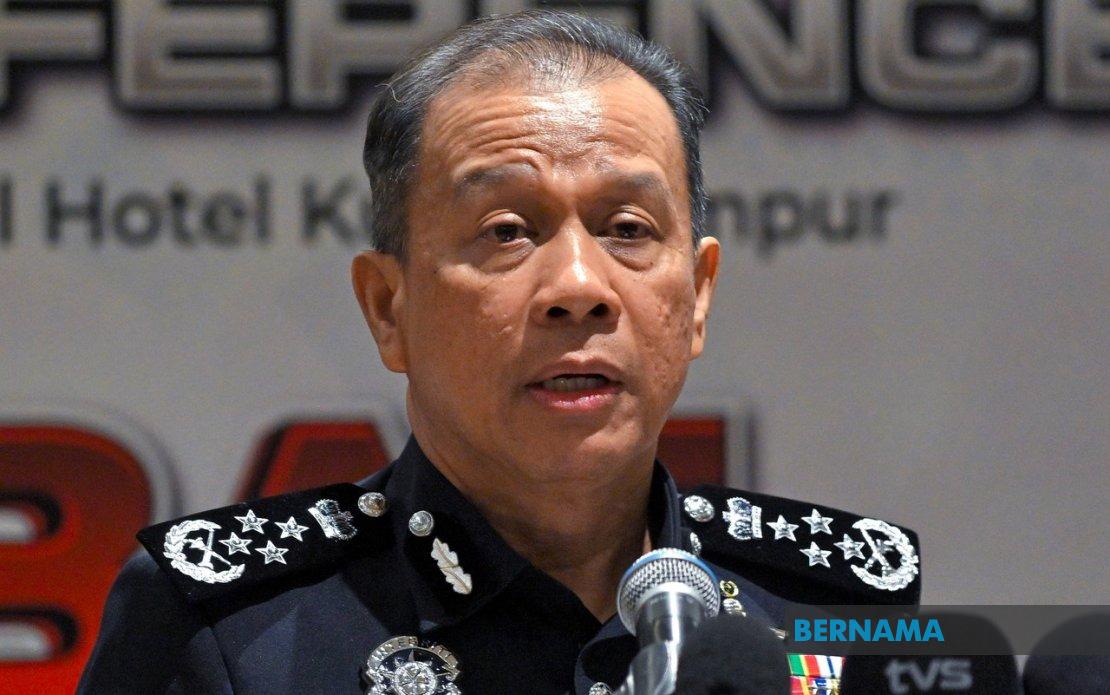
The Royal Malaysia Police force is moving to embed uniformed officers directly into aviation security operations at the nation's airports, marking a significant shift in how Malaysia's aviation infrastructure is protected. The decision, greenlighted by the Cabinet and announced by the MADANI government, represents an attempt to close what officials view as vulnerabilities in the current security architecture that could be exploited for criminal purposes.
Inspector-General of Police Tan Sri Mohd Khalid Ismail confirmed PDRM's commitment to the arrangement, which will involve the police working alongside the Home Ministry, Transport Ministry, and other relevant agencies to establish the operational framework. Rather than a hastily assembled intervention, the implementation will require careful coordination across multiple government bodies to ensure seamless integration with existing airport procedures and personnel.
The catalyst for this decision stems from the high-profile detention of a Malaysian pilot by Indonesian authorities on suspicion of attempting to smuggle narcotics. The incident exposed potential gaps in how aviation personnel and facilities could be misused for illicit activities, prompting Malaysia's leadership to adopt a more assertive security posture. This development reflects growing regional concerns about the exploitation of aviation channels for drug trafficking and other transnational crimes affecting Southeast Asia.
According to the police chief, the expanded role encompasses several critical areas that require detailed planning. These include defining the exact scope of officers' duties, determining their placement across different airport zones, calculating staffing requirements, clarifying jurisdictional boundaries, and establishing clear communication protocols between police units and existing AVSEC personnel. The operational complexity underscores that such integration cannot proceed without substantial groundwork involving multiple stakeholders.
Police involvement in aviation security is expected to enhance intelligence gathering and information-sharing capabilities across agencies. The deployment strategy assumes that having law enforcement personnel embedded within security operations will enable faster detection of suspicious patterns, more coordinated enforcement responses, and quicker intervention against potential threats. This layered approach theoretically strengthens the entire ecosystem by combining traditional security screening with active law enforcement presence.
The comprehensive framework being developed extends beyond simply adding police officers to security checkpoints. Officials envision a multi-dimensional security system that incorporates strengthened access controls, enhanced screening protocols, more rigorous security assessments, sophisticated risk evaluation mechanisms, and coordinated action among all airport stakeholders. The intention is to create redundancies and overlapping safeguards that make it significantly harder for organised criminal networks to move contraband or people through aviation channels.
Malaysia's commitment to this integrated approach reflects broader anxieties about aviation security in the region. Drug smuggling operations frequently exploit airports in Southeast Asia, using personnel with legitimate access to transport narcotics across borders. A pilot carrying drugs represents a particularly dangerous scenario because it combines insider knowledge of procedures with the ability to move between jurisdictions. By introducing police oversight, Malaysia aims to deter such exploitation and catch attempts before contraband reaches aircraft.
Inspector-General Mohd Khalid emphasised that flight safety and border security remain paramount considerations in this reconfiguration. The deployment is explicitly framed not as an emergency measure but as a deliberate strengthening of capabilities that will protect both passengers and national security interests. Officials assert that any attempt to weaponise the aviation industry for criminal enterprise will be firmly countered through this enhanced framework.
The timing of this announcement also signals Malaysia's broader pivot toward preventive security strategies. Rather than responding reactively to individual incidents, the police integration aims to establish conditions that discourage criminal attempts in the first place. Intelligence-based security controls, if properly implemented, can theoretically disrupt smuggling operations before they reach airports, while embedded police presence increases certainty of detection for those who attempt to proceed.
For Malaysian travelers and the aviation industry, the deployment raises practical questions about passenger flow, screening times, and the visible security environment at airports. While officials frame the measures as necessary, the actual implementation will determine whether enhanced security translates to significantly longer processing times or whether agencies can absorb police personnel without disrupting operations. This balance between security and convenience will be crucial for public acceptance.
Regionally, Malaysia's approach may influence how other Southeast Asian nations structure their airport security frameworks. Countries across the region face similar pressures from transnational drug networks and have experimented with various inter-agency coordination models. Malaysia's police integration experiment will be watched as a potential template for addressing aviation security vulnerabilities that transcend national borders and require sustained cooperation among multiple institutions and countries.
The success of this initiative ultimately depends on effective coordination, adequate resource allocation, and sustained political commitment. The Cabinet approval and police force's readiness suggest institutional buy-in, but translating policy into consistent, high-quality operational execution remains a distinct challenge. How thoroughly agencies clarify roles, establish communication channels, and train personnel will determine whether embedded police presence meaningfully reduces aviation-related criminal activity or simply adds complexity without commensurate security gains.

