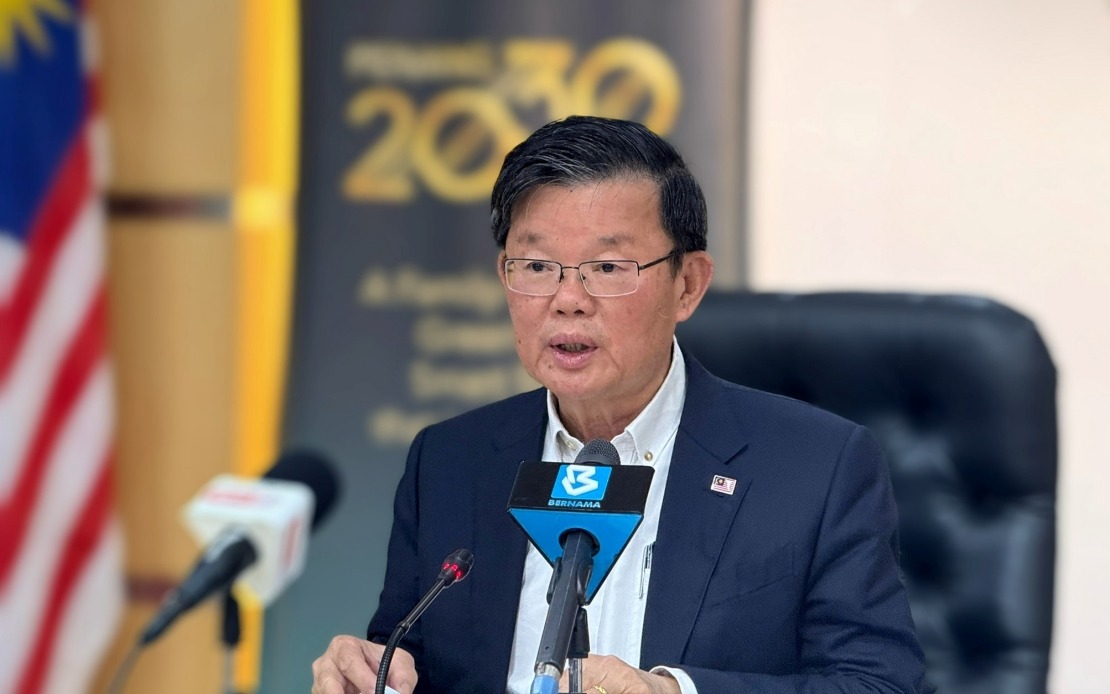
Penang's Pakatan Harapan leadership has embarked on a systematic overhaul of its electoral machinery ahead of the next general election, with all party subcommittees directed to convene and submit progress assessments during early August. The strategic initiative, announced by coalition chairman and Penang Chief Minister Chow Kon Yeow at Komtar on July 15, represents a disciplined approach to identifying organisational gaps and refining campaign methodologies across the state apparatus.
The undertaking extends beyond routine administrative reporting, encompassing a thorough evaluation of the coalition's performance trajectory since its commanding victory in the 2023 Penang state election. Through this structured review process, PH intends to diagnose vulnerabilities in its outreach, messaging, and grassroots engagement while simultaneously capitalising on demonstrated electoral strengths that secured the coalition's dominance across Penang constituencies.
Chow's emphasis on welcoming external perspectives and constructive criticism signals a deliberate shift toward institutional humility within PH's upper echelon. Rather than adopting a defensive posture following electoral success, the coalition is positioning itself to absorb feedback from diverse stakeholders—party members, community leaders, and civic organisations—to prevent the complacency that frequently undermines long-ruling coalitions across Southeast Asia.
The strategic recalibration carries particular significance given Malaysia's evolving political landscape, where voter preferences have become increasingly volatile and coalition alignments subject to rapid realignment. By institutionalising a regular review cycle that captures ground-level intelligence from subcommittees, Penang PH seeks to maintain responsiveness to constituency concerns and demographic shifts that could otherwise erode its electoral base during the next general election campaign.
Concomitantly, Chow's assurances regarding the stability of Penang's Unity Government provide crucial reassurance to coalition partners and investor communities watching the state's governance trajectory. The explicitly stated absence of tensions between DAP, PKR, Amanah, and BN component parties—despite the inherent complexities of managing ideologically diverse partners within a single administrative framework—underscores the pragmatic maturity demonstrated by Penang's political leadership.
The 2023 election results that undergird this stability merit contextualisation for Malaysian observers. Pakatan Harapan's capture of 29 of 40 contested seats, anchored by DAP's flawless performance across all 19 constituencies it contested, established an extraordinarily strong mandate. PKR's seven additional seats and Amanah's solitary success provided comfortable parliamentary cushioning, whilst BN's two seats ensured broad-based representation within the governing coalition. This geometric configuration has translated into sustainable governance without the precarious arithmetic that destabilises coalitions in other Malaysian states.
The deliberate maintenance of status quo arrangements, as emphasised by Chow's statement that no party is pursuing new directional initiatives, reflects institutional wisdom. In Malaysian politics, premature jockeying for positional advantage or resource redistribution within governing coalitions frequently precipitates the fractious dynamics that trigger coalitional collapse. By establishing explicit boundaries on intra-coalition contestation, Penang's leadership is constructing guardrails against the institutional decay that has characterised Unity Government arrangements elsewhere.
For Penang's business community and civil society organisations, this dual trajectory—enhanced electoral preparation coupled with demonstrable governmental stability—creates a favourable operating environment. State-level governance stability attracts sustained foreign direct investment, facilitates long-term infrastructure planning, and enables the consistent policy implementation necessary for economic development. The coalition's commitment to strengthen strategic advantages rather than pursue high-risk organisational experimentation suggests continuity in these areas.
The timing of the subcommittee reporting cycle carries strategic implications beyond routine administrative scheduling. By mandating comprehensive progress assessments in early August, PH allows sufficient lead time for tactical adjustments before the latter half of the year intensifies toward the eventual general election announcement. This phased approach contrasts with crisis-driven reorganisations that characterise poorly-managed political transitions elsewhere in the region.
For opposition parties observing from the sidelines, Penang PH's proactive institutional strengthening presents a formidable challenge. The coalition's willingness to scrutinise its own performance and reorganise strategically suggests competitive vigilance and organisational vitality that oppositional competitors must directly address through their own enhanced capabilities and message refinement.
The broader Malaysian political ecosystem will likely view Penang's methodical preparation with considerable interest. As the nation's singular state where PH governs with commanding supermajority support, Penang functions as both laboratory and showcase for coalition governance models. The sustainability of its arrangements and the efficacy of its strategic renewal efforts will inevitably influence how other political actors conceptualise coalition management and electoral competition throughout the federation.
Ultimately, Chow's announcements reflect a political leadership class sufficiently secure in its foundational mandate to undertake honest institutional self-assessment without perceived weakness. This measured confidence, combined with demonstrated inter-coalition restraint, positions Penang as a counterweight to the fractious political atmosphere characterising other Malaysian jurisdictions where unstable governing arrangements and volatile inter-coalition relations dominate headlines.

