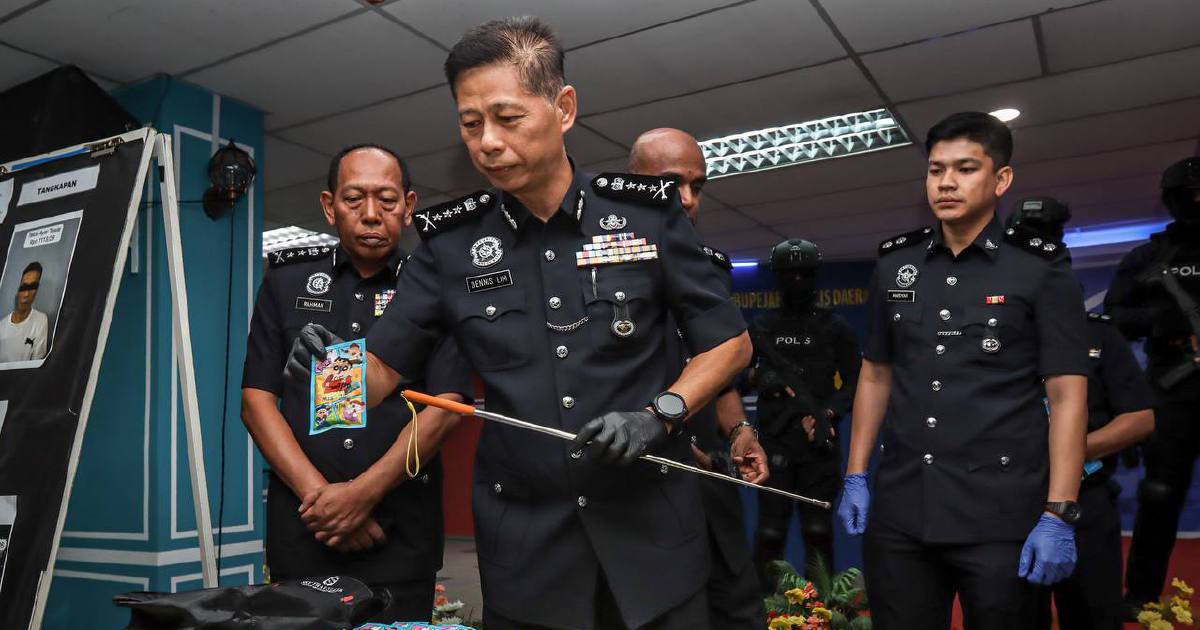
Penang police have dismantled a significant drug trafficking operation following a targeted raid that yielded 3.1 kilograms of MDMA—commonly known as ecstasy—during enforcement activities at Teluk Air Tawar on Sunday. The seizure, valued at approximately RM470,000, represents a substantial blow against organised drug distribution networks operating in the northern region and underscores the ongoing battle against illicit narcotics that continue to threaten communities across Peninsular Malaysia.
The raid exemplifies the sustained commitment of Penang's law enforcement apparatus to dismantle drug supply chains before contraband reaches street-level distributors and consumers. Such operations require extensive intelligence-gathering and coordination among various enforcement units, reflecting the sophisticated nature of modern narcotics trafficking. The successful interception of such a large quantity in a single operation demonstrates the effectiveness of targeted strategies when police intelligence networks operate efficiently and respond swiftly to actionable information about suspected drug activities.
Ecstasy remains a particularly concerning substance within Malaysia's drug landscape, given its appeal to younger demographics and its role within the party and entertainment scene across urban centres like Penang, Kuala Lumpur, and other metropolitan areas. The manufacturing and distribution of MDMA, which is a controlled substance under Malaysia's Dangerous Drugs Act, carries severe legal penalties including substantial imprisonment and potential capital punishment depending on quantity thresholds and trafficking intent. The RM470,000 market valuation of this seizure reflects the substantial profits that criminal syndicates generate from a relatively compact and easily concealable product.
Penang, strategically positioned as a major international port and gateway to Southeast Asia, has historically served as a transit point for narcotics trafficking destined for both domestic consumption and onward distribution throughout the region. The port's geographical significance, combined with its cosmopolitan character and tourism infrastructure, creates conditions that organised crime groups exploit for laundering proceeds and establishing distribution networks. Previous enforcement operations have consistently revealed that Penang remains a critical node within transnational drug trafficking routes involving synthetic drugs manufactured in clandestine laboratories across the border in Thailand and other Southeast Asian sources.
The detention of a suspect following the Teluk Air Tawar operation initiates a investigative process that typically involves interrogation to establish the full scope of the trafficking network, including upstream suppliers and downstream distribution chains. Law enforcement agencies will seek to determine whether the individual operated independently or formed part of a larger criminal organisation, with particular focus on identifying financial backers, laboratory connections, and retail distribution networks. Such investigations frequently extend beyond the apprehended individual, potentially leading to additional arrests as authorities work systematically to dismantle entire operations rather than simply addressing symptoms of drug distribution.
Penang's police force has intensified anti-narcotics operations in recent years, responding to documented increases in synthetic drug consumption across the island and mainland portions of the state. Community concerns regarding drug-related crimes, including the trafficking operations themselves and associated violence, theft, and property crimes committed by users to finance addiction, have prompted enhanced resource allocation to drug enforcement divisions. The specialised training and technical capabilities required to identify, intercept, and secure evidence in complex drug cases have become increasingly important as criminal organisations employ more sophisticated smuggling techniques and distribution methods.
The Dangerous Drugs Act establishes severe consequences for drug trafficking, with sentencing guidelines structured according to the quantity of narcotics involved. Possession with intent to traffic quantities exceeding specified thresholds can attract capital punishment, creating a deterrent framework intended to dissuade involvement in commercial drug distribution. However, the substantial profitability of illicit narcotics—where wholesale prices may represent only a fraction of street-level retail valuations—continues to incentivise criminal participation despite legal risks.
This seizure arrives amid broader regional concerns about the trafficking of synthetic drugs throughout Southeast Asia, where rising demand, particularly among youth in urban populations, has created expanding market opportunities for criminal enterprises. Malaysia's position within shipping and logistics networks, combined with its domestic market consumption, makes the country simultaneously a transit nation and destination market. Organised crime syndicates operating at transnational scales exploit regulatory differences, corruption vulnerabilities, and porous land and maritime borders to move products efficiently while minimising enforcement exposure.
The investigation phase following the Teluk Air Tawar raid will prove critical in establishing prosecution cases and potentially triggering secondary enforcement actions against co-conspirators and customers. Forensic analysis of the confiscated material, financial investigations examining money flows associated with the distribution operation, and witness interviews will construct the evidentiary foundation for court proceedings. The outcome of these cases influences sentencing guidelines and precedent, shaping enforcement strategy and criminal consequences across subsequent prosecutions.
Community education initiatives, combined with law enforcement operations like the Teluk Air Tawar raid, represent complementary approaches to addressing drug challenges within Penang and throughout Malaysia. Prevention programmes targeting youth, treatment and rehabilitation facilities for dependent users, and economic development initiatives addressing root causes of drug distribution employment all feature within comprehensive drug control strategies. However, enforcement operations remain essential components of these multi-faceted approaches, disrupting supply chains and imposing consequences that raise the cost and risk of trafficking operations relative to legitimate commercial alternatives.

