Penang's school system stands ready to transition students to home-based learning if air quality in the state deteriorates to dangerous levels, with education officials establishing comprehensive monitoring protocols to protect young learners from hazardous pollution. The decision by the Penang Education Department (JPNPP) to implement PdPR (Pembelajaran dari Rumah) once the Air Pollutant Index reaches 200 represents a coordinated response developed alongside the Ministry of Education, Ministry of Health, and the National Disaster Management Agency to safeguard student welfare during seasonal haze episodes.
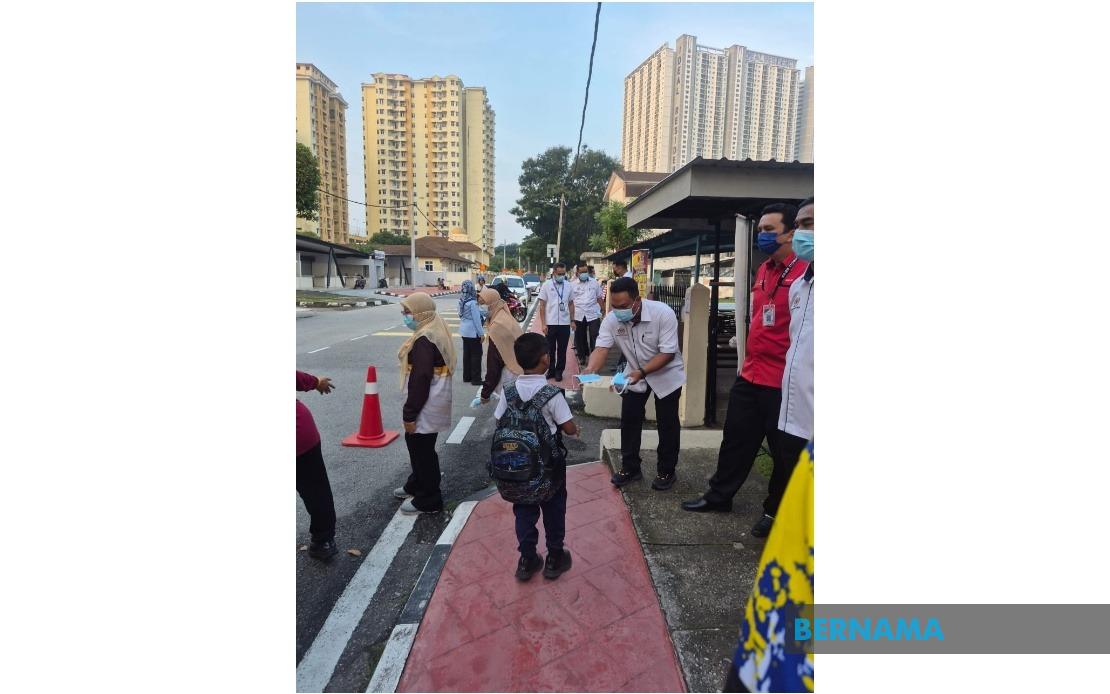
Director Mohamad Dziauddin Mat Saad outlined the department's proactive stance during a visit to assess preparedness at a local primary school, emphasizing that the system would not delay notifications to schools when conditions warrant suspension of regular classes. This commitment reflects growing awareness across Malaysia's education sector that air quality crises demand swift institutional response, particularly given Penang's geographical exposure to regional transboundary haze events. The 200 API threshold aligns with Ministry guidelines identifying significant health risks that necessitate protective measures for vulnerable populations, particularly children with existing respiratory conditions.
The JPNPP has established a dedicated operations centre since mid-August to maintain continuous surveillance of atmospheric conditions across Penang's major population zones. Four strategically positioned API monitoring stations at Minden, Balik Pulau, Seberang Jaya, and Perai provide the department with real-time data on air quality variations across the state's geography. By collecting readings during evening hours—either 6 pm or 8 pm the preceding day—officials gain sufficient advance notice to prepare schools and communicate decisions through district education offices before the following school day begins, ensuring orderly transitions rather than chaotic last-minute cancellations.
The monitoring architecture reflects lessons learned from previous haze seasons when poor coordination led to confusion among parents and educational institutions. District education offices serve as intermediaries, receiving centralized guidance from JPNPP and then cascading information to individual schools, creating a chain of command that reduces misunderstandings and ensures consistency in implementation across Penang's education network. This structured approach proves particularly important in a state with diverse geography, where air quality can vary significantly between coastal areas, industrial zones, and suburban communities, making localized decision-making essential.
Parental concerns about educational continuity and student safety represent a central consideration for the department's planning. Mohamad Dziauddin sought to reassure families that comprehensive protocols are in place, with particular attention to protecting children susceptible to respiratory complications from exacerbated air pollution. Schools have been advised to encourage early preparation by vulnerable students, potentially including advance distribution of learning materials and clarification of remote participation procedures, reducing anxiety when haze episodes occur. The emphasis on proactive communication aims to foster confidence that institutional systems prioritize community health over administrative convenience.
The timing of these preparations assumes heightened significance given two major sporting events scheduled for late August involving Penang venues and participants. The Malaysia Schools Sports Council Football Championship and the 15th Malaysian Scout Jamboree represent significant commitments attracting thousands of young people and international delegations, creating complex scenarios where air quality deterioration could disrupt events involving athletes and scouts from multiple nations. Officials recognize that cancellations or postponements would carry diplomatic and organizational implications extending beyond Penang's immediate education system.
Contingency planning for the MSSM Football Championship demonstrates pragmatic flexibility in addressing potential haze impacts without automatically resorting to outright cancellation. Proposed modifications to match schedules based on intra-day API fluctuations reflect understanding that morning hours frequently offer better air quality conditions than afternoon periods during haze episodes. This approach allows competitions to proceed while accommodating health considerations, exemplifying how institutions can balance multiple objectives rather than adopting rigid either-or positions when environmental conditions create uncertainties.
The Malaysian Scout Jamboree presents a more complex scenario given its multi-day format, international composition, and high-profile nature, with Prime Minister Datuk Seri Anwar Ibrahim scheduled to officiate opening ceremonies on August 29. The national scouting organization has established parallel monitoring mechanisms and operations facilities, indicating recognition that air quality management requires dedicated attention throughout the event. Coordination between education authorities and scouting bodies demonstrates how multiple institutions with overlapping youth constituencies align their contingency planning, reducing likelihood of contradictory decisions that might confuse participants.
The international dimension of these events carries particular significance for Malaysia's regional reputation. Hosting over 450 scouts from eleven countries including South Korea, Indonesia, Singapore, and Sri Lanka means that how effectively the country manages environmental challenges sends signals about institutional capacity and commitment to participant welfare. Significant disruptions attributable to inadequate air quality management could undermine the nation's standing as a reliable organizer of international events, creating incentives for comprehensive preparation rather than reactive responses after problems materialize.
For Malaysian education authorities more broadly, Penang's systematic approach to haze preparedness offers a model with transferable elements. The combination of dedicated monitoring infrastructure, clear decision thresholds, advance notification procedures, and contingency planning for major events represents institutional maturity in addressing recurring environmental challenges. As other states throughout Malaysia and Southeast Asia face increasingly severe seasonal air quality episodes, the integration of health safety protocols with educational operations demonstrates how metropolitan systems can adapt traditional learning models without abandoning educational quality or institutional stability.
The PdPR framework itself has matured considerably since the COVID-19 pandemic forced rapid digitalization of remote learning, with schools and families now possessing established procedures for transitioning between classroom and home-based instruction. This institutional memory proves advantageous when haze-related circumstances necessitate temporary shifts in delivery methods, eliminating the learning curve that characterized emergency distance learning during the pandemic. Teachers, students, and parents understand expectations, technology requirements, and pedagogical approaches, reducing friction when environmental circumstances activate contingency protocols.
Looking forward, the success of Penang's haze response system depends partly on consistent implementation and transparent communication when API readings approach critical thresholds. The early establishment of the monitoring war room and public articulation of decision-making criteria signal administrative seriousness, yet actual performance during episodes will ultimately determine whether systems function as designed or whether familiar patterns of miscommunication and delayed action resurface. Malaysian residents in Penang and other haze-prone regions can reasonably expect their education authorities to execute the protocols outlined, holding institutions accountable through demonstrated institutional competence rather than mere procedural rhetoric.

