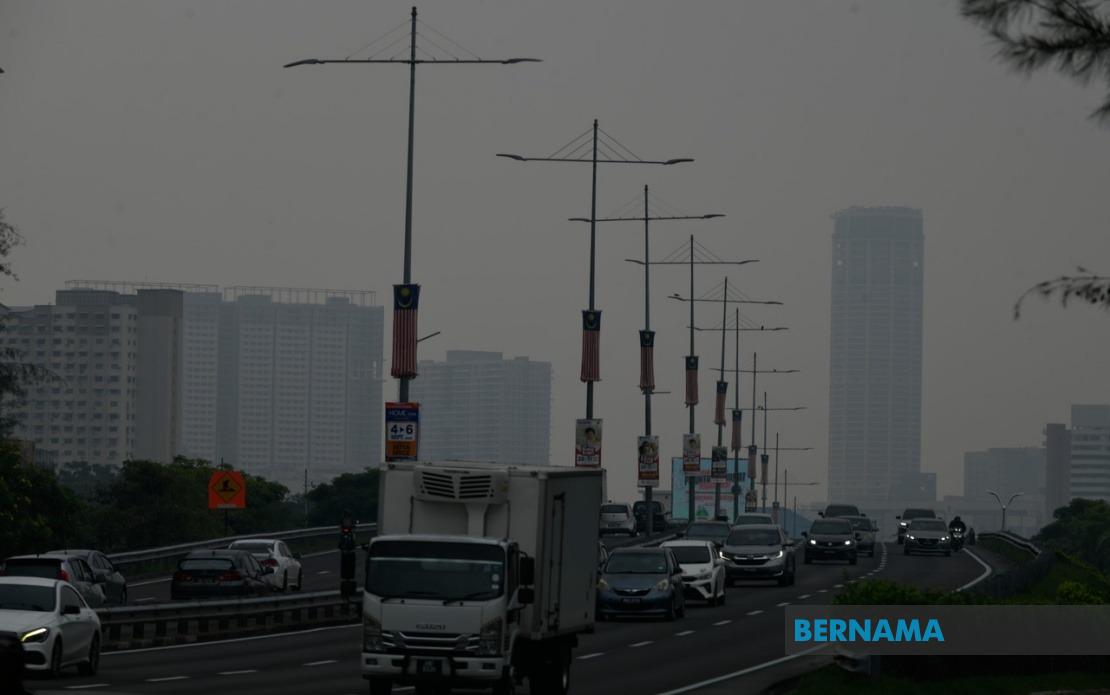
The Penang Education Department has mobilized schools across the state to strengthen their readiness protocols in response to deteriorating air quality conditions, directing district offices and individual institutions to prioritize the health and protection of students and staff during periods of poor air quality. This sweeping directive reflects growing concern about the impact of seasonal haze on the state's educational system, with authorities establishing clear operational guidelines tied to specific pollution metrics.
At the heart of the departmental response lies a tiered system linked to Air Pollutant Index readings, creating measurable thresholds that determine what actions schools must implement. The framework reflects an understanding that haze severity varies and requires proportionate responses rather than blanket measures. Officials within the education sector are now tasked with continuous monitoring of API levels across Penang's different zones, ensuring that schools remain informed of real-time conditions and can respond swiftly when pollution reaches concerning levels.
Under the guidelines issued, schools must immediately suspend all outdoor activities once API readings climb beyond 100, a threshold that indicates degraded air quality affecting vulnerable populations. This suspension encompasses sports activities, outdoor lessons, and recreational programmes—essentially confining educational and physical activities indoors until conditions improve. The threshold represents a precautionary approach, acknowledging that even moderately elevated pollution levels pose cumulative health risks over extended periods, particularly for children whose lungs are still developing.
The directive escalates further when API readings surpass 200, at which point schools must close entirely and send students home. This more stringent measure reflects international best practices and recognition that at this pollution level, even indoor facilities cannot adequately protect occupants from the health impacts of haze. The closure protocol ensures that children remain in their homes where indoor air quality can be better managed through filtration and closed windows.
In extraordinary circumstances where API readings exceed 500—a hazardous level rarely recorded but theoretically possible during severe transboundary haze events—the guidelines exempt both educators and administrative staff from reporting to school. This provision acknowledges that extreme pollution poses significant risks even for adults and recognizes that maintaining normal operations becomes logistically and ethically untenable at such severity levels.
Beyond operational closures, the Penang Education Department has emphasized health-centered measures that schools must actively implement. Ensuring adequate drinking water availability throughout school premises represents a foundational requirement, as hydration becomes increasingly important when students face air quality challenges. Schools are additionally encouraged to promote regular water consumption among students, recognizing that proper hydration supports respiratory health and helps mitigate some physiological effects of air pollution exposure.
Special attention must be directed toward vulnerable student populations, including those with pre-existing respiratory conditions, asthma, or other health complications that could be exacerbated by poor air quality. Schools are instructed to monitor these students closely, watching for symptom manifestation or health deterioration. The guidelines also recommend the judicious use of face masks among students and staff when conditions warrant such protective measures, striking a balance between protection and ensuring educational continuity.
The state's school network has been tasked with maintaining comprehensive reporting channels to district offices and the state education department, creating a coordinated information flow that enables real-time understanding of haze impacts across different regions. This reporting requirement serves dual purposes: it allows administrators to identify emerging health issues or operational challenges requiring intervention, and it facilitates evidence-based decision-making at the state level regarding broader policy responses.
The directive emerges against a backdrop of worsening air quality affecting multiple regions. As of August 25, unhealthy API readings were recorded across 29 areas nationwide, with several in Penang including Minden, Seberang Perai, and Balik Pulau experiencing particularly poor conditions. This distribution pattern underscores the widespread nature of the haze phenomenon and its capacity to disrupt normal activities across densely populated areas.
For Malaysia's education sector, which has grappled with recurring seasonal haze episodes, these protocols represent institutional learning and increasing sophistication in managing air quality crises. Penang's approach demonstrates how education authorities can balance operational continuity with genuine health protection, using objective metrics rather than political pressure to guide closure decisions. The framework also sets a potential model for other states encountering similar challenges, suggesting how systematic, science-based protocols can replace ad hoc decision-making during environmental emergencies.
The wider implications extend beyond schools themselves. As regional economies become more exposed to transboundary air pollution—driven partly by agricultural practices in neighboring areas—institutional preparedness becomes economically significant. Chronic educational disruptions affect learning outcomes and productivity pipelines. The Penang protocols acknowledge this reality while prioritizing immediate health concerns, reflecting a mature approach to managing environmental challenges within constrained economic and social contexts that increasingly characterize Southeast Asia.

