The Perak state government has greenlit a RM250,000 initiative to repair and enhance road infrastructure across five indigenous villages in the Sungai Siput parliamentary constituency, marking a targeted intervention into long-standing infrastructure challenges affecting Orang Asli communities in the district.
Loh Sze Yee, the state's Tourism, Industry, Investment and Corridor Development Committee chairman, confirmed the special allocation was secured through direct approval from the Perak Menteri Besar's Office. The five villages designated for this upgrading programme are Kampung Lawai, Kampung Pisang, Kampung Langkor, Kampung Landap and Kampung Asap. According to Loh, the project is currently in its documentation and tender preparation phases, with officials targeting full completion of all infrastructure works before the calendar year concludes.
The decision to invest in these road upgrades stems from persistent infrastructure deterioration that residents have endured over an extended period. Loh attributed the recurring damage to a combination of environmental factors and geological concerns, particularly weather-related wear and land subsidence issues that have rendered many stretches hazardous and poorly maintained. For rural indigenous communities, such infrastructure deficiencies create cascading problems affecting access to healthcare, education, economic opportunities and emergency services.
The timing of this allocation reflects broader state-level efforts to address developmental gaps in rural constituencies, particularly areas with significant indigenous populations. Sungai Siput, as a parliamentary seat encompassing both urban and rural demographics, has historically featured mixed development priorities. Road infrastructure in indigenous settlements has often been overlooked in earlier development cycles, making this dedicated allocation a departure from previous patterns of uneven resource distribution.
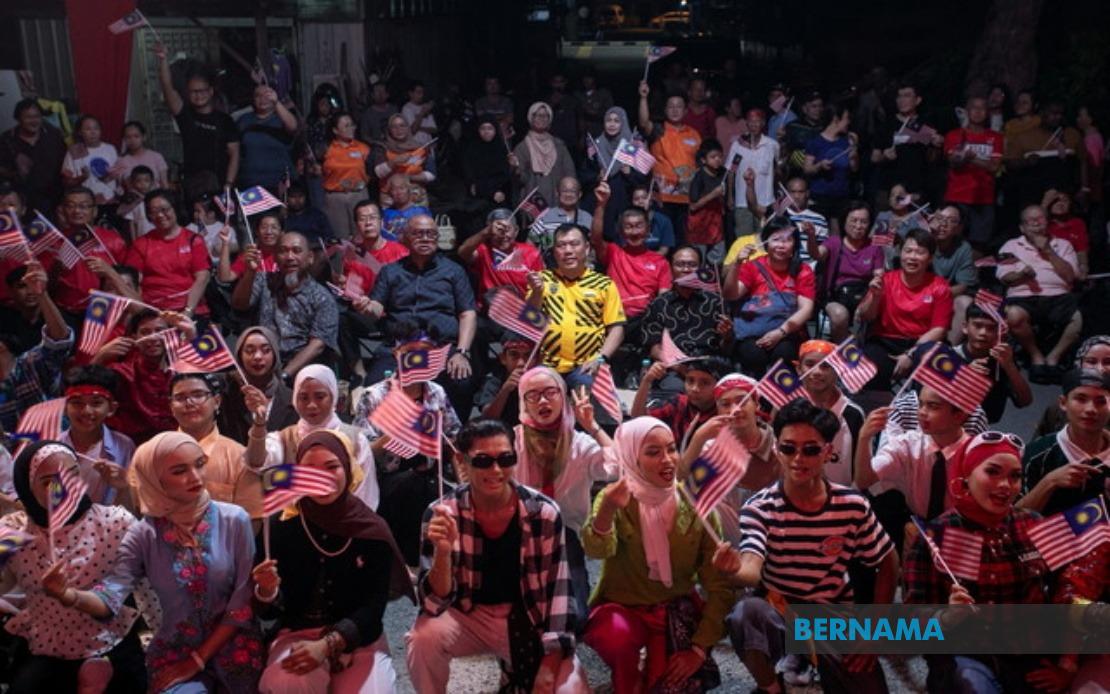
Loh revealed this commitment whilst officiating the Sungai Siput Heritage Music Vibes Festival, an event designed to commemorate Malaysia's cultural diversity whilst promoting tourism objectives. The three-day festival, which commenced on Friday and ran through August 23, anticipated drawing approximately 20,000 visitors from across Perak state. The event incorporated over 80 commercial sales booths alongside cultural programming intended to appeal to younger demographics whilst simultaneously preserving indigenous heritage.
The festival represents a hybrid cultural model, combining traditional performances with contemporary entertainment offerings such as fire shows. Programming was specifically designed to attract youth audiences who might otherwise disconnect from cultural traditions, whilst simultaneously using the festival platform to reinforce intercommunal understanding. This approach aligns with Visit Malaysia 2026 promotional objectives, which seek to position the nation as a culturally distinctive tourism destination.
Beyond immediate economic tourism benefits, the festival serves as a vehicle for National Month celebrations, which emphasize unity across Malaysia's multiethnic landscape. By pairing traditional cultural expressions with modern entertainment formats, organisers sought to demonstrate that heritage preservation and contemporary appeal need not exist in tension. For indigenous communities, such visibility at state-level cultural events can improve broader social recognition and economic participation.
The road infrastructure allocation, whilst substantial for village-level projects, reflects the modest scale of investment that Orang Asli communities typically receive relative to their development needs. RM250,000 distributed across five villages translates to RM50,000 per settlement, sufficient for meaningful road repairs but insufficient for comprehensive transportation system transformation. The allocation nonetheless signals heightened state-level attention to indigenous infrastructure deficits, potentially catalysing future investment cycles.
For Malaysian policymakers and regional development observers, the Perak initiative illustrates an emerging recognition that indigenous settlements require targeted infrastructure interventions distinct from standard municipal service models. Land subsidence and weather vulnerability affect rural infrastructure universally, yet indigenous communities frequently experience slower response times and smaller resource allocations. Direct state-level funding mechanisms, as demonstrated here, bypass bureaucratic layers that can delay project execution in dispersed rural areas.
The expected year-end completion timeline, if achieved, would establish a precedent for infrastructure delivery speed within indigenous settlement contexts. Perak's approach contrasts with protracted development cycles that have characterised previous initiatives across Southeast Asian indigenous territories, where planning, tender and execution phases commonly extend across multiple years. Successful on-time completion could encourage replication across other Malaysian states with significant Orang Asli populations.
Stakeholders including indigenous advocacy groups and rural development specialists have long documented how road deficiencies perpetuate economic marginalisation within Orang Asli communities. Poor road conditions restrict agricultural marketing opportunities, limit employment options beyond immediate locality boundaries, and reduce emergency service accessibility. Infrastructure rehabilitation thus addresses not merely physical hardship but underlying economic participation gaps that characterise many indigenous settlements across Malaysia.
The combined messaging around infrastructure investment and cultural festival promotion suggests state-level efforts to position indigenous communities as integral to Perak's development narrative rather than peripheral populations requiring occasional welfare interventions. Whether this rhetorical repositioning translates into sustained, multi-dimensional development support remains to be observed through subsequent funding allocations and policy implementations.

