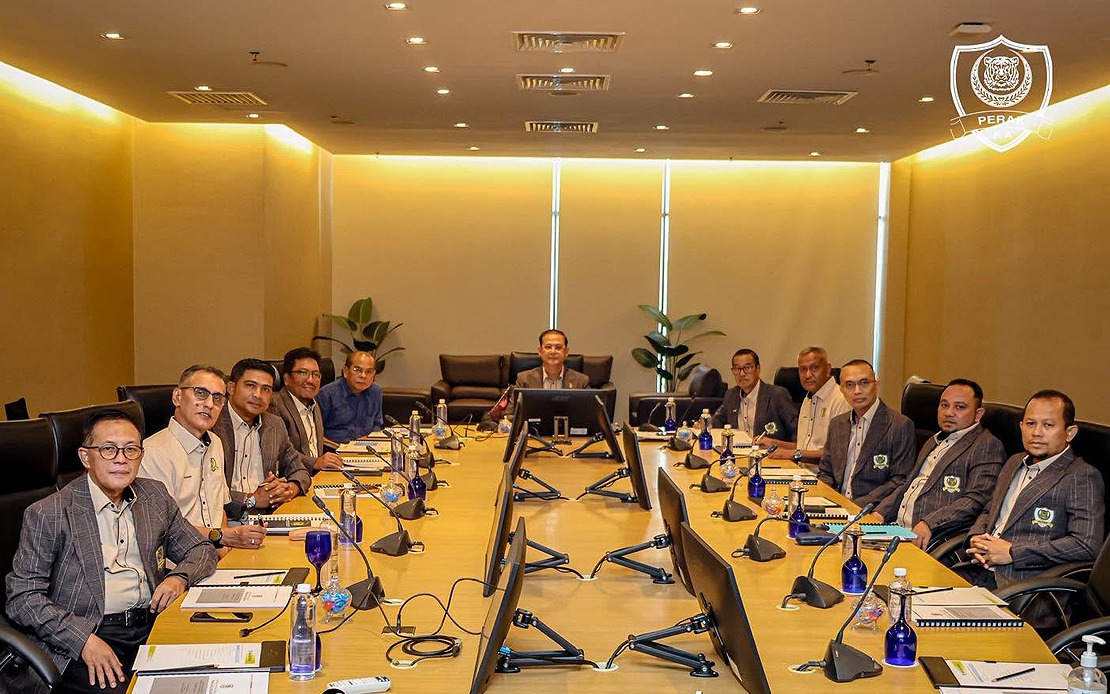
The Perak Football Association has commenced its search for a new head coach to steer the state team through the 2026-2027 Liga A1 Semi-Pro season, marking a significant structural shift in the organisation's technical hierarchy. The move comes in response to a fresh regulatory requirement imposed by the Amateur Football League, which now mandates that every competing team must employ a head coach holding an AFC Pro Diploma Coaching License (Pro-A). This licensing requirement represents a deliberate effort to elevate coaching standards across Malaysia's semi-professional football landscape and ensure consistency in technical guidance at the state level.
The appointment represents more than a routine change of personnel. PAFA has committed to recruiting a head coach who satisfies both the mandatory licensing criteria and brings demonstrable expertise in grassroots football development. The successful candidate will be expected to demonstrate familiarity with contemporary coaching methodologies and boast a credible resume spanning state, national, and potentially international football contexts. This profile indicates that PAFA is not simply filling a vacancy but actively seeking to inject new technical sophistication into its operational framework, particularly as the state continues to build its competitive infrastructure.
The search occurs against the backdrop of a respectable campaign under previous leadership. Syamsul Saad, a former player who transitioned into coaching, guided Perak to a fifth-place league finish in the preceding season while simultaneously steering the squad to the MFL Challenge Cup semifinals and the Malaysia Cup quarterfinals. These results demonstrated that Perak possessed sufficient technical capability to compete at meaningful levels, though the association evidently believes additional expertise and formal credentials are necessary to progress further and maintain competitive momentum in increasingly demanding competitions.
Peculiar to PAFA's approach is its commitment to preserving continuity within the broader coaching structure. Rather than implementing a wholesale replacement of technical staff, the association intends to retain existing coaching personnel alongside the newly appointed head coach. This strategy appears designed to leverage institutional knowledge while simultaneously upgrading the level of leadership and oversight. By creating a layered technical team, PAFA aims to strengthen the overall coaching apparatus without destabilising relationships or losing the tactical insights that previous staff members have accumulated through seasons of hands-on experience with Perak's playing group.
Player retention will also form a cornerstone of the upcoming campaign. PAFA has signalled its intention to offer fresh contracts to squad members who successfully navigated the association's performance evaluation process. This selective retention approach preserves the core of a functioning unit while maintaining the flexibility to introduce fresh talent or remove underperforming elements. The continuation of proven players provides continuity and reduces disruption during a period of technical transition, ensuring that the new coaching staff inherits a squad with established chemistry and understanding of the club's underlying tactical principles.
The broader developmental philosophy underpinning these decisions reflects Perak's ambitious multi-tiered talent pipeline. Beyond the Liga A1 Semi-Pro competition, Perak intends to participate in both the Liga A2 Amateur and the President's Cup during the upcoming campaign. This expanded portfolio of competitions serves a specific strategic purpose: it creates additional platforms through which emerging talent can gain competitive experience and visibility. By operating across multiple competitions, PAFA creates a wider funnel from which promising young players can progress, reducing the risk of overlooking talent and providing more frequent opportunities for development.
The talent development apparatus itself has demonstrated quantifiable returns. Through coordinated programming across the Malaysia Games, Liga A1 Semi-Pro, and the Liga Perak Sejahtera 2030 league, Perak has successfully developed approximately 70 players aged between 18 and 24 years. These figures suggest that the state's investment in grassroots infrastructure and age-appropriate competition has yielded measurable outcomes, creating a cohort of young footballers positioned to contribute at state and potentially national levels in coming seasons. This youth production capacity represents genuine competitive advantage if properly nurtured and managed through strategic deployment across multiple competition levels.
The appointment also carries implicit alignment with broader state development objectives. PAFA has framed the coaching recruitment and associated structural decisions within the context of the Perak Sejahtera 2030 Plan, the state government's long-term economic and social development strategy. By positioning football development as a component of this wider agenda, PAFA appears to be securing sustained political and administrative support for its operations. Menteri Besar Datuk Saarani Mohamad has received explicit acknowledgement for his continued backing, indicating that football enjoys sufficient political salience within the state's priorities to warrant ongoing resource allocation and promotional attention.
For Malaysian football observers, Perak's structural evolution reflects a broader pattern of professionalisation occurring within the semi-professional tier. As state associations increasingly adopt formal licensing requirements and multi-tier talent development systems, the gap between semi-professional and professional competitions continues narrowing. This upgrading of standards creates greater competitive intensity but also raises the quality of technical instruction available to younger players transitioning through various age groups. Perak's approach, while state-specific, demonstrates how regional bodies are responding to national regulatory mandates while simultaneously pursuing developmental ambitions that extend beyond immediate sporting outcomes to encompass long-term institutional capacity building and talent pipeline development.

