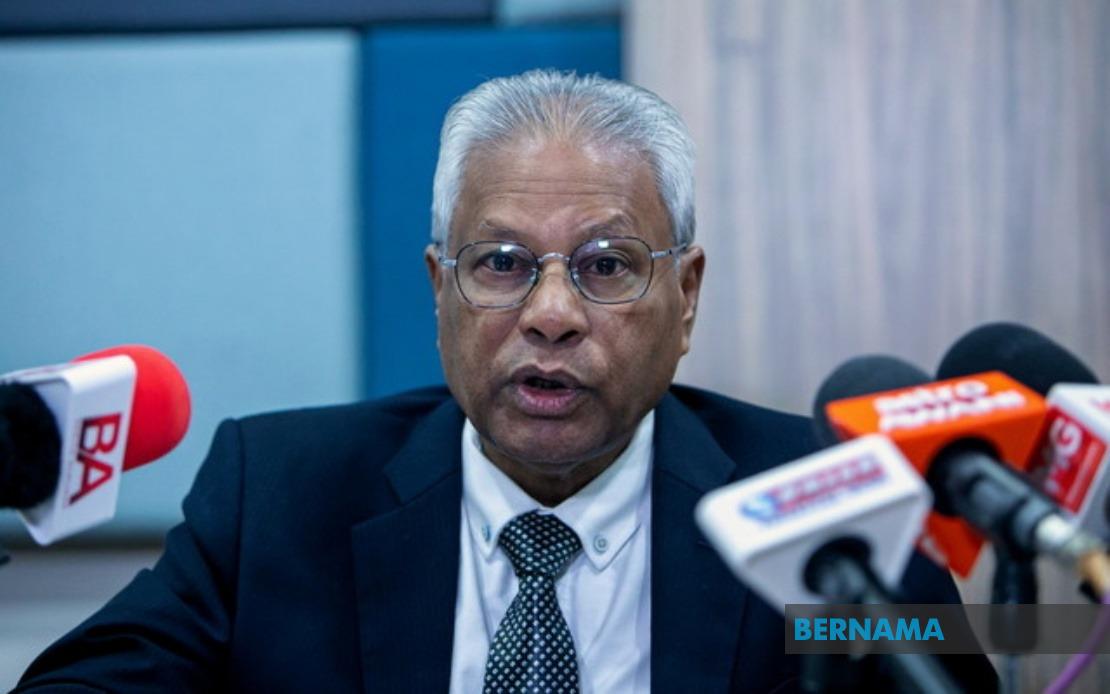
Perak State Health Department is activating surveillance protocols to track respiratory and eye conditions associated with haze pollution, according to Datuk A. Sivanesan, the state's Human Resources, Health, Indian Community Affairs and National Integration Committee chairman. The monitoring initiative leverages a network of sentinel health facilities—designated hospitals and clinics positioned across Perak—to detect emerging patterns in haze-linked diseases as several districts report moderate Air Pollution Index readings.
The surveillance system focuses on capturing cases of asthma, upper respiratory tract infections, and conjunctivitis presenting to clinics and community health centres. Notably, the monitoring extends to acute asthma episodes recorded in hospital emergency departments and ward admissions, providing health authorities with granular data on disease severity and population impact. This multi-tiered approach allows the Perak Health Department to establish baseline trends and detect any sudden surges in haze-related conditions before they become widespread public health crises.
While current air quality remains within moderate ranges, the state has prepared contingency measures that activate automatically should pollution escalate to unhealthy levels between 101 and 200 on the API scale. Sivanesan explained that these escalated actions align with the Ministry of Health's comprehensive Haze Health Management Action Plan, which prescribes enhanced monitoring intensity, accelerated surveillance reporting, and operational mobilization at the district level. This tiered response model reflects lessons from previous transboundary haze episodes that have periodically affected the region, particularly during biomass burning seasons in neighbouring countries.
Infrastructural readiness forms a critical pillar of the state's preparedness strategy. The Perak Health Department has been directed to verify that all health facilities maintain adequate stocks of respiratory medications, oxygen delivery equipment, and personal protective equipment suitable for extended operations during prolonged haze episodes. Operations rooms at the district level stand ready for activation, enabling real-time coordination between public health officials, hospital administrators, and environmental monitoring agencies. This institutional framework acknowledges that haze management is not purely a health sector function but requires integrated action across multiple government bodies.
Coordination with neighbouring agencies and continuous environmental monitoring remain central to the state's approach. Sivanesan emphasized that the Health Department maintains active communication channels with agencies responsible for tracking air quality, weather patterns, and pollution sources. Such collaboration is essential because atmospheric conditions fluctuate based on wind direction, wind speed, and the proximity of pollution sources—factors that can shift dramatically within hours. The state's precautionary stance reflects recognition that API readings serve as only one indicator of public health risk; weather and geographic factors can amplify or mitigate actual exposure to harmful particulates.
For the general population, authorities recommend a suite of preventive actions designed to minimize exposure and protect respiratory function. These include curtailing outdoor activities during peak pollution periods, consistent mask-wearing when venturing outside, maintaining adequate hydration, and avoiding practices that contribute to local air degradation such as open burning. Additionally, upon returning indoors after exposure, residents should wash exposed skin and facial areas with clean water to remove accumulated particles. Vehicle occupants are advised to activate air conditioning systems with internal air recycling modes rather than drawing outside air, further reducing particulate inhalation during commutes.
Vulnerable populations warrant particular attention within the state's health messaging framework. Children, elderly individuals, pregnant women, and persons with chronic asthma face disproportionate health risks during haze episodes and require targeted intervention strategies. The health authority has advised these groups to ensure strict medication adherence according to medical supervision and to remain prepared to relocate to cleaner air areas should pollution intensify to dangerous thresholds. Early medical consultation becomes especially critical for vulnerable groups experiencing worsening respiratory or ocular symptoms, as timely intervention can prevent complications and hospitalization.
As of late August, air quality monitoring data from the Air Pollutant Index Management System portal indicated that five districts across Perak were recording moderate pollution readings. Taiping registered the highest measurement at 86, trailed by Tanjong Malim and Tasek Ipoh each at 85, Seri Manjung at 79, and Pegoh Ipoh at 76. While these readings fall within acceptable ranges, they signalled a visible degradation from cleaner conditions and prompted the health department's heightened vigilance. The geographic distribution of affected areas suggests that pollution sources may be regional rather than highly localized, underscoring the transboundary nature of Southeast Asia's seasonal haze challenges.
Currently, no substantial increase in haze-related disease cases has been reported across Perak's health facilities, indicating that the state's health system is managing the situation effectively. However, Sivanesan stressed that this relative calm should not encourage complacency; strengthening public information dissemination and health advisory communications remains a critical preventive investment. Greater public awareness of symptoms, protective measures, and the importance of API monitoring can help citizens make informed decisions about daily activities and seek timely medical attention when needed.
The state's multifaceted response reflects accumulated experience with transboundary haze, a recurring environmental challenge for Malaysia and the broader Southeast Asian region. Perak's proactive stance—combining sentinel disease surveillance, infrastructure preparedness, inter-agency coordination, targeted public messaging, and vulnerable population protection—demonstrates how subnational health authorities can systematically address environmental health hazards. This model may serve as a reference for other Malaysian states and regional counterparts seeking to strengthen their resilience against seasonal air quality deterioration and associated disease burdens.

