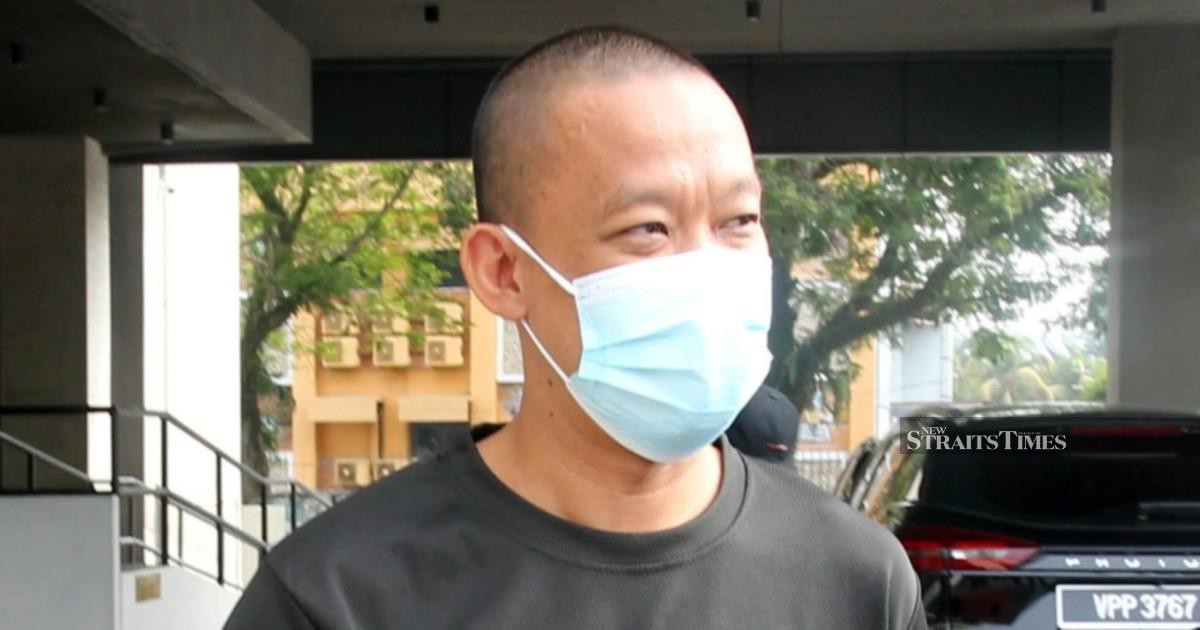
A wireman in Ipoh has walked free from a cannabis cultivation charge following the collapse of the prosecution's case at the Sessions Court, marking another instance of Malaysian courts scrutinising the evidentiary standards required in drug-related prosecutions. The acquittal and discharge order was granted today, ending legal proceedings that commenced three years prior when authorities allegedly discovered a cannabis plant being cultivated at the defendant's residential premises in Perak's capital city.
The case underscores a critical principle in Malaysian criminal law: the burden rests entirely upon the prosecution to construct a watertight case demonstrating guilt beyond reasonable doubt. The fact that the Sessions Court judge found insufficient evidence to sustain the charge reflects either gaps in the investigative process, failure to produce corroborating testimony, or weaknesses in establishing the necessary nexus between the defendant and the alleged cultivation activity. Such outcomes, whilst relatively uncommon in drug cases given Malaysia's stringent narcotics framework, highlight the judiciary's commitment to protecting individual rights even within the sphere of drug-related offences.
The timing of the investigation—three years before the court's final determination—suggests a protracted legal process typical of Malaysian criminal proceedings. During this extended period, evidence may have degraded, witness memories dulled, or supporting documentation mislaid, all factors that could have contributed to the prosecution's inability to meet its evidential threshold. For the defendant, this lengthy wait itself represents a considerable burden, encompassing legal costs, emotional strain, and the uncertainty of pending charges affecting employment prospects and social standing.
Under Malaysian law, cultivating cannabis is treated as a serious drug offence carrying potential imprisonment and mandatory minimum sentences depending on the quantity involved. The Dangerous Drugs Act 1952 establishes strict liability in many drug-related matters, yet it simultaneously requires prosecutors to establish the essential elements of the charge—in this instance, that the defendant knowingly allowed the plant to be cultivated on premises under his control. Mere presence of a cannabis plant at a residence does not automatically translate to culpability without establishing the defendant's knowledge and active permission or acquiescence.
This acquittal may prompt reflection within Perak's law enforcement agencies regarding investigation protocols and evidence-gathering procedures in drug cases. The collapse of the prosecution's case suggests that investigative teams might benefit from enhanced training in securing robust evidence chains, obtaining credible witness statements, and documenting plant specimens in ways that withstand judicial scrutiny. Given Malaysia's aggressive stance on narcotic offences, ensuring prosecutions are watertight protects both the justice system's integrity and prevents the wrongful conviction of innocent persons.
For legal practitioners in Perak and beyond, the judgment reinforces the importance of rigorous cross-examination and challenging prosecution evidence. Defence counsel evidently succeeded in exposing sufficient doubt regarding the defendant's involvement or knowledge, demonstrating that even in drug cases—where public sentiment often favours harsh punishment—the courts remain attentive to procedural fairness and evidentiary requirements. This balance between combating drug trafficking and protecting individual rights forms the bedrock of rule of law, distinguishing mature legal systems from those characterised by summary justice.
The case also reflects broader questions about how Malaysian authorities resource and prioritise drug investigations. Cannabis cultivation cases, particularly those involving single plants at residential addresses, may represent lower-priority enforcement matters compared to large-scale trafficking networks or synthetic drug labs. Resource constraints could potentially explain the investigative gaps that ultimately undermined the prosecution, a common challenge faced by law enforcement agencies nationwide.
Socially and politically, cannabis remains highly stigmatised in Malaysia, where possession and cultivation carry severe penalties reflecting the country's zero-tolerance approach to illicit drugs. Public discourse typically emphasises punishment rather than rehabilitation or consideration of medical applications being explored in other jurisdictions. The wireman's acquittal, therefore, carries limited symbolic weight in broader drug policy debates, yet it does reinforce that individual cases must be judged on evidence rather than substance category alone.
For Ipoh residents and the wider Perak community, the judgment offers reassurance that the Sessions Court maintains evidentiary standards and does not rubber-stamp prosecution assertions simply because they involve controlled substances. This protection applies equally to all residents regardless of social status, occupation, or background—a fundamental democratic principle that strengthens public confidence in judicial institutions.
The acquittal closes the chapter on a three-year legal saga for the defendant, who can now resume his life freed from the stigma of a conviction. However, the case leaves unanswered questions about how the cannabis plant came to be present at his residence and whether any other persons bore responsibility. These mysteries, whilst legally resolved through acquittal, may continue troubling the defendant's reputation locally. The Sessions Court's determination nonetheless stands: without sufficient evidence proving the defendant's involvement beyond reasonable doubt, justice demands his discharge, preserving one of common law's most cherished principles that the innocent must not be convicted.

