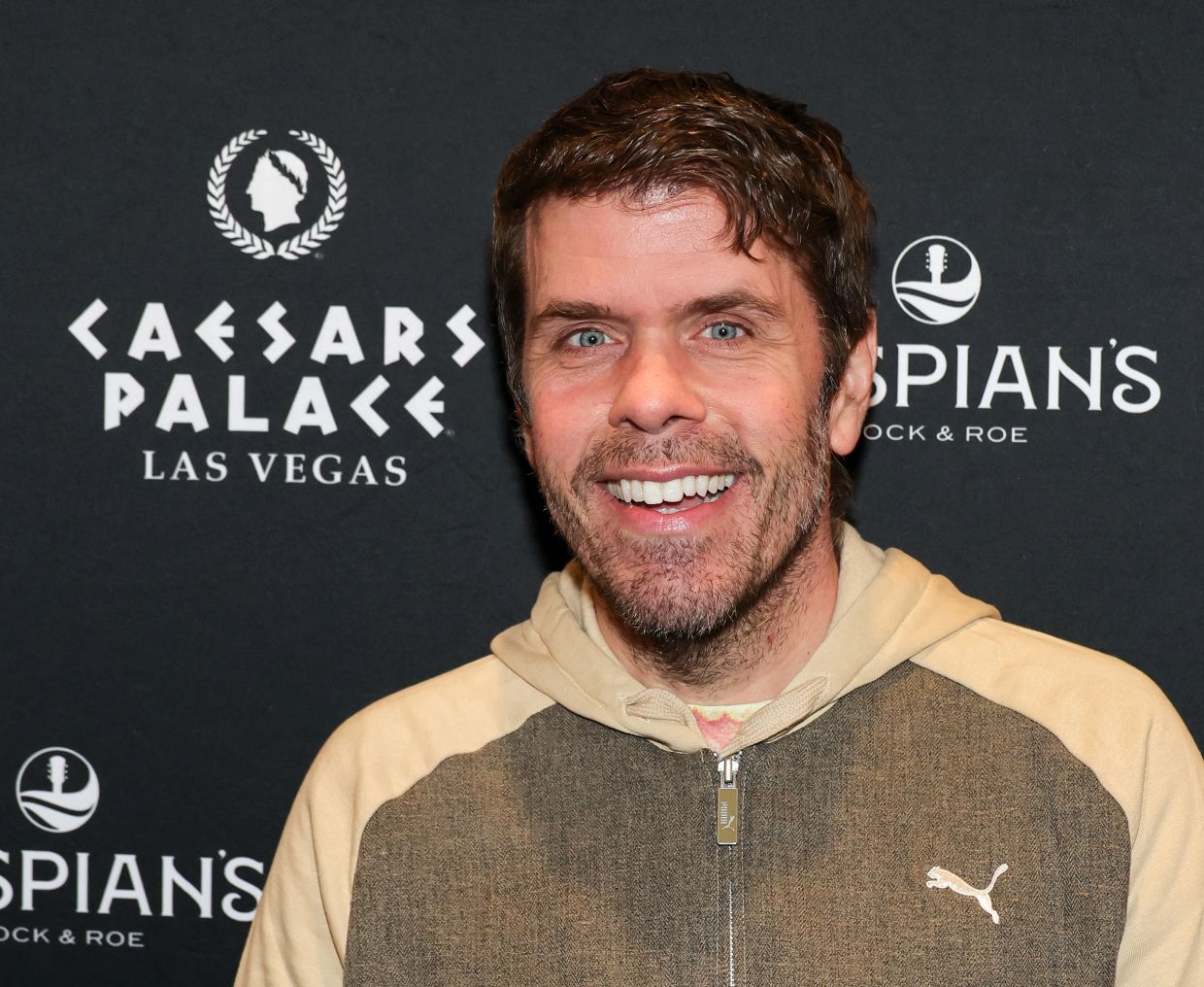
The family of celebrity blogger and social media personality Perez Hilton has made a public plea for media restraint and privacy in the aftermath of a traumatic incident involving a severe mental health crisis. Through a statement released on the celebrity's website Thursday, relatives disclosed that Hilton's three children, along with his niece and sister, were present inside the Miami residence when the emergency unfolded, forcing them to evacuate to shield the younger members from further psychological distress.
The circumstances that triggered the family's appeal stem from an incident that unfolded across social media on Tuesday night, when Hilton conducted a disturbing livestream on TikTok in which he engaged in self-harm using sharp implements. The video circulated rapidly across the platform, alarming both viewers and content moderators who recognised the severity of the situation and promptly contacted emergency services. Miami police fielded multiple calls from concerned members of the public responding to the disturbing broadcast.
Emergency responders from Miami-Dade descended on Hilton's residential address, and by approximately 9pm that evening, the Miami-Dade Sheriff's Office confirmed that he had been located and secured. Fire rescue personnel transported him to a nearby medical facility where he subsequently received hospitalisation and professional psychiatric care. The swift response from authorities prevented the situation from deteriorating further, though the psychological impact on those who witnessed the incident, particularly family members, remained profound.
In their formal statement, Hilton's relatives emphasised that their immediate concern centres on facilitating recovery for the children and extended family who experienced this traumatic episode firsthand. The family underscored that enabling the younger members to return to their home environment and reconstruct a sense of safety and routine represents a critical phase in their healing journey. To facilitate this recovery process, they explicitly requested that members of the media establishment, paparazzi photographers, content creators, and members of the general public refrain from congregating near or approaching the family residence.
The appeal reflects broader concerns about the intersection of celebrity culture and child welfare in the social media age. When high-profile mental health crises unfold in real time across digital platforms, the resulting media frenzy and public scrutiny can substantially impede genuine recovery and rehabilitation. The presence of cameras and journalists outside a residence can transform a private family tragedy into a spectacle, potentially retraumatising vulnerable individuals, particularly children who lack the agency to consent to public exposure during their most vulnerable moments.
While detailed information regarding Hilton's medical condition has remained limited, his family conveyed that he retains the capacity to communicate with those around him—a development that provided some reassurance during what they characterised as an extraordinarily painful period. The maintenance of communicative ability suggested that prospects for recovery existed, offering a glimmer of hope amidst an otherwise distressing situation.
Interestingly, the same day the family released their privacy plea, conservative political commentator Sean Hannity broadcast an episode featuring Hilton that had been recorded weeks prior to the crisis. In that recorded conversation, Hilton reflected candidly on his transformation from a sensationalist blogger who built his reputation on provocative celebrity gossip into someone seeking redemption. He acknowledged that his earlier approach to content creation was fundamentally rooted in what he described as an addiction to attention, an impulse he recognised as damaging to the individuals he targeted for public ridicule and exposure.
Hilton detailed his efforts to make amends with celebrities he had previously attacked through his platform, including pop icon Britney Spears and reality television personality Khloe Kardashian, both of whom he stated were receptive to his apologies. He also privately reconciled with actor Neil Patrick Harris, extending an apology for aggressively attempting to publicly expose Harris's sexual orientation in 2006, several years before Harris voluntarily disclosed his identity. The acceptance of these apologies suggested that some of his targets had moved beyond the hurt his content inflicted.
In the recorded interview, Hilton articulated a philosophical shift in his approach to entertainment commentary, maintaining that he could remain entertaining and engaging without resorting to cruelty or cheap sensationalism. He characterised his previous conduct as deeply wrong, acknowledging that he carried the consequences of those actions as an ongoing psychological burden—metaphorically describing it as a permanent scarlet letter that weighed heavily on his conscience.
This arc toward personal reckoning had accelerated following a separate health crisis earlier this year. In March, Hilton required hospitalisation for severe sepsis, an infection-induced medical emergency, and spent three weeks receiving intensive medical treatment. During that ordeal, Hilton reported having a profound spiritual experience, claiming divine intervention presented itself to him. Following his recovery from that health scare, he has increasingly embraced religious expression, launching a merchandise line with biblical themes and appearing on podcast programmes to discuss his spiritual reawakening and changed perspective on life and celebrity.
The juxtaposition of Hilton's stated personal growth and spiritual transformation with his recent mental health crisis presents a complex portrait of someone genuinely attempting to reform their life trajectory while simultaneously struggling with deeper psychological challenges. His family's request for privacy and freedom from media intrusion stands as a reminder that celebrity status does not diminish the fundamental human need for dignity, safety, and compassionate treatment during moments of profound vulnerability. For Malaysian audiences observing these developments, the situation underscores the broader global conversation about mental health awareness, the psychological toll of digital fame, and society's responsibility to prioritise human welfare over sensationalism.

