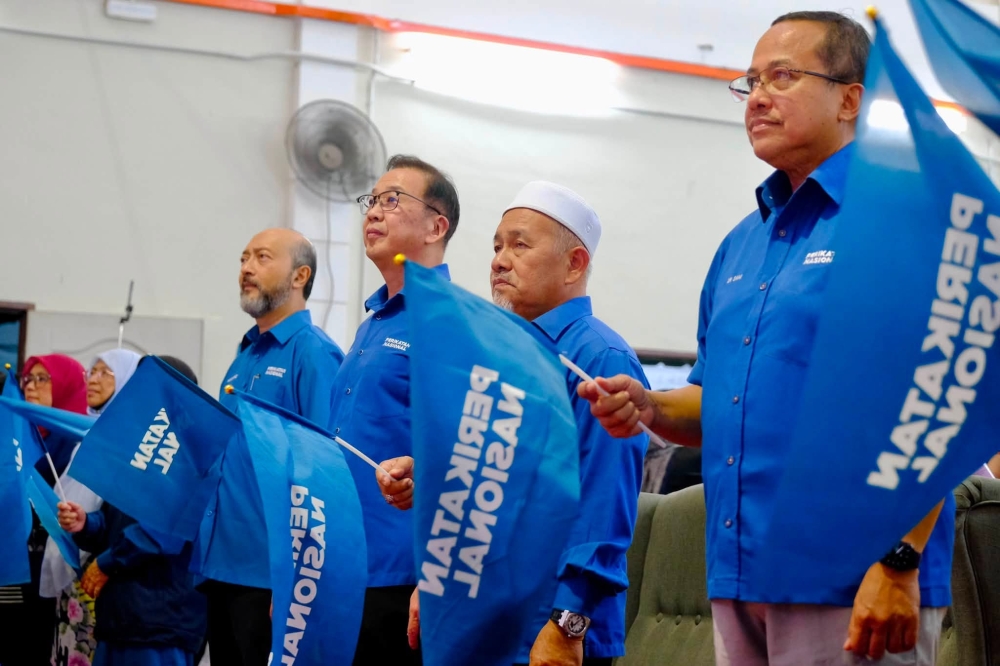
Perikatan Nasional chairman Datuk Seri Ahmad Samsuri Mokhtar has opened the door to a sustained partnership with Barisan Nasional that could extend well into the next general election cycle, provided their current joint administration in Negeri Sembilan demonstrates tangible success. His comments represent a significant statement about coalition politics in Malaysia, suggesting that pragmatic collaboration between rival blocs may transcend traditional electoral competition.
The indication from PN's top leadership comes as the two coalitions continue managing their unusual power-sharing arrangement in Negeri Sembilan, a state that has become something of a testing ground for cross-coalition governance in contemporary Malaysian politics. This experimental approach, born from the fragmented political landscape following recent electoral results, has sparked considerable discussion about whether such arrangements might become more common or durable in Malaysia's democratic system.
For Malaysian political observers, the chairman's suggestion reflects a fundamental shift in how major coalitions view electoral strategy and governance partnerships. Rather than viewing opposing blocs as permanent adversaries locked in perpetual conflict, PN's leadership appears open to the possibility that shared governance can generate sufficient success to justify continued collaboration with BN partners into subsequent electoral contests. This represents a departure from the zero-sum mentality that traditionally dominated Malaysian coalition politics.
The Negeri Sembilan arrangement serves as a practical laboratory for testing whether PN and BN can harmonise their policy objectives and administrative priorities effectively. The state's governance structure provides real-world evidence of what inter-coalition cooperation looks like when implemented at the executive level, including budget allocation, personnel appointments, and legislative priorities. Success in managing these operational challenges could indeed influence broader strategic calculations about political alignment heading into the next general election.
For regional observers and international analysts monitoring Malaysia's democratic trajectory, such coalition flexibility demonstrates institutional maturity and suggests that Malaysian voters and politicians are becoming increasingly comfortable with fluid political arrangements that prioritise governance outcomes over rigid party-based tribalism. This contrasts with earlier periods when coalition structures remained largely frozen across multiple election cycles.
The statement also carries implications for constituent components within both coalitions. Smaller parties and independents within PN and BN must grapple with the reality that partnership opportunities may extend further than previously anticipated, potentially reshaping internal negotiations about seat allocation and ministerial positions in future contests. The calculus for parties considering whether to remain within or exit their respective coalitions becomes more complex when long-term collaboration with rival blocs appears possible.
From a Southeast Asian perspective, Malaysia's political experimentation with cross-coalition governance offers insights into how plural democracies manage coalition politics when no single bloc commands overwhelming dominance. Other regional democracies facing similar fragmentation patterns may study the Malaysian model to understand whether pragmatism can overcome entrenched partisan divisions.
The success metric for extending this arrangement into the general election context remains deliberately undefined by PN leadership, which provides both flexibility and ambiguity. Future assessments of what constitutes "success" in Negeri Sembilan governance will inevitably become politically contentious, with each coalition claiming credit for positive developments while attributing shortcomings to their partners. Such disagreements could ultimately determine whether the partnership sentiment expressed by Ahmad Samsuri translates into concrete electoral coordination.
Economic performance in Negeri Sembilan, infrastructure development outcomes, and public satisfaction measurements will likely feature prominently in these assessments. The state's ability to deliver on promises regarding development projects, employment creation, and service delivery improvements will significantly influence whether both coalitions view continued partnership as electorally beneficial or potentially damaging to their respective brands and constituencies.
Meanwhile, grassroots party members and supporters within both PN and BN face the prospect of campaigning alongside former opponents in constituencies where inter-coalition arrangements take hold. Such arrangements require managing party worker expectations and voter messaging, particularly among hardline party members who view the other coalition with suspicion or historical antagonism. Successful implementation depends on clear internal communication about the rationale and temporary nature of such collaborations.
The chairman's remarks also suggest that PN leadership believes their party can compete effectively within a coalition framework with BN rather than requiring exclusive dominance to protect party interests. This confidence reflects PN's perceived electoral strength and potential for growth, positioning the party as a co-equal partner rather than a junior coalition member. Such positioning strengthens PN's negotiating capacity in any future inter-coalition arrangements.
Looking ahead, the coming months will prove crucial in determining whether Negeri Sembilan's experiment generates sufficient positive momentum to justify expanded coalition cooperation. Both coalitions will invest considerable attention in ensuring visible governance achievements that justify sustained partnership to their respective support bases while maintaining independence in messaging and distinct party identities during campaign periods.

