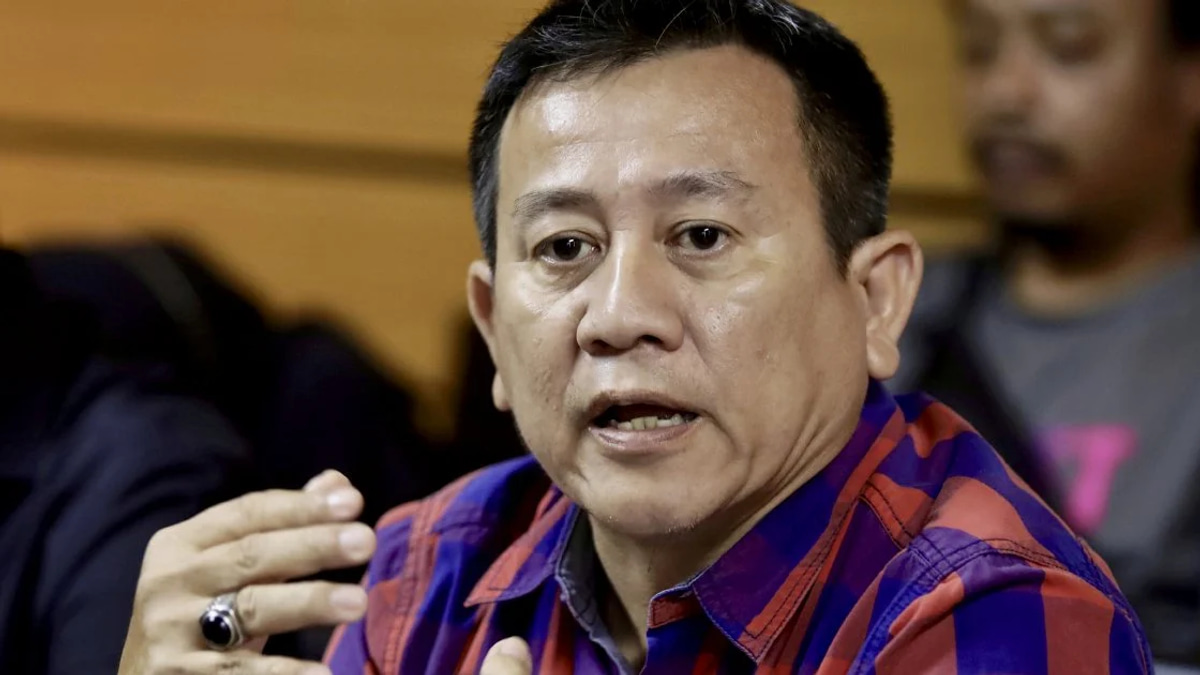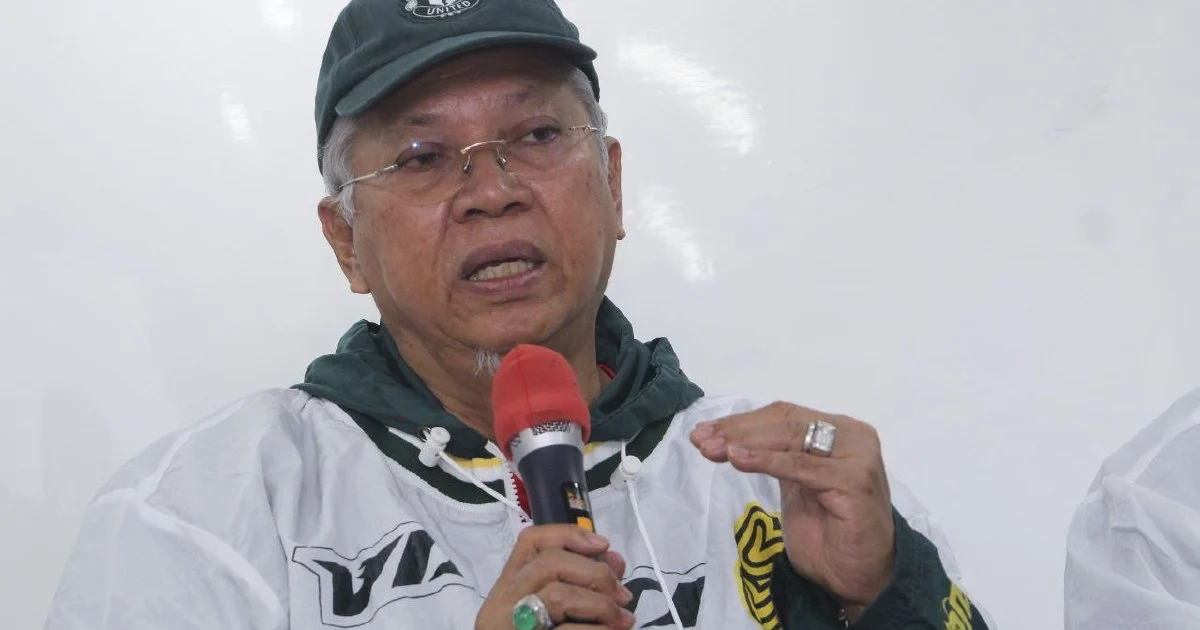
Perikatan Nasional declared itself prepared to contest a snap general election at any moment this year, according to remarks made by senior party officials in Kota Baru. The opposition coalition, which has been rebuilding strength since its weakened position following the 2022 elections, emphasised that its electoral machinery stands primed and operational across the nation's federal and state structures. The timing of such statements often signals the political temperature within Malaysia's fractious parliament, where numerical majorities remain fragile and legislative calculations constantly shift.
The confidence projected by PN's leadership reflects the coalition's assessment of its current standing relative to the Federal Government. In recent months, defections from the ruling Pakatan Harapan coalition have weakened its parliamentary position, creating theoretical scenarios where early dissolution could occur without devastating electoral consequences for alternative political forces. PN's declaration of readiness thus positions it as a credible alternative administration should voters be asked to deliver their verdict before 2025.
The coalition's emphasis on mobilised machinery at all administrative tiers underscores the professionalisation of Malaysian electoral competition. Unlike campaigns from earlier decades, contemporary general elections demand coordinated efforts spanning federal party headquarters, state-level operations, divisional structures, and grassroots volunteer networks. PN's statement suggests it has invested substantially in maintaining these organisational networks despite years in opposition, learning lessons from its previous collapse in 2020 when organisational decay undermined its electoral effectiveness.
Politically, PN's readiness signals constitute tactical positioning within parliament's ongoing power dynamics. Malaysia's parliamentary system incentivises constant jockeying for advantage, with early elections sometimes beneficial to parties believing they possess temporary electoral momentum. By publicly announcing preparedness, PN simultaneously sends messages to wavering parliamentarians that the coalition possesses capacity to govern, whilst signalling to the electorate that it anticipates potential mid-term upheaval.
For Malaysian voters and businesses, such declarations carry practical implications. Elections generate uncertainty across financial markets, delay policy implementation, and consume governmental bandwidth for campaigning rather than administration. The prospect of a poll within months therefore carries material consequences extending beyond electoral theatrics. Corporate planning cycles, investment decisions, and consumer behaviour often respond to perceptions of political stability or impending electoral disruption.
Southeast Asian observers view Malaysian electoral signals within regional contexts. The stability of ASEAN's largest economy by nominal GDP matters to neighbouring governments managing cross-border commerce, energy arrangements, and defence cooperation. Political continuity or upheaval in Kuala Lumpur ripples throughout the region's economic interconnectedness. PN's preparedness announcements therefore attract attention from observers across Thailand, Singapore, Indonesia, and Vietnam, each calculating how electoral outcomes might reshape bilateral relationships.
The coalition's statement also reflects PN's heterogeneous composition and the delicate balancing required to maintain cohesion among parties with divergent interests. Perikatan Nasional comprises multiple political entities including Bersatu, PAS, and their allies, necessitating constant negotiation regarding seat allocations, ministerial positions in hypothetical alternative governments, and policy platforms. Announcing unified readiness requires successful management of these internal tensions, suggesting PN's leadership has achieved sufficient consensus regarding electoral strategy and post-election governance arrangements to make such public commitments.
Historically, Malaysian political coalitions have faced credibility challenges when making election readiness claims. The 2018 election surprised many observers precisely because conventional political wisdom underestimated Pakatan Harapan's organisational capacity and public appetite for political change. PN's readiness assertions therefore require scrutiny regarding their substantiation in ground-level organisation, candidate quality, policy articulation, and public sentiment. Malaysian voters increasingly vote based on governance performance and policy platforms rather than ethnic or familial loyalties, demanding that opposition coalitions demonstrate genuine policy alternatives rather than merely occupying the opposition benches.
The economic context surrounding potential early elections warrants consideration. Malaysia's economic growth has decelerated, inflation remains elevated despite recent easing, and employment challenges persist particularly among educated youth. These conditions typically favour opposition parties offering change narratives over ruling coalitions defending incumbent records. However, voters also exhibit reluctance toward frequent elections that consume resources and generate uncertainty. Consequently, electoral calendars matter significantly—elections called too opportunistically may provoke public backlash rather than endorse alternatives.
International geopolitical developments add complexity to Malaysian electoral considerations. Rising regional tensions, energy transition requirements, and supply chain reorganisation create environments where experienced, stable governance attracts investor confidence. Ruling coalitions benefit from these circumstances as markets reward political continuity. Conversely, elections generating uncertainty may deter foreign investment despite whatever electoral outcome emerges. PN's preparedness declarations thus occur within these broader strategic calculations regarding national interests beyond partisan advantage.
Looking forward, Malaysian politics faces perpetual uncertainty regarding parliamentary longevity given the coalition arithmetic. PN's statement reflects rational political calculation that maintaining readiness represents prudent strategy when electoral dissolution could occur with minimal advance notice. The subsequent months will reveal whether such declarations translate into substantive campaign momentum or represent primarily tactical positioning without underlying electoral advantage.

%22%2F%3E%3C%2Fpattern%3E%3C%2Fdefs%3E%3Crect%20width%3D%22100%25%22%20height%3D%22100%25%22%20fill%3D%22url(%23ph28ik2g)%22%2F%3E%3Crect%20width%3D%22100%25%22%20height%3D%22100%25%22%20fill%3D%22url(%23ph28ik2p)%22%2F%3E%3Ctext%20x%3D%2250%25%22%20y%3D%2250%25%22%20text-anchor%3D%22middle%22%20dominant-baseline%3D%22central%22%20fill%3D%22rgba(255%2C255%2C255%2C0.95)%22%20font-family%3D%22Georgia%2C%20'Times%20New%20Roman'%2C%20serif%22%20font-weight%3D%22700%22%20font-size%3D%22272%22%20letter-spacing%3D%22-0.02em%22%3EAnwar%3C%2Ftext%3E%3C%2Fsvg%3E)