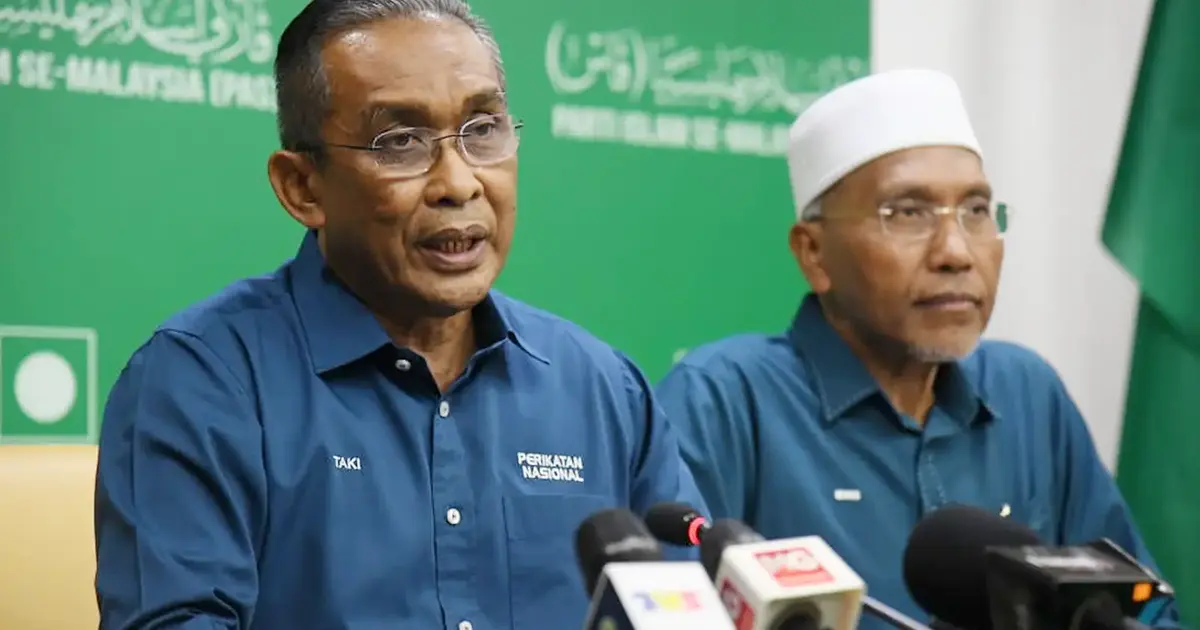
Perikatan Nasional has moved to centralise control over its internal operations, with the coalition's secretary-general Takiyuddin Hassan announcing that no meetings or events can be held without explicit approval from the chairman. The statement comes amid mounting tensions within the opposition bloc, particularly following reports that Bersatu president Muhyiddin Yassin had attempted to convene a Supreme Council gathering on a specific date.
This directive represents a notable tightening of administrative oversight within PN, one of Malaysia's principal opposition coalitions. By requiring chairman authorization for all official functions, the leadership appears intent on preventing unilateral action by member parties or factions that might operate independently of the coalition's central authority. The timing of the announcement underscores simmering internal divisions that have periodically disrupted the alliance's cohesion since its formal establishment.
For Malaysian political observers, the move signals that structural tensions within PN remain unresolved. The coalition, which comprises Bersatu, PAS, and Perikatan component parties, has navigated contested leadership dynamics and competing ambitions among its senior figures. Takiyuddin's clarification establishes a hierarchical approval mechanism that could either stabilize coordination or deepen existing fault lines, depending on how rigorously the requirement is enforced.
Bersatu, as the party of former Prime Minister Muhyiddin, has historically wielded considerable influence within the alliance. Muhyiddin's apparent attempt to schedule a Supreme Council meeting without broader consensus suggests that intra-coalition friction persists, particularly between the party president and the broader leadership structure. The secretary-general's countermeasure indicates that other senior figures are determined to prevent any single party leader from independently directing coalition activities.
The practical implications of this new protocol extend beyond symbolic governance. Major announcements, policy positions, strategic decisions, and public events will now undergo centralized vetting. This could slow decision-making processes when rapid responses are required, but it simultaneously prevents embarrassing contradictions or competing narratives that might damage the coalition's electoral standing and public credibility.
For Malaysian voters and political analysts monitoring PN's trajectory, these internal regulatory changes reflect the coalition's ongoing struggle to balance the autonomy of constituent parties with the need for unified messaging. In a competitive political landscape where the Pakatan Harapan government and other factions continuously contest for support, coalitions must present coherent positioning. Uncoordinated public actions by individual parties or their leaders can undermine broader strategic objectives.
Takiyuddin's statement also reveals the secretary-general's growing role as a stabilizing force within PN governance. As the administrative custodian of coalition procedures, he now possesses gatekeeping authority over all formal activities. This elevation of the secretary-general's function mirrors patterns observed in other Malaysian political coalitions, where administrative officers have periodically assumed heightened importance during periods of internal contention.
The enforcement of this requirement will be critical in determining its actual impact. If the chairman routinely grants approval with minimal scrutiny, the policy becomes cosmetic. Conversely, if approvals are selectively withheld as a disciplinary mechanism against perceived disloyalty, it could entrench grievances among member parties and accelerate fragmentation. PN's cohesion has historically depended on informal agreements and personal relationships rather than rigid procedural enforcement, making the introduction of this formalized mechanism a significant departure.
Regional observers note that Malaysia's coalition politics regularly generate such governance innovations during periods of instability. Similar structural reforms have occurred within Pakatan Harapan and earlier within the previous Barisan Nasional configuration. These adjustments typically reflect attempts by senior figures to consolidate power or prevent rival factions from gaining autonomous visibility and influence.
Looking forward, this approval requirement may reshape how PN operates during the lead-up to the next general election. Campaign activities, press conferences, and public mobilization efforts will require coordinated authorization, potentially streamlining messaging but also risking bottlenecks if the approval process becomes contentious. Member parties accustomed to operating with greater independence may chafe under these new constraints.
For Malaysian political analysts, the broader significance lies in what this shift reveals about PN's internal power distribution and stability. Coalition politics in Malaysia have consistently demonstrated that formal rules matter less than elite consensus. Takiyuddin's directive will only prove effective if the majority of senior figures across PN's constituent parties genuinely support centralized coordination. Should key party leaders view this as an attempt to diminish their autonomy, the policy could trigger wider splits.