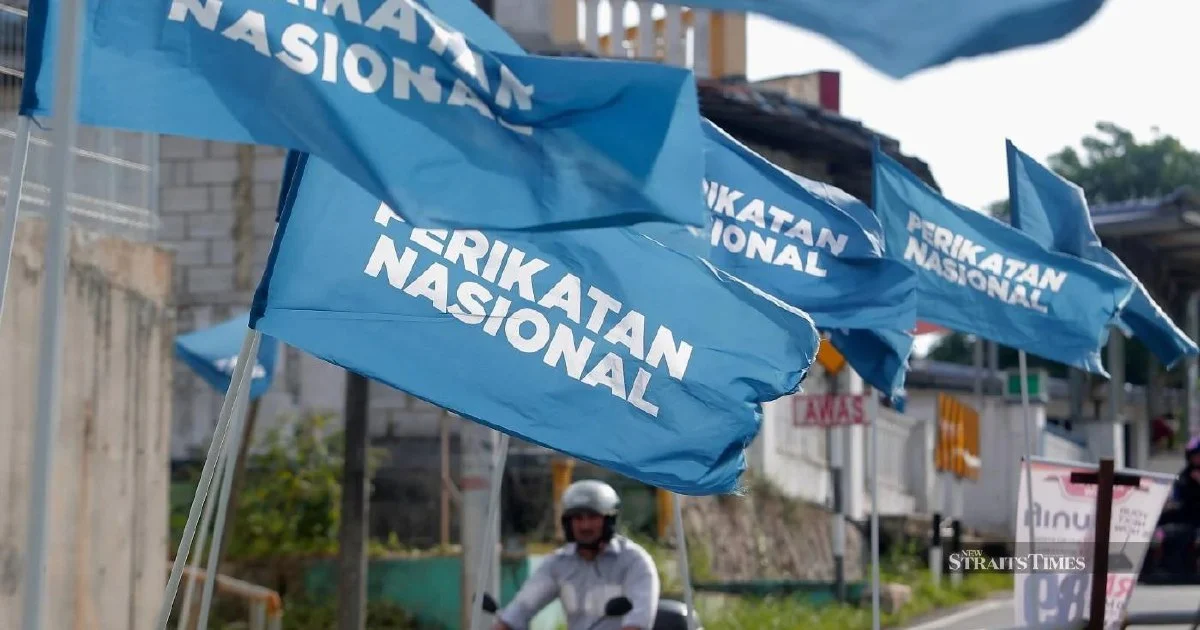
Perikatan Nasional appears committed to keeping its coalition with Bersatu intact as both parties approach critical state elections in Johor and Negri Sembilan, according to political analysts monitoring developments within Malaysia's main opposition coalition. The timing of these electoral contests places significant pressure on the alliance to project unity, even as underlying tensions between the partners occasionally surface in public discourse and internal party mechanisms.
The strategic logic underpinning this coalition maintenance is straightforward: fracturing the partnership weeks before voters head to the polls would undermine the opposition's competitive position against the ruling coalition. In a political environment where electoral margins often hinge on tight contests in marginal seats, divisions at the leadership level frequently translate into reduced voter turnout and fragmented campaign messaging. Analysts suggest that both PN and Bersatu understand this calculus and recognise that their respective electoral prospects depend on presenting a consolidated political force to Malaysian voters.
Bersatu, as Tan Sri Muhyiddin Yassin's vehicle for power, holds particular strategic importance within the PN framework. The party's presence, despite its smaller parliamentary representation compared to PAS, provides PN with a multiethnic coalition structure that extends its appeal beyond the predominantly Malay-Muslim base of its larger partner. This architectural benefit becomes especially valuable during state-level contests where demographic diversity influences seat calculations and voter persuasion strategies. Losing Bersatu from the coalition would effectively narrow PN's electoral coalition and reduce the perceived breadth of opposition support among non-Malay constituencies.
The Johor electoral contest carries heightened significance given the state's size, economic importance, and historically strong Barisan Nasional performance. Any schism within PN immediately before polling day would provide the government coalition with tactical advantages, allowing it to emphasise opposition disunity during the crucial campaign phase. Similarly, Negri Sembilan, though geographically smaller, represents a competitive battleground where local issues and coalition solidarity messaging influence voter behaviour.
Analysts note that maintaining the PN-Bersatu relationship requires careful management of several underlying friction points. These include resource allocation for candidate selection, disputes over seat distributions across constituencies, and occasionally divergent messaging on policy priorities. However, the proximity of these elections compels both parties to suppress public airing of such grievances. Senior leadership across both parties has tacitly acknowledged the need for temporary cohesion, even where genuine disagreements persist over strategy and direction.
The broader political context amplifies incentives for coalition stability. With federal government control remaining uncertain and legislative mathematics in Parliament remaining fluid, PN's viability as a credible opposition force depends substantially on demonstrating electoral competitiveness. Strong performances in Johor and Negri Sembilan would strengthen PN's negotiating position in future political realignments and potentially shift the balance of power at the national level. Conversely, poor results would weaken the coalition's internal legitimacy and embolden factions advocating for alternative political configurations.
For Bersatu specifically, participating in these elections under the PN banner offers opportunities to rebuild its parliamentary presence and recover credibility after years of political turbulence following the party's departure from government. The party's leader and former prime minister maintains significant personal followings in certain constituencies, particularly in Johor where he retains historical political roots. Leaving the PN coalition ahead of these contests would squander accumulated campaign momentum and alienate party members invested in current electoral preparations.
International observers and domestic political watchers will be monitoring these elections closely for indicators of Malaysia's broader political trajectory. A unified PN showing in Johor and Negri Sembilan could provide momentum for the coalition to present itself as a viable government alternative in future national contests. Such developments would reshape Malaysian politics significantly, as the current three-way competition between PN, Barisan Nasional, and Pakatan Harapan remains fluid and subject to shifting alliances.
The maintenance of PN-Bersatu cohesion during this period should not be mistaken for deeper ideological or strategic alignment. Analysts familiar with both parties' internal dynamics recognise that numerous disagreements remain unresolved beneath the surface of public statements emphasising unity. Questions surrounding seat allocations in future elections, policy prioritisation, and power-sharing arrangements within the coalition continue to generate tension among rank-and-file members. However, these disputes are being deliberately suppressed from public debate until after the state elections conclude.
Looking forward, the outcome of the Johor and Negri Sembilan contests will substantially determine whether the PN-Bersatu partnership continues beyond these immediate electoral commitments. Strong combined performances would create momentum for sustained cooperation, while disappointing results might reignite internal recriminations and trigger a reassessment of the alliance's viability. This dynamic places these state elections in the category of watershed moments for Malaysian opposition politics.