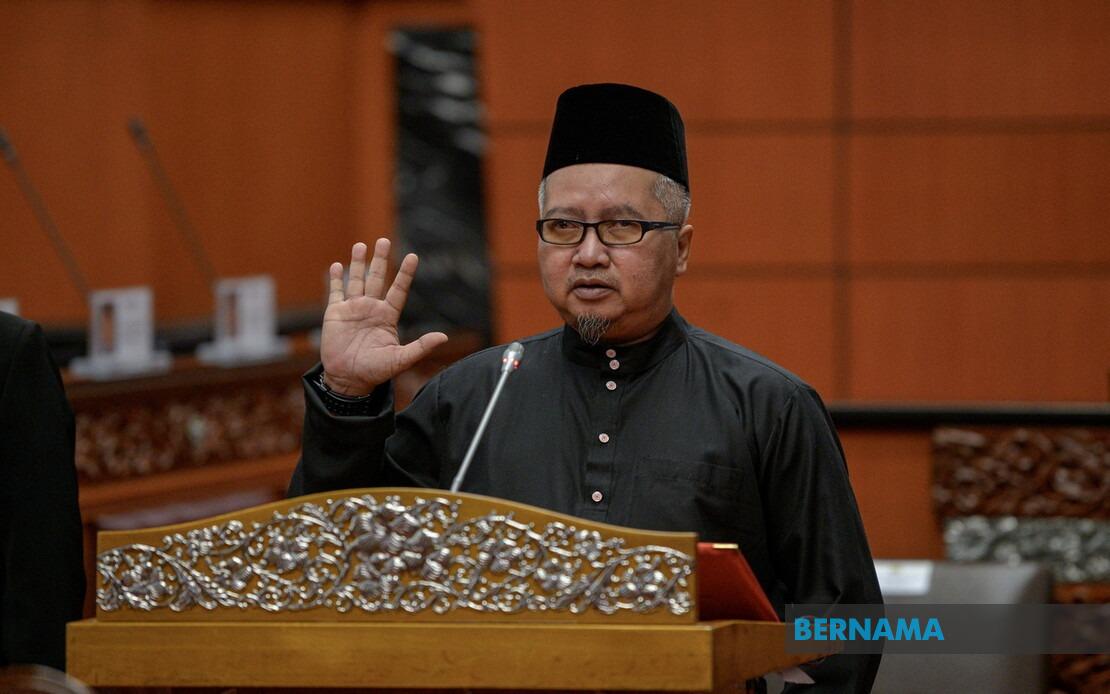
Senator Azahar Hassan, the Perlis secretary of Parti Pribumi Bersatu Malaysia, announced his departure from the party and all affiliated posts on July 9, bringing an end to his tenure in the regional leadership structure. The resignation takes effect immediately, according to a statement released in Kangar, though Hassan intends to maintain his seat in the Dewan Negara to discharge his obligations to constituents in Perlis.
In his public declaration, Hassan framed his exit as a carefully deliberated choice rooted in his personal convictions and political philosophy. He explained that the resignation reflected his commitment to pursuing a direction of struggle aligned with his core values and principles, suggesting the decision followed meaningful reflection on the party's current trajectory and his own ideological positioning. The statement did not elaborate on specific grievances or organisational disputes, instead emphasising the introspective nature of the determination.
Hassan's appointment as Senator by the Perlis State Legislative Assembly occurred on October 10, 2024, granting him a platform in the upper chamber to represent state interests at the national level. His subsequent resignation from Bersatu, less than nine months into his tenure as party secretary, signals potential discord within the party's Perlis chapter or broader misalignment between Hassan's vision and the party's direction under current leadership.
The move reflects broader volatility within Bersatu's regional structures, a theme that has characterised the party since its formation. Bersatu, which emerged as a splinter from the United Malays National Organisation before reconstituting itself as a multiracial formation, has experienced periodic departures at state and federal levels as party members reassess their alignment with shifting political landscapes and leadership priorities.
For Perlis, a state where political dynamics have traditionally been influenced by small numbers of key figures, Hassan's exit may trigger recalibration within local party structures and potentially affect organisational coherence heading into upcoming elections or state-level political developments. The state's compact political arena means individual departures can carry disproportionate significance, influencing factional balance and resource allocation within party hierarchies.
Hassan's commitment to continue serving in the Dewan Negara despite leaving Bersatu preserves legislative representation and suggests his resignation is fundamentally about party affiliation rather than a comprehensive withdrawal from public service. This distinction matters significantly in the Malaysian context, where upper house appointments typically transcend party mechanics and remain valid regardless of subsequent party changes. Such arrangements have proven common when senators prioritise their constituency responsibilities over maintaining formal party ties.
The circumstances surrounding Hassan's departure remain partially opaque, given his choice not to specify substantive reasons beyond general invocations of principle and direction. Malaysian political custom often sees resignations framed in similarly measured language, with deeper motivations—whether ideological, factional, or procedural—sometimes becoming apparent only through subsequent reporting or the next moves these individuals make in the political arena.
Bersatu's national leadership has faced mounting scrutiny over the past eighteen months as the party navigates challenges related to internal cohesion, electoral performance in several states, and competition from other Malay-based and multiracial formations. State-level departures and resignations of office-holders contribute to perceptions of organisational strain, though the party has demonstrated resilience through periodic restructuring and leadership adjustments.
For Malaysian observers tracking Bersatu's evolution, Hassan's exit joins a longer list of notable party shifts across the federation. These movements reflect the fluidity characteristic of Malaysian politics post-2018, when traditional power arrangements fractured and numerous politicians reassessed their party homes in light of changing electoral calculations and ideological recalibrations.
The implications for Perlis are multifaceted. Hassan's departure necessitates reorganisation of party secretariat duties and potentially affects campaign coordination and grassroots mobilisation structures heading into any anticipated electoral contests. The state's compact political scale means such vacancies must be filled rapidly to prevent organisational degradation.
More broadly, Hassan's decision illustrates the ongoing tension many Malaysian politicians experience between personal conviction and party discipline. His resolution to maintain his Senate position while severing party ties represents a middle path—preserving his ability to contribute to national governance while signalling fundamental disagreement with Bersatu's current direction or performance.
As Malaysia navigates the period between major electoral cycles and political transformation continues at state and federal levels, movements such as Hassan's exodus from Bersatu provide barometers of underlying institutional stress and individual reassessment within coalition structures. Whether his departure foreshadows broader shifts in Perlis politics or remains an isolated incident will likely become clearer as regional political dynamics unfold over coming months.

