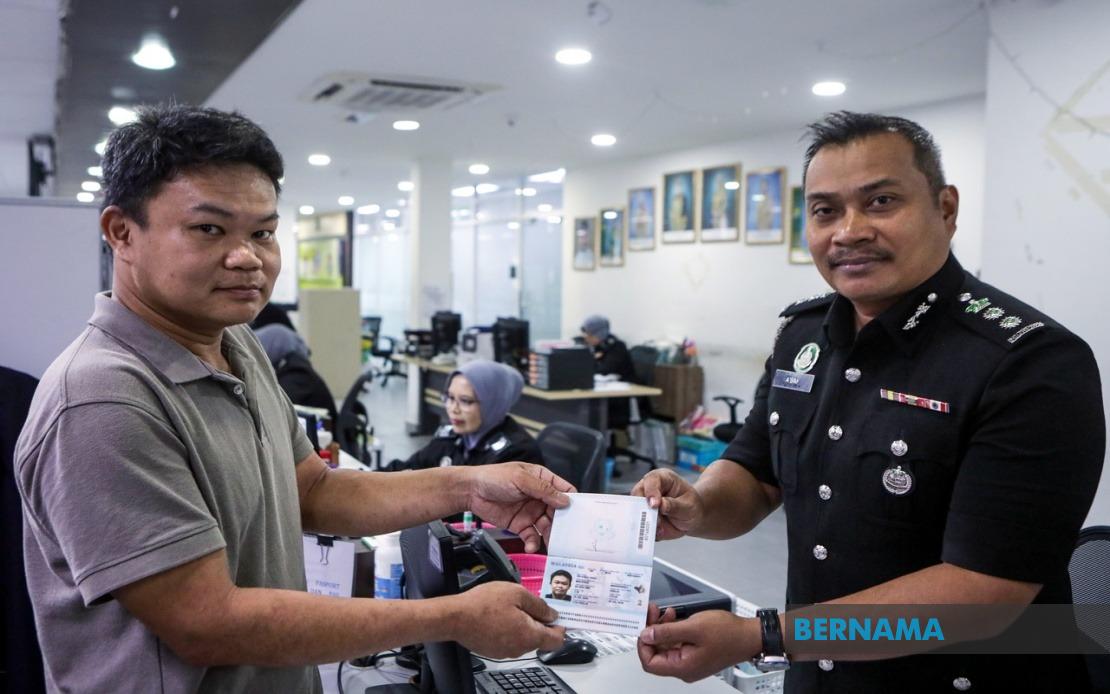
Perlis Immigration has begun distributing the newly designed Malaysian International Passport from its office in the Kangar Urban Transformation Centre, marking the northern state's entry into a nationwide modernisation programme for travel documents. The initiative, which commenced this month, represents a significant upgrade to Malaysia's passport security infrastructure, incorporating 94 distinct protective features designed to combat forgery and enhance border control verification processes.
Mohammad A'sim Md Ali, director of Perlis Immigration, explained at a press briefing that the current distribution point remains limited to the Kangar UTC facility. However, the department plans to relocate passport printing operations to a newly equipped processing centre at the Perlis Ministry of Home Affairs Complex once renovation and service counter enhancements are finalised—a transition anticipated for October 2024. This phased approach allows authorities to manage service delivery while infrastructure upgrades occur across state government facilities.
The rollout follows Prime Minister Datuk Seri Anwar Ibrahim's official launch on June 30, with nationwide applications commencing on July 1. Malaysian citizens aged 18 and above now have the flexibility to request either five-year or ten-year validity periods according to their travel requirements and personal preference. This expanded choice reflects recognition that diverse cohorts—from young professionals to frequent business travellers—benefit from varied passport lifecycles.
Initial uptake in Perlis has exceeded expectations, with immigration officials reporting positive public response during the first operational week. Between January 1 and July 17, the state's immigration department processed 31,722 travel-related documents overall, encompassing 6,918 standard passports, 72 Restricted Travel Documents for individuals subject to movement constraints, and 24,732 Border Passes facilitating regional mobility. These figures demonstrate sustained demand for travel credentials across multiple categories.
The new Malaysian International Passport represents a broader strategic initiative to modernise Malaysia's border security apparatus while simultaneously enhancing user experience. The 94 embedded security features include biometric elements, advanced printing techniques, and digital markers designed to meet international standards established by ICAO (International Civil Aviation Organization). Such enhancements position Malaysian travel documents competitively within the global context, where passport security benchmarks have intensified following transnational security concerns.
For Malaysian regions like Perlis, proximity to Thailand and integration within the ASEAN framework creates particular significance around passport modernisation. Enhanced document security facilitates smoother cross-border movement for legitimate travellers while strengthening immigration authorities' capacity to identify forged or compromised credentials at regional checkpoints. This directly supports economic activities dependent on fluid international mobility, from trade to tourism.
The staggered implementation across Malaysian states reflects logistical realities surrounding technology installation and staff training. Each state's immigration department must undergo equipment setup and procedural standardisation before commencing full-scale distribution. Perlis's October target for the secondary processing facility at the KDN Complex aligns with broader nationwide implementation schedules, ensuring equitable service availability across states of varying administrative capacity.
Citizens considering passport applications should note that the validity period selection represents a significant practical consideration. The five-year option suits younger individuals whose personal circumstances, employment locations, or travel patterns may change substantially within a decade. Conversely, the ten-year validity appeals to established professionals and frequent international travellers seeking extended credential utility without renewal inconvenience. Cost implications of each option, though not detailed in official statements, typically reflect the extended protective value accorded longer-validity documents.
The introduction of these advanced passports underscores Malaysia's commitment to maintaining competitive positioning within global travel security frameworks. As regional tourism recovers and cross-border trade intensifies within ASEAN, document authenticity becomes increasingly crucial for border management efficiency. Malaysian immigration authorities' investment in modern technology communicates seriousness about preventing identity fraud and irregular migration while facilitating legitimate movement—a delicate balance central to contemporary border administration.
For Perlis residents and state visitors, the immediate practical implication involves directing passport applications through the Kangar UTC facility during this transition period. Applicants should anticipate potential processing delays during peak demand periods, though the installation of modern printing technology should ultimately accelerate issuance timelines compared to previous manual processes. Those planning international travel should verify completion eligibility before booking flights, as application processing duration varies based on documentation completeness and background verification requirements.

