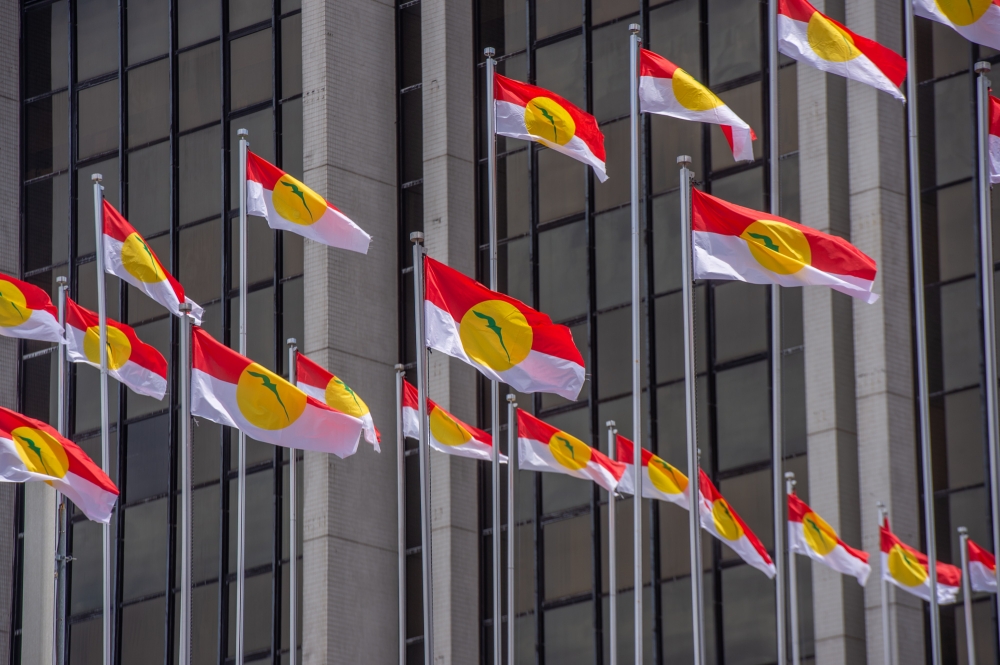
Perlis Umno is preparing its organisational apparatus to contest every available seat at both state and parliamentary levels without relying on coalition partners, marking a bold repositioning of the party's electoral strategy in Malaysia's smallest state. The announcement underscores growing confidence within the party ranks that it can capture sufficient ground support to maintain dominance across the 15 state assembly divisions and three federal constituencies, representing a departure from previous elections where alliances with other Barisan Nasional or Perikatan Nasional components facilitated seat-sharing arrangements.
The decision to pursue a solo campaign across all 18 seats reflects deeper calculations within Perlis Umno's leadership about the party's capacity to mobilise voters independently. Rather than managing coalition negotiations—which often involve contentious seat allocation disputes—the party has apparently concluded that fielding its own candidates across the entire electoral map offers greater strategic flexibility and allows Umno to capture credit directly for any electoral victories without sharing spoils with larger coalition partners. This approach requires substantially more internal resources, candidate vetting, and on-ground mobilisation than typical coalition campaigns.
Perlis, despite its modest geographical footprint and population, holds particular significance in Malaysia's political architecture. The state's three parliamentary constituencies feed into the federal government formation calculations, while state-level control determines local development priorities and patronage networks. For Umno, maintaining grip over this compact political theatre demonstrates organisational vitality and provides a testing ground for campaign methodologies that might eventually scale to larger states facing similar electoral dynamics.
The timing of this announcement merits consideration alongside broader Umno positioning within the national political landscape. Following internal party reorganisation and leadership transitions, state-level chapters frequently recalibrate their strategies to assert autonomy or adapt to shifting federal directives. Perlis Umno's solo-contest declaration may signal confidence in the current leadership's grip over internal party mechanics, or conversely, reflect concerns that coalition partners might not deliver optimal arrangements for Perlis candidates in seat negotiations.
Challenges accompanying this strategy deserve scrutiny. Fielding full-strength campaigns across all seats simultaneously demands candidate pools of sufficient calibre and local acceptability, organisational capacity spanning remote constituencies, and funding mechanisms to sustain advertising and ground operations. Unlike coalition arrangements where larger parties shoulder disproportionate campaign financing, Umno must now bear the entire financial burden across Perlis while competing against opposition alliances that may pool resources and coordinate messaging more efficiently.
The opposition landscape in Perlis comprises multiple competing factions. The Perikatan Nasional bloc, which has demonstrated variable performance across Malaysia, operates through partner arrangements in the state. Democratic Action Party and People's Justice Party presence, though historically modest in this particular state, could concentrate votes in certain constituencies where urban-educated voters demonstrate receptiveness to non-Umno messaging. Umno's solo strategy therefore presupposes its vote base remains sufficiently cohesive that fragmentation by competing coalitions cannot materially erode its seat count.
Regional political dynamics influenced this decision as well. Neighbouring Kedah's political trajectory, where coalitions have fractured and reformed repeatedly, likely offered instructive lessons about the vulnerabilities inherent in seat-sharing arrangements. Perlis Umno leadership may have observed how coalition negotiations consumed political capital and generated internal grievances among candidates disappointed with allocation outcomes. A solo campaign, while organisationally demanding, eliminates such friction points and permits clearer messaging about party accountability for electoral outcomes.
The campaign machinery activation signals imminent electoral calendaring by state and federal authorities. Although no formal dissolution announcement has materialised, Perlis Umno's preparatory phase indicates internal assessments suggesting elections within the medium term. Ramping up candidate selection processes, organisational training, and voter outreach initiatives typically precedes actual electoral contests by several months, allowing campaign infrastructure maturation before nomination day arrives.
This strategy's success ultimately hinges on Umno's capacity to retain core voter constituencies while potentially broadening appeal within demographic segments currently inclined toward opposition parties. Perlis voters, like their counterparts nationally, increasingly scrutinise candidate quality and demonstrated commitment to constituency issues over simple party loyalty. Umno candidates fielded across all 18 seats must therefore combine party institutional support with credible local credentials and governance track records that justify voter confidence.
The implications extend beyond Perlis's immediate electoral context. A comprehensive Umno victory across the state would furnish national party leadership with potent evidence of organisational resurgence and electoral competitiveness in solo campaigns, potentially influencing strategic calculations in larger states contemplating coalition versus independent approaches. Conversely, electoral setbacks or narrowed margins might validate coalition partnership arguments and encourage future electoral alliances rather than standalone campaigns.
For Southeast Asian observers monitoring Malaysian political evolution, Perlis Umno's repositioning reflects broader democratisation pressures compelling traditional ruling parties to demonstrate electoral legitimacy through direct voter contestation rather than relying exclusively on coalition structures or institutional advantages. The willingness to stake party prestige entirely on its own candidate quality and campaign effectiveness represents a confidence assertion that reverberates through Malaysia's political ecosystem as stakeholders evaluate traditional establishment viability.

