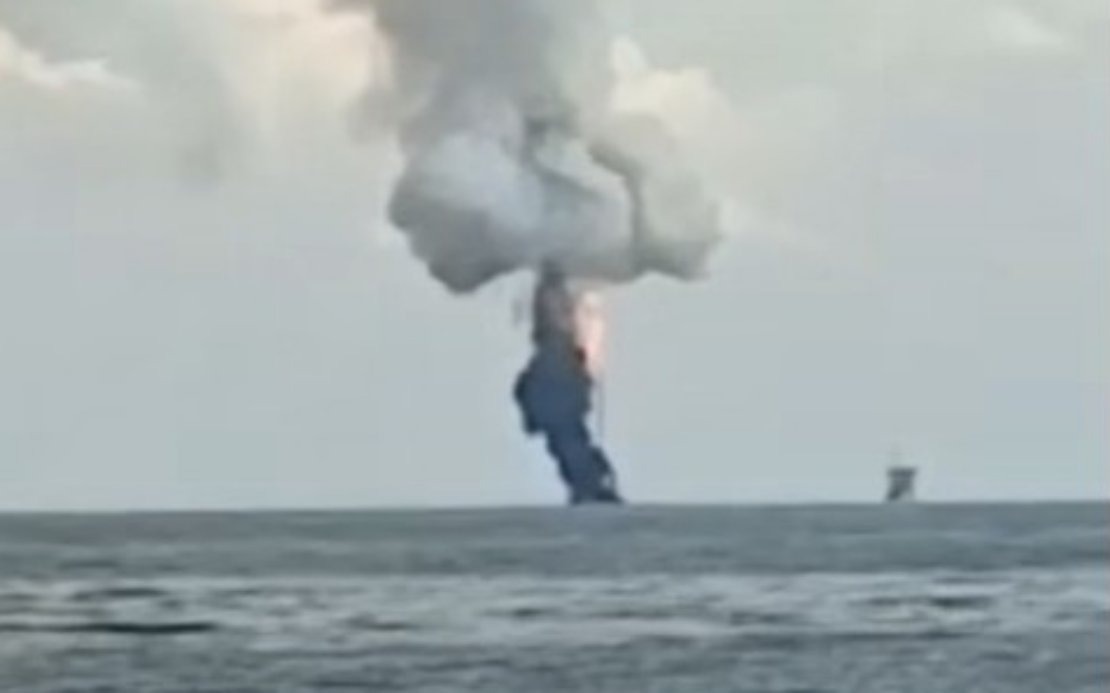
Petronas Carigali's subsidiary Vestigo Petroleum Sdn. Bhd. confirmed on June 29 that a fire broke out at approximately 2 pm the previous day at its West Lutong Vent A (WLV-A) facility located in offshore Sarawak waters. The company issued a formal statement detailing the incident and its immediate response, noting that the situation had already been brought under control by the time of the announcement.
The exact cause of the fire remains under investigation, with the company working alongside relevant authorities to determine what sparked the incident. Vestigo has implemented precautionary measures to manage potential exposure risks and is coordinating closely with regulatory bodies to ensure all protocols are followed during the investigation phase. The transparency of the disclosure came after footage of the incident circulated widely on social media platforms, prompting the company to issue an official clarification.
According to the statement released by Vestigo, there were no injuries sustained by any personnel on the platform, and no workers were affected by the fire or subsequent emergency response operations. The company emphasised that the incident posed no immediate danger to nearby communities or the surrounding marine and coastal environment, a critical assurance given the sensitivity of offshore operations in Malaysian waters.
The West Lutong field is a significant production asset in Sarawak's petroleum portfolio, and any operational disruption carries implications for Malaysia's oil and gas output. While the fire was contained swiftly, questions about the underlying cause will be crucial to understanding whether this reflects isolated equipment failure or a broader maintenance concern. The incident highlights the ongoing risks associated with deepwater and offshore extraction, where emergency response must be executed with precision under challenging conditions.
Vestigo's rapid containment of the fire underscores the importance of well-trained emergency response teams and robust safety protocols at offshore installations. Malaysian offshore operators have invested substantially in safety infrastructure following several high-profile incidents over the past two decades, and this swift response suggests those investments continue to yield results. However, each incident provides an opportunity to audit and strengthen existing procedures.
The viral spread of the incident on social media before official confirmation demonstrates how quickly information—and misinformation—can circulate in the digital age. Petronas and its subsidiaries have become increasingly attentive to this reality, recognising that proactive communication helps manage public perception and prevents speculation from filling information gaps. Early, clear messaging from Vestigo likely helped contain any concerns about broader operational risks.
From a regulatory perspective, Malaysia's Department of Safety and Health, together with the relevant state authorities in Sarawak, will conduct their own investigation into the incident. These investigations typically examine maintenance records, equipment specifications, crew training documentation, and procedural compliance. The findings will inform whether any operational adjustments or enhanced safety measures are necessary across the Petronas group's offshore portfolio.
The incident occurs within a context of Malaysia's continued reliance on petroleum revenues, even as the nation gradually diversifies its energy mix toward renewables and liquefied natural gas. Sarawak remains one of Malaysia's primary petroleum-producing regions, and any disruption to offshore operations affects not only Petronas' financial performance but also government revenue streams. The swift containment of this fire prevents what could have been a more costly operational shutdown.
Vestigo's commitment statement regarding the safety of its personnel, environmental protection, and operational integrity reflects industry standards and regulatory expectations. Offshore operators in Malaysia operate under stringent licensing conditions that mandate continuous safety improvements and environmental stewardship. The incident serves as a reminder of the inherent hazards in offshore petroleum extraction and the constant vigilance required to maintain safety records.
Looking ahead, the investigation findings will be closely monitored by industry observers, regulators, and investors. Any systemic issues identified could trigger recommendations affecting not only Vestigo but potentially the broader offshore sector. Malaysian operators and international partners working in Malaysian waters will likely use this incident as a case study during their own safety audits and training programmes.
The incident also underscores the interdependence between Malaysia's energy security and operational excellence in the offshore sector. As global energy markets remain volatile and Malaysia seeks to maintain its position as a reliable petroleum supplier, maintaining an unblemished safety record becomes increasingly important for investor confidence and regulatory credibility.

