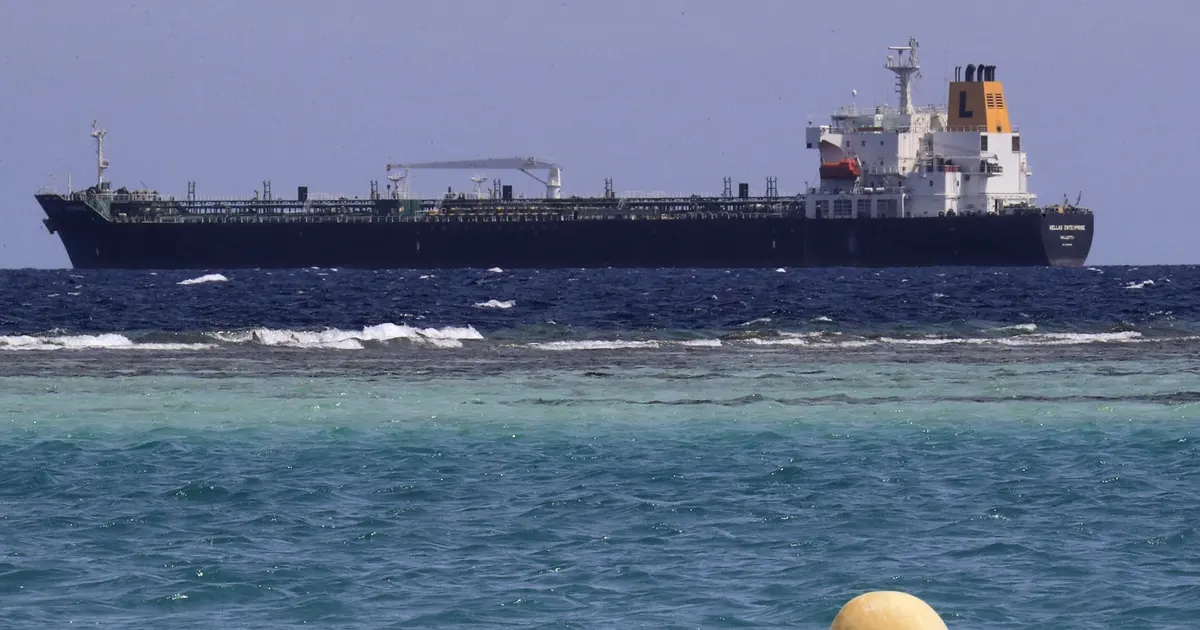
A vessel operated by Malaysia's national oil and gas company Petronas has been authorised to proceed through the Red Sea, with the ship expected to dock in Melaka next month, marking a significant development as regional shipping lanes remain under scrutiny due to escalating security concerns. The clearance represents an important milestone for Malaysian maritime commerce and energy sector operations amid volatile circumstances that have disrupted global trade patterns and raised questions about the safety of one of the world's most critical shipping corridors.
Prime Minister Anwar Ibrahim has seized upon the development as validation of Malaysia's foreign policy philosophy, describing it as evidence that the nation's carefully calibrated approach to international relations yields tangible benefits. The Prime Minister's remarks underscore how his administration views diplomatic engagement and measured positioning on regional and global issues as instrumental to protecting national interests and maintaining operational continuity for critical national enterprises. This perspective reflects a broader strategic vision that prioritises Malaysia's economic stability and trade relationships over ideological alignment with any single power or bloc.
The Red Sea remains a focal point of international concern following a series of incidents that have threatened maritime security and disrupted shipping operations. The waterway connects some of the world's busiest trade routes and serves as a vital conduit for oil, liquefied natural gas, and consumer goods flowing between Europe, Asia, and beyond. Any disruption to this passage reverberates across global supply chains, with particular consequences for energy-dependent economies throughout Southeast Asia. Malaysia's reliance on stable maritime corridors for both imports and exports makes developments affecting Red Sea transit directly relevant to the nation's economic welfare.
For Petronas, the clearance represents the resumption of critical energy transport operations that support Malaysia's role in global energy markets. The company has significant downstream operations and participates in international exploration and production ventures that depend on reliable maritime routes. Any sustained disruption to transit through the Red Sea could increase operational costs, delay project timelines, and affect Malaysia's competitiveness in international energy markets. The vessel's clearance therefore carries implications extending beyond a single shipment to encompass Malaysia's broader positioning in global energy commerce.
Anwar Ibrahim's emphasis on prudent foreign policy reflects the Malaysian government's commitment to maintaining equidistant relationships with major powers and avoiding excessive dependence on any single strategic partner. This balancing act has become increasingly consequential as geopolitical competition intensifies across the Indo-Pacific region. By demonstrating that measured diplomacy can secure operational advantages for national corporations, the Prime Minister reinforces the legitimacy of his administration's approach to international engagement. The incident provides a concrete example of how diplomatic sophistication can translate into practical benefits for Malaysia's economic actors.
The vessel's expected arrival in Melaka next month will provide an opportunity to monitor how shipping patterns are normalising despite ongoing regional tensions. Melaka, historically significant as a major port city and strategic point along crucial sea lanes, remains central to Malaysian maritime commerce. The port's continued functionality and ability to receive large shipping operations demonstrates the resilience of regional infrastructure and Malaysia's capacity to maintain commercial activity despite broader security challenges. The timing of the arrival may also carry symbolic significance for Malaysia's shipping and energy sectors.
Malaysia's experience with the Red Sea clearance reflects broader challenges facing shipping companies and energy producers operating in contested maritime spaces. Companies must navigate complex security assessments, insurance requirements, and regulatory frameworks that vary depending on geopolitical circumstances and the nationality of vessels and cargo. Malaysian entities have demonstrated particular interest in maintaining freedom of navigation principles and opposing any restrictions on legitimate maritime commerce, reflecting the country's geographic dependence on sea lanes and its historical experience as a major maritime nation.
The Prime Minister's statement highlights how individual commercial decisions by major national enterprises become extensions of diplomatic positioning in an interconnected global system. When Petronas operates vessels through contested waters, the company's safety record, insurance coverage, and operational success become measures of Malaysia's diplomatic effectiveness. This dynamic creates pressure on the government to maintain international relationships that facilitate commercial operations while avoiding entanglement in regional conflicts. Anwar Ibrahim's framing of the Petronas clearance as vindication of prudent foreign policy attempts to demonstrate that this balancing act yields concrete results.
Looking forward, Malaysia's approach to Red Sea transit and similar maritime security issues will likely continue reflecting the nation's broader diplomatic philosophy. Rather than adopting positions aligned strictly with Western security concerns or alternative power blocs, Malaysia has indicated preference for independent assessment of risks and commercial opportunities. This posture requires constant diplomatic engagement to maintain relationships with multiple stakeholders and ensure Malaysian interests receive adequate protection. The Petronas vessel's clearance suggests that this approach, at least in this instance, has succeeded in navigating complex diplomatic terrain while maintaining critical commercial operations essential to national economic interests.

