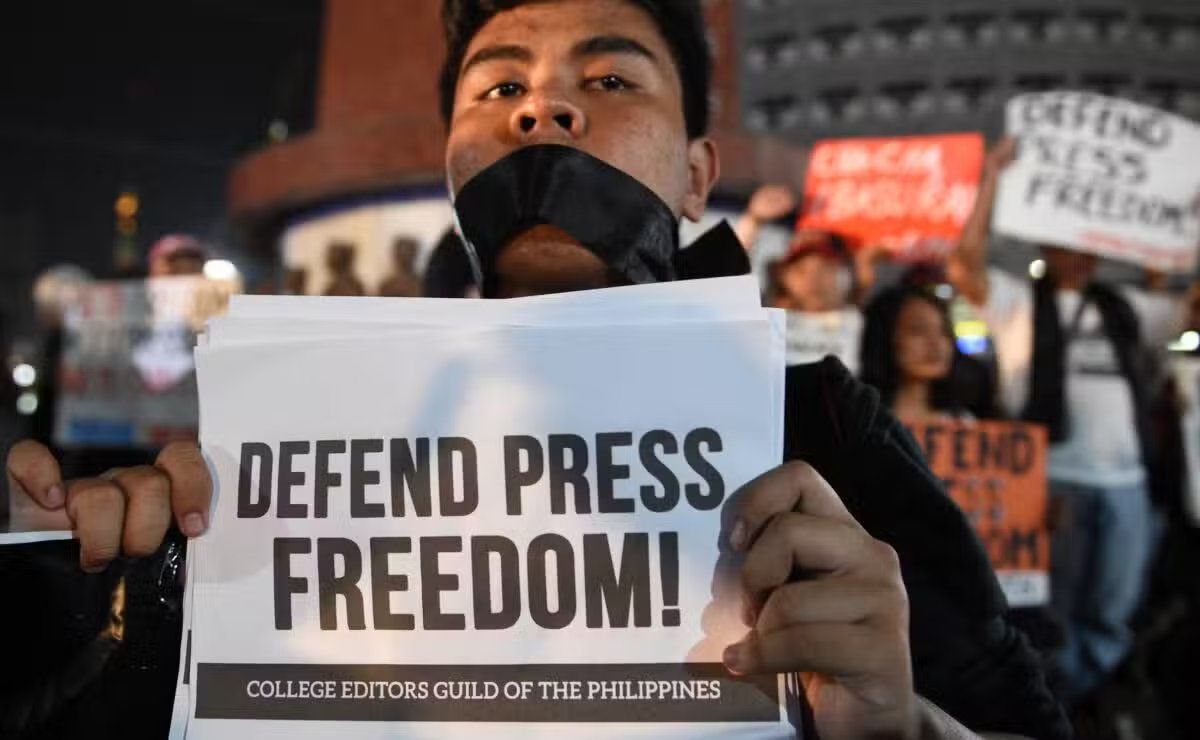
The Philippines is witnessing a troubling surge in attacks against journalists, with the National Union of Journalists of the Philippines documenting approximately 260 incidents of press harassment and violence during President Ferdinand Marcos Jr.'s tenure. Yet beneath these stark numbers lies a more disturbing reality: the violence disproportionately targets the most vulnerable segment of the media landscape — small-town reporters, radio broadcasters, and journalists working for alternative outlets and campus publications rather than Manila-based newsrooms.
Analysis of the documented cases reveals that more than 180 attacks have targeted journalists from local newspapers, provincial radio stations, and independent media organisations. This pattern exposes a critical vulnerability in the Philippines' media ecosystem. Community journalists operate with severely constrained resources, earn substantially lower salaries than their metropolitan counterparts, and lack the institutional protection and security infrastructure that larger news organisations can provide. The disparity between risk and compensation has become stark: many provincial journalists face genuine threats to their lives while earning modest wages insufficient to offset the dangers they encounter.
The concentration of attacks on community-based journalists reflects broader pressures on press freedom in the archipelago. Working outside major urban centres means reporting from environments where local political and business interests exercise considerable influence. Provincial journalists often cover stories that powerful local figures would prefer to suppress — tales of corruption, misuse of public funds, and abuse of power that rarely gain traction in national media. These reporters must function as both watchdogs and community members, a dual role that significantly amplifies their vulnerability. They cannot simply relocate to escape threats; their reporting emerges from the communities where they live, work, and raise families.
The case of Jay Lavapiez, a 48-year-old radio broadcaster and station manager of Baskog Radyo in Roxas City, Capiz, exemplifies the precarious situation facing provincial journalists. In June, gunmen on a motorcycle blocked his vehicle and fired four rounds from a 9 millimetre pistol in a clear assassination attempt. The incident was not random violence but rather appeared connected to his journalism — Lavapiez and his wife, India, had been subjected to systematic harassment stemming from reports they filed about a cemetery owned by a local official and allegations of corruption and abuse. Since commencing this coverage, the couple has faced multiple cyberlibel complaints filed in different jurisdictions, a tactic known as legal harassment designed to drain resources and intimidate.
Lavapiez articulated the unique pressures facing provincial journalists with particular clarity. Unlike reporters working for major Manila newspapers who can maintain professional distance from subjects, community journalists operate within tight-knit societies where the officials they scrutinise are often personal acquaintances and neighbours. When they question those in power, the repercussions are immediate and multifaceted: libel suits, cybercrime charges, online harassment, physical intimidation, and sometimes armed attacks. The absence of institutional support compounds these dangers. Provincial journalists cannot rely on company security details, legal teams, or crisis management infrastructure. They face these battles largely alone, yet cannot abandon their communities without surrendering their livelihoods and identity.
The economic dimension of community journalism adds another layer of vulnerability. Provincial media workers earn substantially less than their Manila-based counterparts, creating a severe mismatch between compensation and actual risk. Lavapiez noted that salaries in provincial journalism are modest and certainly not proportional to the threats journalists face. This disparity raises uncomfortable questions about professional sustainability. How long can individuals maintain commitment to journalism when their meagre wages do not reflect the genuine dangers they confront? The low pay reflects the limited advertising revenue available to small-town publications, a structural problem that leaves community journalists particularly exposed.
Recent deaths underscore the ultimate cost of community journalism in the Philippines. In April, community journalist RJ Ledesma was killed during a military operation in Toboso, Negros Occidental while conducting reporting on renewable energy initiatives and their agricultural impacts. Ledesma was among 19 people killed in what a fact-finding mission condemned as involving serious violations, including alleged indiscriminate firing by military personnel despite reportedly having clear visibility of the scene. His death represents not merely the loss of a journalist but the silencing of voices reporting on issues affecting ordinary agricultural communities. Such incidents have a chilling effect throughout provincial newsrooms, discouraging coverage of sensitive topics and effectively limiting access to information for rural populations.
The targeting of community journalists has profound implications for democratic accountability in the Philippines. National newspapers and broadcast networks concentrate on Metro Manila and major provincial capitals, leaving vast rural and semi-urban areas with limited independent news coverage. Community journalists fill this critical gap, documenting local corruption, official misconduct, and development issues that larger outlets overlook. When these journalists face intimidation, prosecution, and violence, entire communities lose access to information about matters directly affecting their lives. The democratic deficit widens — citizens in provincial areas find themselves without reliable sources of accountability journalism, unable to scrutinise local officials and powerful figures operating with relative impunity.
Lavapiez's perspective on his profession reveals the ideological commitment sustaining community journalism despite its hazards. He emphasised that community journalism has never been primarily motivated by financial gain. Rather, journalists in provinces continue their work because someone must ask difficult questions when public money is involved and ordinary citizens feel voiceless before entrenched power structures. This commitment springs from genuine civic purpose rather than career advancement or financial reward. Yet this idealism does not protect journalists from harassment, prosecution, or violence. The irony Lavapiez identifies is stark: the closer journalists are to their communities, the more vulnerable they become, precisely because everyone knows where they work, live, and who they are. Proximity that enables accountability journalism simultaneously enables those threatened by that journalism to locate and target practitioners.
The situation facing Philippine community journalists resonates throughout Southeast Asia, where smaller nations and provincial areas frequently experience press freedom challenges without receiving international attention comparable to attacks in capital cities. The concentration of documented incidents and advocacy resources in major urban centres means that provincial press freedom crises often go unmonitored and unresolved. The Philippines' experience suggests a pattern likely replicated across the region: institutional capture and violence targeting local journalists operate with particular impunity where international oversight is minimal and local power structures face limited external scrutiny.
Moving forward, addressing press freedom in the Philippines requires recognising the specific vulnerabilities of community journalism and directing resources accordingly. National journalism organisations and international press freedom advocates must prioritise provincial journalists alongside prominent metro-based reporters. Legal protection mechanisms need to address the tactic of multi-jurisdictional harassment suits targeting provincial journalists. News organisations must develop sustainable economic models that can compensate provincial journalists adequately while protecting their security. Ultimately, Lavapiez's closing observation encapsulates the core demand: journalists simply seek the freedom to conduct their work without facing threats, harassment, prosecution, or physical harm for asking questions in the public interest. This fundamental right, seemingly elementary in democratic societies, remains contested terrain in the Philippines' provincial newsrooms.

