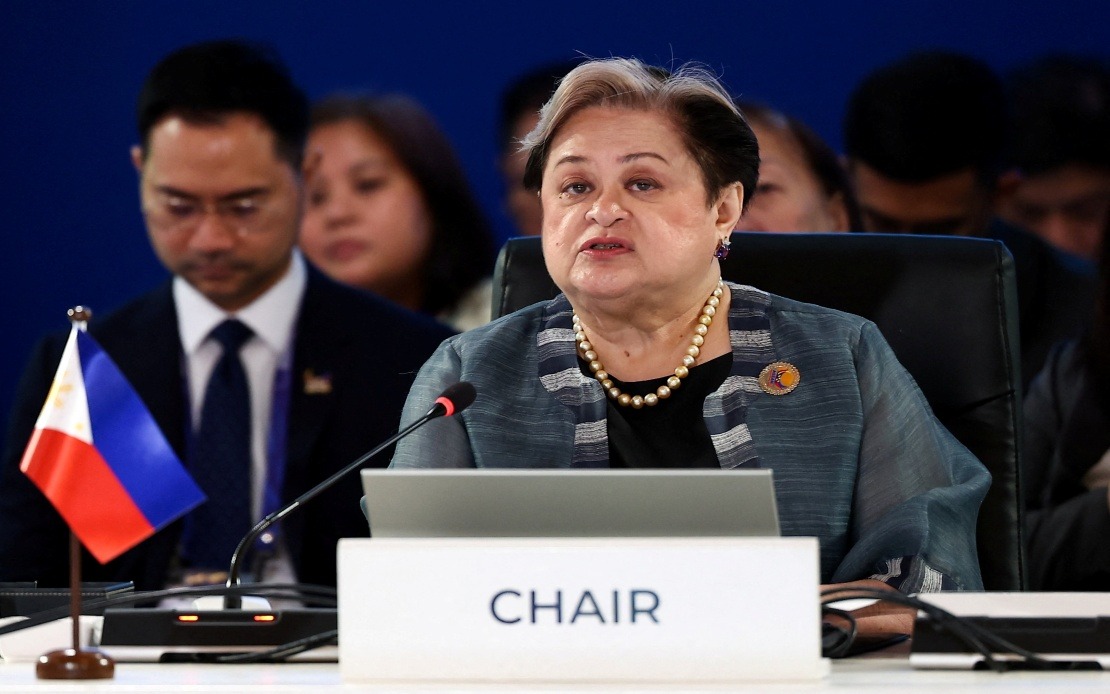
The Philippines is preparing to mount a significant humanitarian intervention in Myanmar, with Foreign Affairs Secretary Ma. Theresa Lazaro set to lead the operation as the Association of Southeast Asian Nations (ASEAN) chair's special envoy. The mission, planned for the final quarter of 2026, represents a renewed effort by the regional bloc to address the severe humanitarian crisis unfolding across Myanmar while simultaneously pursuing broader diplomatic objectives tied to the country's political trajectory.
Lazaro's commitment to undertaking this mission emerged following intensive bilateral and multilateral consultations held in Thailand on July 12 and 13. During these meetings, the Philippine envoy engaged extensively with foreign ministers from across Southeast Asia as well as representatives from Myanmar's government, ethnic armed organisations, and key political stakeholders. The Department of Foreign Affairs confirmed that the proposal has secured backing from all parties involved, suggesting a rare degree of consensus on the approach despite the fractious nature of Myanmar's political landscape.
The humanitarian mission carries particular significance because it aims to expand humanitarian access to regions within Myanmar that are currently underserved or unreachable through conventional channels. Myanmar's protracted conflict, which intensified following the 2021 military coup, has severely disrupted aid distribution networks and displaced millions of people. The deteriorating security situation across large swathes of the country has left vulnerable populations—particularly in conflict zones and minority-controlled areas—increasingly isolated from essential medical care, food supplies, and shelter assistance.
Crucially, Lazaro's engagement with Myanmar Foreign Minister U Tin Maung Swe focused on advancing the Five-Point Consensus (5PC), an ASEAN-endorsed framework established to guide Myanmar's political transition. The envoy emphasised during their discussion that Myanmar must follow through on implementing specific action points within this consensus while simultaneously working toward normalising relations with the regional organisation. The 5PC, initially adopted by ASEAN in 2021, has been central to the bloc's strategy, though progress on implementation has remained limited and contentious.
A significant milestone in these diplomatic efforts was Lazaro's chairing of an informal meeting bringing together ASEAN foreign ministers with U Tin Maung Swe—notably, the first such in-person gathering since 2021. During this session, Myanmar's foreign minister provided updates on his government's 100-day peace plan and its efforts to combat transnational crimes, issues of substantial concern to the broader Southeast Asian region. The emphasis on controlling transnational criminal activities reflects growing anxiety within ASEAN about Myanmar becoming a haven for human trafficking, drug smuggling, and other organised crime networks that threaten regional stability.
ASEAN foreign ministers collectively reaffirmed their position that the Five-Point Consensus remains essential to resolving Myanmar's crisis, signalling that despite frustrations with limited progress, the regional bloc remains committed to this diplomatic framework. This reiteration serves as both encouragement and subtle pressure on Myanmar's government to demonstrate tangible commitment to the consensus principles, particularly around achieving a genuine ceasefire and facilitating inclusive political dialogue.
Equally important to the government-level discussions were Lazaro's meetings with representatives of Myanmar's ethnic armed organisations (EAOs) and the National Solidarity and Peacemaking Negotiation Committee on July 13. These conversations underscored ASEAN's recognition that any sustainable political solution must incorporate the perspectives and participation of Myanmar's diverse ethnic groups, many of whom have been historically marginalised or in armed conflict with central authorities. The envoy specifically explored pathways toward establishing what all parties referred to as an "inclusive national political dialogue," a formulation that suggests movement toward broader-based negotiations.
The receptiveness demonstrated by all stakeholders to the dialogue process, according to DFA statements, provides some optimism for Myanmar's political future. Both armed opposition forces and government representatives acknowledged the necessity of constructive engagement and emphasised that thorough preparation would be essential for any future talks. This measured consensus suggests that despite profound distrust and ongoing violence, there exists at least rhetorical agreement that dialogue remains preferable to indefinite conflict.
For Malaysia and other Southeast Asian nations, the planned humanitarian mission carries direct implications. Myanmar's instability has already displaced hundreds of thousands of people, many of whom have sought refuge in neighbouring countries including Thailand, Bangladesh, and potentially Malaysia. Humanitarian improvements within Myanmar could help prevent further refugee flows and reduce pressure on the region's already-strained asylum systems. Additionally, the mission demonstrates ASEAN's continuing effort to position itself as a constructive regional actor capable of bridging divides and coordinating collective responses to crises affecting member states.
The timing of this mission—planned for late 2026—suggests a measured approach reflecting realistic assessment of on-the-ground conditions. Current security assessments indicate that Myanmar's conflict shows few signs of rapid resolution, meaning the humanitarian needs will likely remain acute through 2026 and beyond. By anchoring the mission to a specific timeframe while securing stakeholder buy-in now, ASEAN is attempting to build momentum for an initiative that could set precedents for future humanitarian interventions within the bloc.
Lazaro's leadership role in coordinating this mission also represents an assertion of Philippines prominence within ASEAN during its current chairmanship. By positioning the country as the facilitator of this humanitarian intervention, Manila is strengthening its diplomatic footprint and demonstrating commitment to regional stability. This approach aligns with broader Philippine foreign policy objectives emphasising engagement with Southeast Asia and multilateral problem-solving through ASEAN mechanisms.
Moving forward, the success of this humanitarian mission will depend significantly on the security environment within Myanmar and the continued cooperation of all stakeholders. Any escalation in conflict or breakdown in the government's cooperation with the Five-Point Consensus framework could complicate or delay the operation. Nevertheless, the current diplomatic momentum and stated commitment from multiple parties suggests that preparations for the mission will likely accelerate through 2025 and into 2026, with detailed operational planning expanding in coming months.

