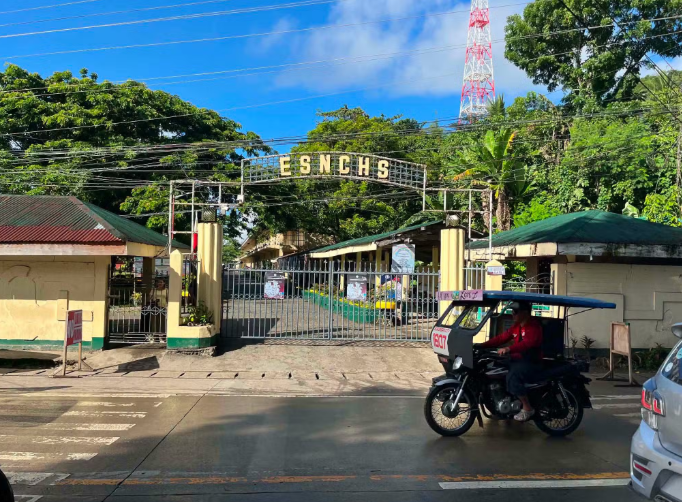
The Philippines continues to grapple with campus security crises, with Eastern Samar National Comprehensive High School (ESNCHS) in Borongan City becoming the latest institution to suspend operations following credible threats of violence. On Friday, July 3, the school's administration halted all classes after discovering online posts allegedly originating from Grade 11 Kitchen Operations students that contained references to bombs and firearms, prompting an immediate security lockdown and police intervention.
The timing of the threat underscores a deeply troubling pattern of escalating violence in Philippine educational institutions. Just days before the ESNCHS incident, a shooting rampage at San Jose National High School in Tacloban City left three students dead and twenty others wounded when an armed student opened fire on campus. That tragedy on June 22 sent shockwaves through the Eastern Visayas region, fundamentally altering how school administrators and law enforcement approach security protocols. The proximity of these two incidents—separated by less than two weeks—has created palpable anxiety among educators, parents, and students across the province, raising urgent questions about whether existing safeguards are sufficient to prevent further loss of life.
Acting School Head Dean Ernest Paul Hermano authorised the immediate suspension after consultation with the Borongan City Police Station, which recommended closure as a precautionary measure to protect the approximately 3,000 students and staff members who attend the institution daily. ESNCHS holds significant status within Eastern Samar's education system as both the largest public secondary school in the province and the flagship institution serving pupils from Borongan City and surrounding municipalities. The scale of the potential impact—affecting thousands of families and disrupting the academic calendars of an entire region—underscores why administrators took the threat seriously regardless of whether it proved credible.
Security forces responded with appropriate urgency to the reports. A Special Weapons and Tactics (SWAT) team was deployed to the campus to conduct thorough inspections of all areas referenced in the online posts. The operation proceeded methodically, with officers examining potential threat locations and securing vulnerable zones. By 8:35 a.m. that same morning, Polltcol Silver Cabanillas, acting chief of the Borongan City Police Station, officially declared the campus free of any explosive devices or armed individuals, indicating that the swift response had effectively neutralised any immediate danger.
Yet the clearance does little to address the underlying crisis affecting Philippine schools. The incident at ESNCHS joins a growing list of security threats reported across Eastern Visayas in recent days, suggesting a worrying pattern rather than isolated incidents. Some observers speculate that copycat threats may emerge following high-profile school shootings, as disturbed individuals seek attention or wish to cause disruption. Others point to inadequate mental health services and the ease with which young people can amplify threats through social media as contributing factors. Whatever the root causes, the convergence of multiple threats has forced educational authorities to recalibrate their emergency response frameworks.
Coordination between education officials and law enforcement appears to be functional, at least at the operational level. The suspension decision involved consultation between the school's administration, the Borongan City Police Station, the Office of the Schools Division Superintendent, and the Assistant Schools Division Superintendent at the Department of Education's Borongan City Division. This multi-agency approach ensures that decisions reflect input from security specialists, education administrators, and division-level oversight. However, such coordination remains reactive—responding to threats after they materialise rather than preventing them from occurring in the first place.
The investigation into the ESNCHS threat remains ongoing, with authorities yet to identify who created and shared the alarming online posts. The fact that the messages allegedly originated from Grade 11 Kitchen Operations students suggests the source may be traceable, though determining whether the original posters intended genuine harm or were simply engaging in reckless teenage provocation represents a critical investigative question. The distinction carries implications for how the justice system handles the eventual suspects, particularly if they prove to be minors acting without genuine intent to commit violence.
For Malaysian readers and Southeast Asian observers, the Philippine experience offers cautionary lessons about the vulnerability of educational systems to coordinated threats and the challenge of distinguishing credible warnings from hoaxes in an age of social media. The incident also highlights how a single act of violence can reverberate through an entire region's security consciousness, leading schools to treat subsequent threats with maximum seriousness regardless of their actual probability. This defensive posture, while justified in the aftermath of tragedy, imposes substantial costs through disrupted education and psychological stress on students and families.
School administrators across the Philippines and the broader Southeast Asian region now face difficult balancing acts between maintaining normal operations and protecting students from potential harm. The ESNCHS closure will ultimately cost students instructional time, disrupting lesson plans and examination preparation schedules. Yet the alternative—continuing classes while unverified threats remain uninvestigated—would expose administrators to potentially catastrophic liability and public criticism should any threat prove credible. This dilemma will likely persist until underlying factors driving school violence and threat-making behaviour are effectively addressed through comprehensive approaches encompassing mental health support, social media monitoring, and strengthened reporting mechanisms that distinguish genuine threats from pranks or cries for attention.

