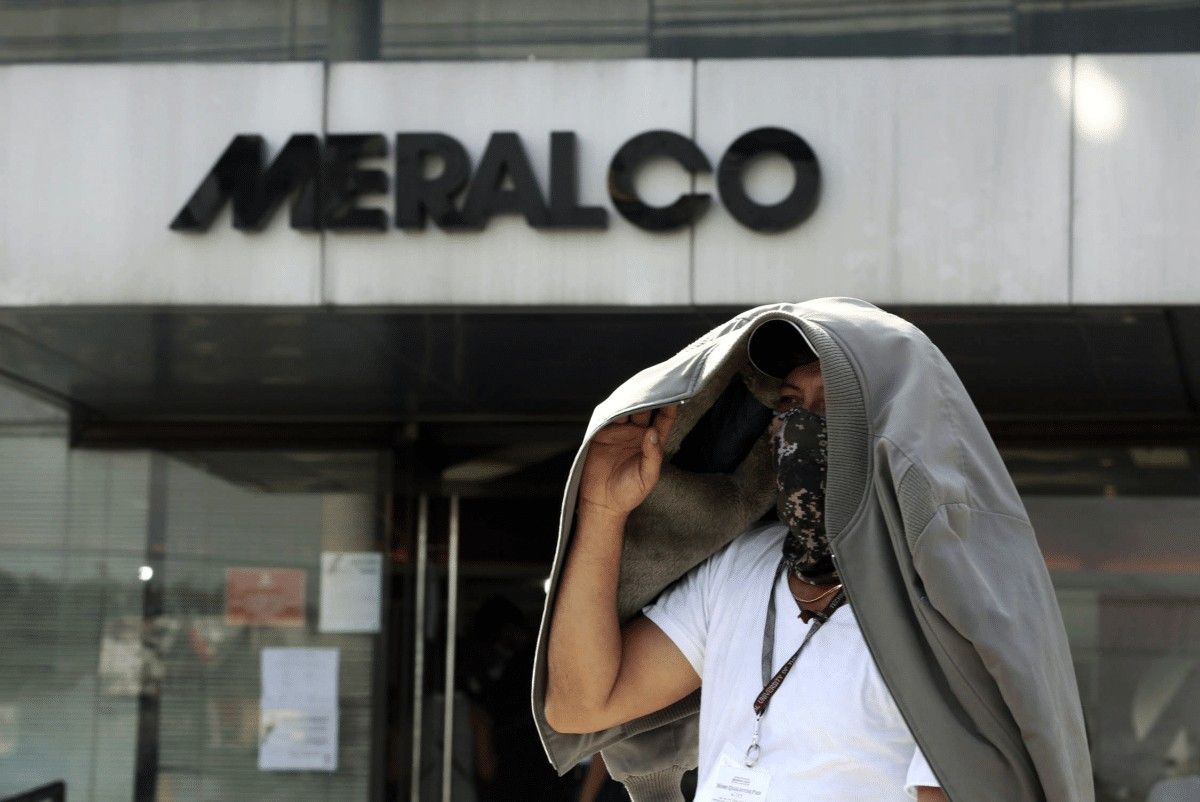
Manila's power consumers will receive substantial relief from their electricity bills after the Philippine Energy Regulatory Commission directed Meralco to distribute ₱9.5 billion in refunds, addressing what regulators determined were excess charges collected during a period when outdated rate structures remained in effect. The decision, issued on July 31, represents a significant intervention by the country's energy watchdog to protect consumer interests and ensure that power tariffs reflect current operational costs rather than outdated regulatory frameworks.
The refund translates to ₱0.3449 per kilowatt-hour and will be distributed to Meralco's millions of customers as a distinct entry on their monthly electricity statements within a six-month implementation window. According to ERC chair Francis Saturnino Juan, the reimbursement process will commence in the next billing cycle following the regulator's official receipt and publication of the ruling, ensuring rapid deployment of relief to households and businesses across Metro Manila and nearby provinces served by the utility.
The underlying issue stems from how Philippine electricity regulation manages the gap between rate adjustments. When a power distributor like Meralco undergoes a rate reset process—a comprehensive review typically spanning five years—the company must present detailed financial documentation, including capital expenditure plans and operational forecasts, to justify its proposed tariff structure. During the interim period before new rates take effect, consumers continue paying charges based on the previous regulatory decision, sometimes for an extended duration. This arrangement can create significant disparities between what consumers actually pay and what current costs suggest they should pay.
Meralco's situation involved what regulators termed the "lapsed period" from January through December 2025, a year-long interval when the utility collected payments exceeding what current rate reviews deemed appropriate. The Energy Regulatory Commission determined that the company accumulated what it characterized as an "over-recovery"—essentially profits beyond the reasonable margin permitted under Philippine electricity regulation. Rather than allowing Meralco to retain these excess revenues, the regulator moved to recalibrate the financial relationship between the utility and its consumers.
Regulator interest accrual factored importantly into the final refund calculation. The ERC explicitly noted that because Meralco held these excess funds throughout the lapsed period, the company benefited from what amounts to an interest-free loan from consumers. Accordingly, the Commission incorporated interest costs into the total refund amount, ensuring that customers recovered not merely the original overcharge but also the opportunity cost of those funds being unavailable to them. This methodological approach demonstrates the regulator's sophisticated understanding of financial mechanics and commitment to comprehensive consumer protection.
The rate reset mechanism itself requires utilities to justify their revenue requirements through evidence-based submissions detailing projected infrastructure investments, operating expenses, maintenance costs, and reasonable profit margins. This regulatory framework theoretically aligns consumer charges with actual service delivery costs while preventing monopolistic excess. However, lapsed periods create temporal gaps where this alignment breaks down, leaving consumers vulnerable to paying rates that no longer correspond to underlying economic realities. Meralco's situation illustrates how regulatory lag—the inevitable delay between cost changes and rate adjustments—can accumulate substantial consumer harm over extended periods.
For Southeast Asia's regional energy sector, the Philippine decision carries instructive implications about regulatory vigilance and consumer protection mechanisms. As the region's economies grow and electricity demand surges, power utilities across multiple countries face similar pressures to maintain revenue adequacy while managing infrastructure expansion. Yet regulators must simultaneously prevent monopolistic rent-seeking and ensure tariff structures reflect genuine service costs. The Philippine approach, with its explicit interest calculations and mandatory refund mechanisms, represents one model for addressing these tensions, though implementation effectiveness ultimately depends on regulatory capacity and political will.
Meralco's status as the country's dominant power distributor amplifies the significance of this decision. The utility serves approximately 7.8 million consumers across the National Capital Region and nearby provinces, making it a crucial lifeline for household electricity access and industrial operations throughout one of Asia's most economically dynamic metropolitan areas. When a utility of this scale collects excess revenues, the aggregate impact on consumer welfare becomes substantial, affecting everything from household budgets to commercial competitiveness. A ₱9.5 billion refund represents meaningful purchasing power returning to millions of ordinary Filipinos.
The implementation methodology—structuring the refund as a separate line item on consumer bills—carries practical advantages beyond mere transparency. By displaying the refund distinctly rather than incorporating it into base rate calculations, the ERC ensures consumers recognize the regulator's intervention on their behalf. This visibility may strengthen public confidence in regulatory institutions and demonstrate that consumer protection mechanisms function even within a monopoly framework. During periods of broader discourse about utility pricing and energy affordability, such tangible actions by regulators help legitimize the regulatory process.
Looking ahead, the decision may influence how other regulatory bodies across the region approach similar lapsed period situations. Philippine utilities considering future rate reset filings will now incorporate anticipated interest liabilities into their financial planning. Other Southeast Asian countries, where electricity sector regulation remains less mature or more vulnerable to utility influence, might examine the Philippine approach as a reference point for protecting consumer interests without discouraging necessary utility investment.
The broader context of Philippine electricity regulation reveals ongoing tension between ensuring utilities maintain financial health sufficient for infrastructure expansion and preventing consumer exploitation through monopoly pricing. Infrastructure investment demands are genuine—population growth, industrial expansion, and renewable energy integration all require substantial capital deployment. Yet these legitimate utility needs cannot justify keeping consumers on outdated rate structures longer than administrative processes necessitate. The ERC's decision attempts to navigate this tension by enforcing temporal discipline: regulators will periodically correct rate disparities through refunds while maintaining the overall regulatory framework necessary for utility viability and system reliability.

