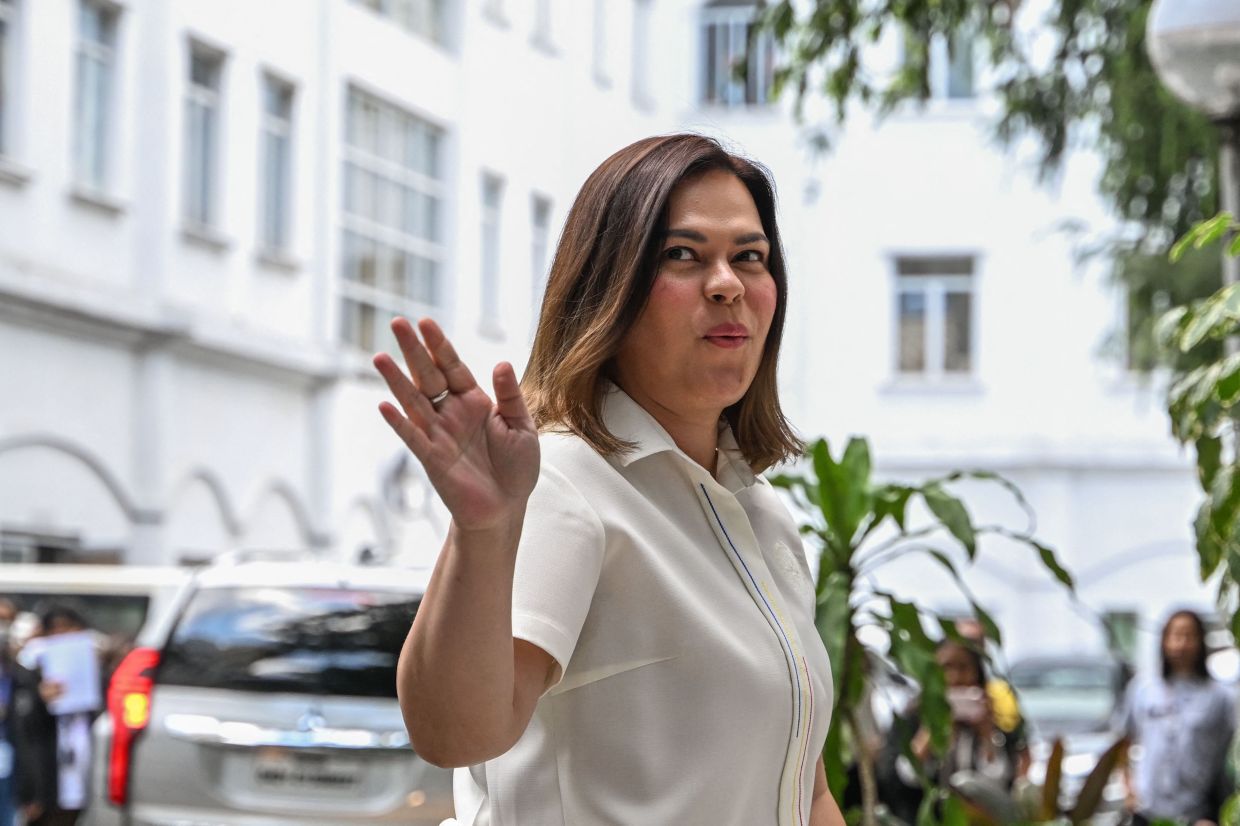
Vice President Sara Duterte is out of the Philippines until the end of July while facing impeachment charges, according to confirmation from the presidential palace on Tuesday. The Office of the Executive Secretary, acting on behalf of President Ferdinand Marcos Jr, authorised her extended foreign travel spanning from July 16 through July 31 across a diverse itinerary of nations. Palace press officer Claire Castro disclosed the approval at a regular media briefing, characterising the journey as a personal trip rather than official state business.
The approved itinerary encompasses five distinct destinations: Qatar, Germany, the United Kingdom, Northern Ireland, and the Netherlands. Duterte is currently positioned in The Hague, according to statements from her defence team during Tuesday's impeachment proceedings. Defence spokesperson lawyer Michael Poa confirmed her presence in the Dutch capital at a press conference held before the day's trial session commenced, though he indicated her return would occur in the near term.
The timing of the foreign departure raises questions about the political dynamics surrounding Duterte's impeachment case. Her absence from Manila during active trial proceedings is particularly noteworthy given the significance of the charges and the ongoing proceedings scheduled in her chamber. However, she remains represented by her legal team, which has been appearing at trial sessions on her behalf, maintaining continuity in her defence even during her international absence.
Duterte's choice to visit The Hague appears directly linked to her father's legal predicament. Former President Rodrigo Duterte has been held in detention since March of the previous year awaiting trial proceedings scheduled for November 30 before the International Criminal Court. The ICC is investigating her father on charges of crimes against humanity stemming from the extrajudicial killings that occurred during the Philippines' controversial anti-drug and anti-criminal campaigns spanning 2011 to 2019.
The detention of the former president followed Philippine authorities' arrest of him in March 2025 pursuant to an International Criminal Court order. The charges specifically allege that Rodrigo Duterte functioned as an indirect co-perpetrator in the systematic killings programme that characterised his administrations as Davao City mayor and subsequently as President of the Republic. The scope and scale of the alleged violations remain subjects of international scrutiny and regional concern within Southeast Asia.
The approval for Sara Duterte's journey by the current administration represents an interesting political calculation. While she faces serious domestic charges through the impeachment process, the executive branch has nonetheless facilitated her ability to attend to family matters abroad. This decision reflects the complex institutional dynamics between her office and the Marcos administration, despite the gravity of the proceedings against her.
For Malaysian observers and readers across Southeast Asia, the situation underscores the intricate intersection of family obligations, international legal accountability, and domestic political processes. The Duterte family's continued entanglement with ICC investigations represents a significant development in the region's relationship with international justice mechanisms. The Philippines' role in cooperating with the ICC, while simultaneously navigating complex domestic political challenges, carries implications for how other nations in the region approach questions of international law and accountability.
The presence of a sitting vice president in The Hague during her father's ICC detention pending trial highlights the personal costs of political leadership and international legal scrutiny. Duterte's decision to prioritise her family's circumstances during this critical juncture reflects the ongoing emotional and political dimensions underlying the formal proceedings that dominate headlines. The defence team's assurance that she would return promptly suggests her international absence will be temporary, though substantive implications for her impeachment trial remain to be determined upon her resumption of engagement with domestic legal processes.
The broader context of this situation involves the Philippines' evolving engagement with international legal institutions and the precedent being established regarding high-ranking officials' accountability. The impeachment process proceeding simultaneously with her father's ICC trial creates a unique moment in Philippine legal history, with implications extending throughout a region increasingly focused on issues of democratic governance and the rule of law. How these parallel processes unfold will likely influence regional perceptions of institutional strength and consistency within the Philippines' democratic framework.
The approval of Duterte's foreign travel, despite the domestic legal challenges she faces, also reflects practical considerations regarding her rights and freedoms as an individual. While impeachment represents a serious constitutional process, it does not generally restrict a person's freedom of movement or ability to travel internationally. The decision to permit her journey therefore maintains formal consistency with established legal principles, even as it raises broader questions about the political optics and strategic considerations informing such approvals during periods of acute institutional tension.

