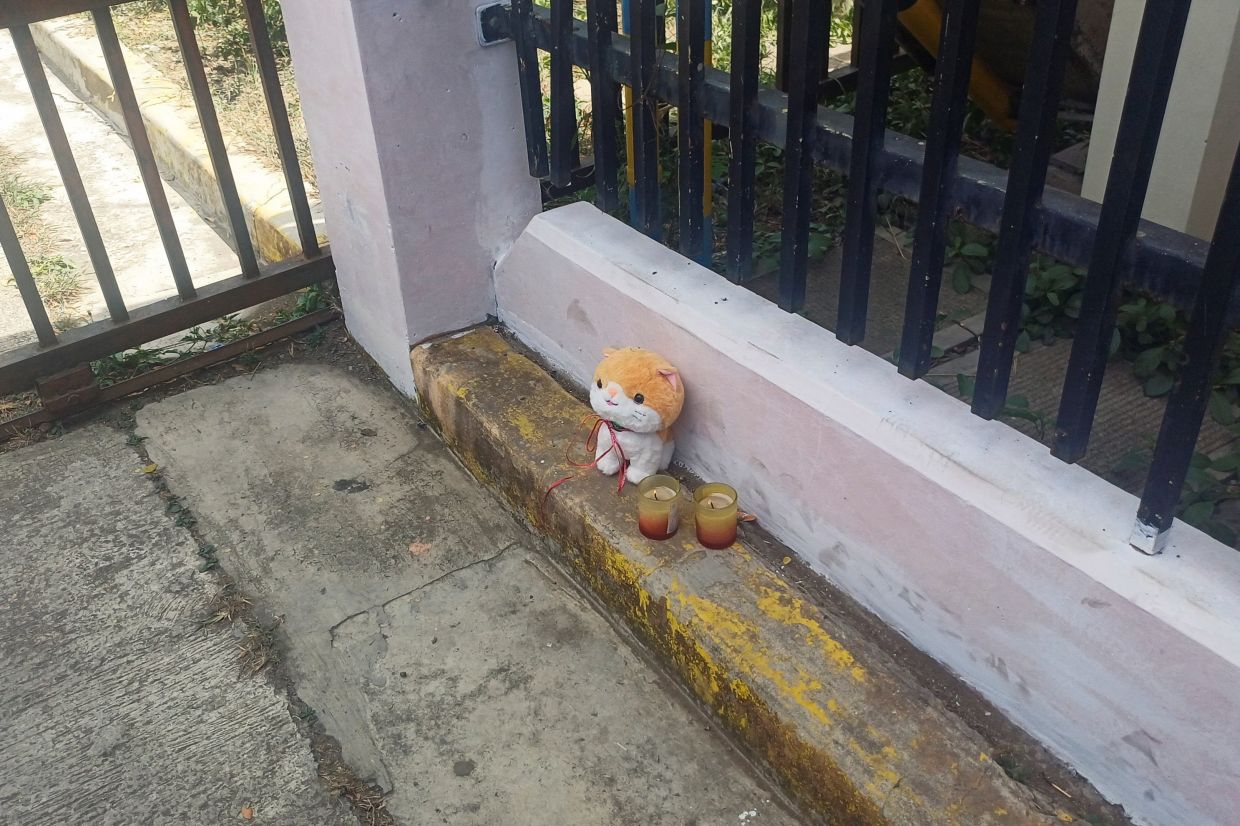
The killing of two students at a Zamboanga City school this week has thrust Philippine policymakers into an urgent reassessment of how to safeguard young people against violence, with attention focusing on the role of social media platforms and the oversight of civilian firearm ownership. The incident, in which a Grade 8 student fatally shot his classmates before taking his own life, was livestreamed using a body-worn camera—a detail that has galvanised calls for stricter online regulations alongside existing demands for tighter gun control measures.
Education Secretary Sonny Angara visited the Ateneo de Zamboanga University campus following the attack, underscoring official concern about the tragedy's implications for school safety across the nation. What struck Angara most was that the perpetrator had given no outward indication of being a risk; teachers described him as academically accomplished and well-behaved, presenting a sobering reminder that warning signs of potential violence are not always visible through conventional institutional observation. His remarks highlighted the gap between a student's academic performance and their psychological state, raising uncomfortable questions about how thoroughly educational institutions understand the mental health conditions of their charges.
Angara's analysis went beyond the physical security infrastructure that schools typically deploy. While fences, closed-circuit cameras, and metal detectors form a defensive perimeter, he argued that genuine prevention of school violence must rest on stronger community engagement and interpersonal awareness. The Education Secretary stressed the importance of proactive outreach to vulnerable young people, suggesting that seemingly minor interactions and gestures of care could alter trajectories towards harm. This perspective reflects growing international evidence that mental health support and inclusive school cultures reduce the likelihood of catastrophic violence more effectively than hardware-based solutions alone.
The shooting marked the second such incident in Philippine schools within eight weeks, a frequency that has alarmed policymakers and society more broadly given that school shootings remain uncommon in Southeast Asia by global standards. Two additional students sustained injuries in the attack, and the toll extends beyond those directly harmed to the broader climate of fear now affecting educational communities nationwide. The rarity of such events in the Philippines makes their recurrence particularly shocking and politically consequential, providing ammunition to advocates of preventive legislative change.
Senate President Sherwin Gatchalian has seized on the livestreaming aspect as a focal point for legislative action, proposing a law that would bar children younger than 16 from accessing social media platforms. His reasoning centres on the observation that graphic footage of the attack spread rapidly through digital channels, potentially desensitising viewers to violence and creating a template that might inspire imitative incidents. The concern reflects a growing conviction among policy circles that unrestricted youth access to unmoderated content, particularly video documentation of real-world attacks, poses risks distinct from traditional media consumption.
Parent reactions captured in the aftermath reveal the compounding anxiety created by social media's uncontrolled dissemination of information during crises. One mother whose daughter attends a separate Ateneo campus noted that conflicting reports, graphic videos, and unverified claims spread through school group chats and social platforms faster than official communications could clarify events. She drew a parallel to the established ratings systems for television and cinema, arguing that similar content governance mechanisms should extend to digital platforms—an observation that points towards the possibility of industry self-regulation or government-mandated classification standards as potential policy responses.
Parallel to the social media discussion, firearms regulation has emerged as a critical avenue for prevention. Interior Secretary Jonvic Remulla has called for enhanced penalties against gun owners whose weapons fall into minors' hands, alongside broader reforms to the legal framework governing civilian firearm possession. The shooter in this case accessed his father's firearms, including a .40-calibre pistol issued by the Bureau of Customs, highlighting a troubling gap between institutional possession requirements and household security practices. This detail suggests that tightening regulations must extend beyond initial licensing to encompass storage obligations and accountability mechanisms that prevent family members from acquiring weapons.
Investigative work remains ongoing as police attempt to reconstruct the sequence of events and establish the shooter's motivation. Forensic examination of the student's electronic devices is underway, and authorities are working to understand how he obtained access to the weapons and what circumstances or communications may have preceded the attack. The fifth-floor location where police recovered his body, bearing a gunshot wound consistent with self-infliction, suggests a planned endpoint to the violence rather than a spontaneous act. This deliberation raises troubling questions about whether warning signs existed in the student's digital footprint or social interactions that went undetected.
For Malaysia and other Southeast Asian nations, the Philippine situation offers instructive lessons about emerging threats in rapidly digitising societies. While school violence remains statistically rare across the region, the confluence of widespread social media access, unsecured firearm ownership, and adolescent mental health challenges creates conditions that demand proactive governance. The Philippine case demonstrates that strong academic performance offers no immunity against violent ideation, challenging assumptions that institutional oversight and parental supervision inherently prevent catastrophe.
The policy responses taking shape in Manila—ranging from age-gated social media restrictions to revised gun owner accountability standards—represent competing visions of prevention: one emphasising technological and regulatory barriers to content, the other focusing on individual responsibility and institutional oversight. Neither alone appears sufficient. The Education Secretary's emphasis on community care and early intervention suggests that sustainable prevention requires integrating mental health support, teacher training, peer awareness programmes, and accessible counselling alongside content controls and firearm regulations.
Moving forward, Philippine legislators face pressure to craft measures that address root causes rather than mere symptoms. The convergence of social media access, firearm availability, and inadequate mental health infrastructure creates a toxic combination that no single policy lever can fully defuse. The challenge for the Philippines—and by extension for Malaysia and other regional neighbours—lies in building systemic resilience that combines effective content governance, responsible gun ownership frameworks, and investment in youth mental wellbeing, recognising that each element depends on the others for genuine effectiveness in preventing future tragedies.

