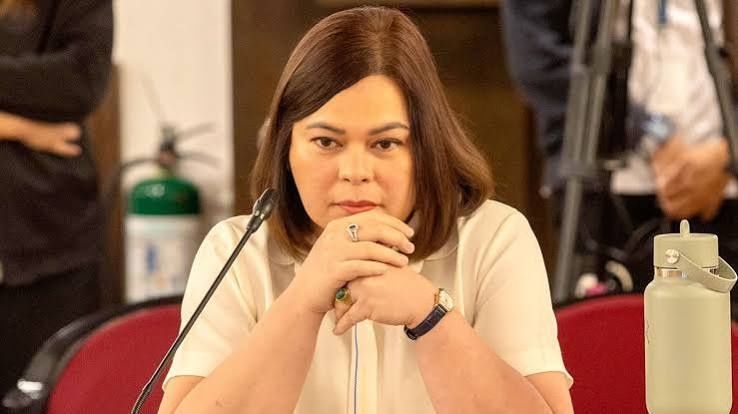
The Philippine National Police announced on Friday that it will position approximately 6,000 officers throughout Manila's Senate precinct and adjacent zones as Vice President Sara Duterte prepares to face an impeachment trial beginning Monday. The deployment represents one of the most substantial security operations in recent Philippine legislative history, reflecting both the high-profile nature of the proceedings and authorities' determination to maintain order during what promises to be a politically charged and closely watched event.
The Senate impeachment court issued a directive on Thursday requiring the Vice President to appear for the trial, with the option of attending in person or being represented by legal counsel. This formal summons sets the stage for what could fundamentally alter the Philippine political landscape, particularly as the nation approaches the 2028 presidential election cycle. The proceedings carry extraordinary constitutional weight, as a conviction would result not merely in her removal from office but in permanent disqualification from holding any public position for life.
Authorities in Pasay City, where the Senate complex is situated within Metro Manila's administrative boundaries, have announced that various roads in the vicinity will be subject to temporary closure beginning Monday. These traffic restrictions aim to facilitate the security operation and manage the anticipated congestion that accompanies such high-stakes legislative proceedings. Local media reports indicate that residents and commuters should anticipate significant disruptions to normal traffic patterns throughout the trial period.
The security posture reflects broader concerns about maintaining institutional stability during a moment of intense political division. The 6,000-officer deployment encompasses not only immediate Senate surroundings but extends to surrounding areas, creating a comprehensive security perimeter designed to prevent unauthorised access and contain any potential unrest. Police leadership has emphasised their commitment to conducting the trial environment in a manner that is simultaneously secure and peaceful, balancing the need for public order against the democratic imperative that such proceedings remain open and accessible to legitimate observers and media.
Sara Duterte, the daughter of former President Rodrigo Duterte who served from 2016 to 2022, announced in February her intention to contest the 2028 presidential election. Her candidacy announcement came amid growing political tensions within Philippine governance structures, and the subsequent impeachment action appears to be part of broader factional competition within the country's political elite. The timing of the trial, occurring well in advance of the presidential campaign, suggests that political calculations regarding electoral positioning may be influencing the proceedings' pace and intensity.
The Office of the Vice President disclosed on Thursday that it had received an unmodified audit opinion from the Commission on Audit for the calendar year 2025. This audit determination found that the OVP's financial statements were presented fairly and demonstrated compliance with all applicable financial reporting standards. This positive audit result, however, operates independently from the impeachment trial and does not address the substantive allegations that have prompted the legislative action against the Vice President.
The COA's favourable assessment of the OVP's financial administration may complicate the impeachment narrative, as it removes questions about fiscal mismanagement from the trial's focal point. Instead, the impeachment likely centres on other grounds, which the available information does not explicitly detail. This distinction between administrative competence and the impeachment charges underscores the politically charged nature of the proceedings and suggests that the trial may pivot on constitutional interpretation, policy disagreements, or institutional power struggles rather than straightforward corruption allegations.
The impeachment process itself requires achieving a supermajority threshold for conviction. Specifically, securing the votes of more than two-thirds of the Senate membership would result in her removal and the permanent bar on future public office holding. This high constitutional hurdle means that conviction is far from automatic and depends substantially on Senate dynamics, party affiliations, and individual senators' political calculations regarding their constituencies and future trajectories.
For Malaysia and the broader Southeast Asian region, the Duterte impeachment trial carries significance beyond Philippine borders. It demonstrates how constitutional mechanisms designed to check executive power function within a major regional democracy, and it illustrates the intense factional competition that characterises Philippine politics at the highest levels. The trial may also have ripple effects throughout the region, as it involves a prominent political family whose influence extends across multiple nations in Southeast Asia and beyond.
The deployment of such substantial security resources reflects not merely procedural caution but acknowledgment of the genuine passions that the trial has aroused. The Duterte family maintains considerable popularity in the Philippines, particularly in Mindanao where the former president's political base remains formidable. Supporters of the Vice President may mobilise to demonstrate their backing, while opponents of the Duterte political project may similarly seek to make their presence felt. The police operation aims to accommodate these competing expressions of political sentiment whilst preventing confrontation.
As the trial commences, observers will scrutinise not only the legal arguments presented but also the signals that individual senators' votes send regarding factional alignments within Philippine governance. The proceedings will reveal whether institutional norms and constitutional procedures can operate effectively even when applied to the nation's highest offices, or whether political power and factional loyalty ultimately override formal legal processes.
The week ahead will test Philippine democratic institutions and the resilience of its constitutional framework. Whether the impeachment trial concludes with conviction, acquittal, or some other resolution, the outcome will reshape Philippine politics heading into the consequential 2028 presidential campaign and potentially influence the regional balance of power involving one of Southeast Asia's most strategically important nations.

