The Philippines will facilitate an unprecedented gathering of Southeast Asian foreign ministers with Myanmar's junta-appointed diplomatic leadership in Bangkok this Sunday, July 12, according to an announcement from the Department of Foreign Affairs on Friday. This informal consultation represents a significant diplomatic moment for the region, as it constitutes the first face-to-face engagement between ASEAN's collective foreign ministry and Myanmar since the military seized power in February 2021. Myanmar's Foreign Minister U Tin Maung Swe will represent the military government at the session, which underscores Manila's commitment to maintaining constructive dialogue despite the turbulent circumstances surrounding Myanmar's political situation.
The decision to convene this meeting reflects ASEAN's broader diplomatic strategy toward one of its most troubled members. Rather than isolation or confrontation, the regional bloc has opted for sustained engagement, a position that has proven contentious among Western nations and Myanmar's pro-democracy advocates. The Philippines, holding the rotating ASEAN chairmanship, has taken on the responsibility of translating the bloc's collective expectations into tangible diplomatic action. This approach aligns with the Five-Point Consensus adopted by ASEAN leaders in April 2021, which attempted to chart a middle path between engagement and pressure for concrete improvements in Myanmar's deteriorating situation.
During the gathering, the foreign ministers will hear directly from U Tin Maung Swe regarding the current conditions prevailing within Myanmar. This briefing component is critical, as it allows ASEAN capitals to assess whether the military regime intends to move toward the Five-Point Consensus goals or whether it remains entrenched in its current trajectory. The agenda appears deliberately structured to balance listening with advocacy, creating space for Myanmar to present its perspective while allowing ASEAN members to collectively voice their concerns about ongoing violence, the humanitarian crisis, and the absence of meaningful political dialogue.
The Five-Point Consensus itself represents a carefully calibrated framework that ASEAN unanimously endorsed following Myanmar's coup. The five points include cessation of violence, dialogue among all stakeholders, provision of humanitarian assistance, appointment of an ASEAN envoy for constructive engagement, and agreement that the dialogue should be facilitated by ASEAN. Nearly three years after adoption, the implementation of these points remains incomplete, with Myanmar experiencing persistent armed conflict, severe humanitarian needs, and no genuine political progress toward civilian governance or democratic restoration.
For Malaysia and other Southeast Asian nations, this meeting carries significant implications regarding the region's approach to internal crises and the viability of ASEAN's consensus-based diplomacy. Malaysia, like several other ASEAN members, has expressed frustration with Myanmar's lack of progress on the Five-Point Consensus, yet has maintained the principled position that exclusion would be counterproductive. The Bangkok meeting tests whether continued engagement can generate concrete movement or whether ASEAN's diplomatic tools have reached their limits in addressing Myanmar's intransigence.
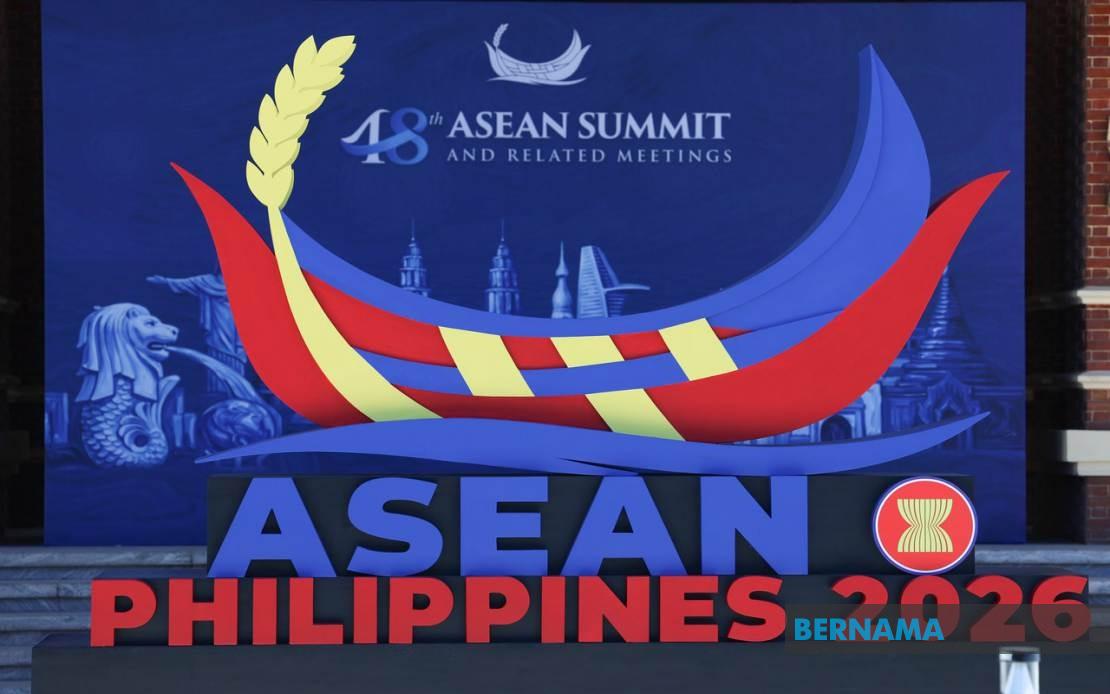
The timing of this gathering follows the 48th ASEAN Summit held in Cebu, where leaders explicitly mandated their foreign ministers to pursue sustained constructive engagement with Myanmar. This top-level directive provided the mandate and framework for the informal consultation, essentially instructing the foreign ministry level to operationalize the Summit's decisions. The Cebu guidance emphasized staying true to the Five-Point Consensus while maintaining principled engagement, a formulation that attempts to reconcile engagement with accountability.
The description of this engagement as "informal" is diplomatically significant. Informal mechanisms provide flexibility, reduced procedural constraints, and greater opportunity for candid discussion compared to formal ASEAN meetings. This format may allow foreign ministers to speak more directly about their concerns while avoiding the need for binding consensus statements that could prove divisive. For U Tin Maung Swe, an informal setting offers a platform to explain the military's positions without facing formal resolutions or public criticism that could undermine the regime's domestic legitimacy.
Myanmar's continued membership in ASEAN and the bloc's insistence on the country remaining part of the ASEAN family reflects the organization's commitment to regional inclusion over punitive isolation. However, this principle has created tension, particularly regarding the legitimacy of the military junta as Myanmar's representative. ASEAN's position effectively treats the coup as an internal matter requiring internal resolution, though the scale of violence and humanitarian suffering has increasingly tested this restraint among member states.
The practical outcomes anticipated from this meeting likely depend on whether Myanmar signals any movement on specific points of the Five-Point Consensus. The foreign ministers are expected to exchange views on potential "concrete steps," which suggests the meeting aims to generate actionable proposals rather than merely reiterate existing frameworks. However, Myanmar's track record since 2021 suggests limited appetite for the substantive compromises that cessation of violence and constructive dialogue would require, given the military's apparent determination to consolidate control.
For regional observers and Myanmar's beleaguered opposition movements, this meeting represents a critical juncture in assessing whether ASEAN's engagement strategy retains relevance or has become a diplomatic dead-end. The absence of direct engagement for nearly three years, followed by this resumption, suggests ASEAN may be attempting to revitalize its diplomatic approach. Conversely, the continued informality and incremental nature of engagement might indicate ASEAN's recognition that substantive progress remains elusive.
The role of the Philippine chair in facilitating this dialogue deserves particular attention, as Manila's credibility and diplomatic skill will influence whether the meeting produces meaningful outputs. The Philippines must balance its responsibility to uphold ASEAN's collective positions while maintaining the genuine dialogue that might eventually produce the breakthroughs the Five-Point Consensus envisions. This delicate equilibrium defines ASEAN's Myanmar challenge and will shape regional stability for years ahead.

