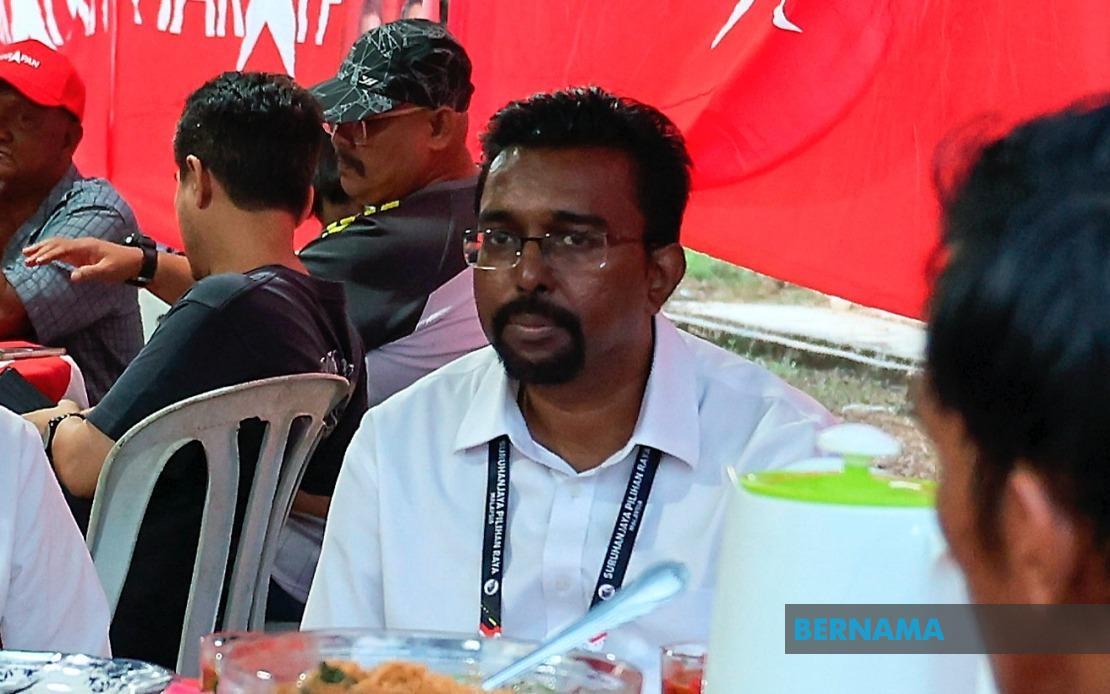
Pakatan Harapan candidate G. Manivanan has put forward an ambitious blueprint for developing the Jeram Padang constituency, rolling out a 10-pillar manifesto just days before voters head to the polls in Negeri Sembilan's state election. The initiative, branded 'Tekad Kita Bina Jeram Padang' (Our Resolve to Build Jeram Padang), encompasses economic revitalisation, infrastructure modernisation, and targeted welfare programmes designed to uplift residents across all demographic groups.
At the heart of Manivanan's economic strategy lies an emphasis on attracting fresh investment and nurturing the local business ecosystem. His platform commits to bolstering small and medium enterprises through targeted support mechanisms whilst encouraging local entrepreneurs to expand their operations. The approach reflects a broader recognition that sustainable prosperity in constituencies like Jeram Padang hinges not merely on external capital flows but on fostering homegrown entrepreneurial talent. Job creation emerges as a central pillar, with the candidate pledging to translate these economic initiatives into tangible employment opportunities for constituents seeking meaningful work.
Youth development features prominently in the manifesto, acknowledging that younger voters represent both a demographic challenge and an opportunity for long-term community transformation. Manivanan's proposals encompass technical and vocational training pathways through TVET programmes, complemented by occupational safety and health certification opportunities via NIOSH. Beyond traditional skills, the manifesto incorporates digital literacy initiatives essential in an increasingly technology-driven economy, alongside entrepreneurship support and structured talent development schemes. This multifaceted approach recognises that today's young Malaysians require diverse skill sets to remain competitive in regional labour markets.
The candidate has prioritised fundamental infrastructure improvements that affect daily quality of life across Jeram Padang. Road networks, water supply systems, electrical connectivity, and broadband availability form the bedrock of his development agenda. In rural and semi-urban Malaysian constituencies, such basic infrastructure deficiencies often constrain economic activity and discourage business investment. By addressing these foundational gaps, Manivanan's proposals aim to create preconditions for broader economic participation and improved living standards. Public amenities including community halls, recreational facilities, sports complexes, and multipurpose courts would receive attention based on documented community needs rather than top-down planning.
Welfare provisions represent a distinct component targeting vulnerable populations often overlooked in development discourse. The manifesto explicitly addresses retirees, veteran communities, senior citizens, women, and persons with disabilities through structured assistance programmes. This targeted approach acknowledges that inclusive development requires specific interventions for groups facing particular challenges. The commitment to FELDA and FELCRA settlement residents carries particular significance given these communities' historical experiences with land-based development schemes and their ongoing socioeconomic complexities.
Educational support extends beyond basic schooling to encompass comprehensive skill development. The manifesto commits to subsidising tuition assistance, introducing STEM programmes, and providing digital training alongside leadership development initiatives. This educational emphasis reflects understanding that human capital development constitutes a prerequisite for long-term constituency prosperity. Supporting educational institutions alongside individual students demonstrates a systemic rather than piecemeal approach to raising educational outcomes.
Healthcare expansion receives dedicated attention through proposed screening programmes and awareness campaigns, coupled with efforts to enhance medical facilities within the constituency. The inclusion of hawkers and small traders in the welfare framework indicates recognition of informal economy participants whose contributions to community vitality often escape official economic accounting. These traders frequently lack formal safety nets or business development support.
Demographic diversity shapes the manifesto's inclusive language, explicitly referencing Malay, Indian, Chinese, and Orang Asli communities alongside FELDA and FELCRA residents. For a Malaysian constituency encompassing multiple ethnic and social groups, such explicit acknowledgement of diverse needs signals intention to govern for all constituents rather than particular voting blocs. This inclusive framing matters particularly given Malaysia's ongoing navigation of interethnic relations and equitable development challenges.
Governance principles underpinning the manifesto emphasise transparency and genuine community engagement. Manivanan pledges accessible administration and commitment to listening before deciding, positioning constituent voice as fundamental to policy formulation rather than peripheral to it. Such pledges acquire meaning primarily through implementation, yet they establish normative expectations against which voters might later assess performance. In Malaysian constituencies where administrative responsiveness remains inconsistent, explicit governance commitments address tangible grievances.
The Jeram Padang contest reflects contemporary Malaysian electoral complexity, featuring four distinct candidates representing competing political visions. Manivanan faces incumbent Datuk Mohd Zaidi Abdul Kadir representing Barisan Nasional's continuity platform, R. Sri Sanjeevan offering Bersatu's alternative, and Dayana Dal representing Parti Orang Asli Malaysia's indigenous-focused agenda. This multi-cornered contest suggests constituency voters confronting genuine ideological and policy choices rather than straightforward incumbent-challenger dynamics. Each candidate's manifesto reflects distinct assumptions about development priorities and governance philosophies.
The timing of Manivanan's manifesto release, just days before Saturday's polling, reflects standard campaign practice yet emphasises the urgency candidates attribute to laying out platforms. In Malaysian state elections, such late-campaign releases attempt to crystallise voter sentiment whilst maintaining momentum through final voting days. The specificity of Manivanan's 10-pillar framework distinguishes his approach from vaguer campaign messaging, potentially offering voters concrete criteria for evaluating pledges against eventual performance should he secure election.
For Negeri Sembilan voters assessing candidates across multiple constituencies, Manivanan's comprehensive framework exemplifies how contemporary Malaysian politicians increasingly feel compelled to articulate detailed manifestos rather than relying solely on party platforms. This professionalisation of campaign communication reflects growing voter sophistication and demand for accountable governance. The manifesto's breadth—spanning economic development, youth opportunity, infrastructure, welfare, education, and healthcare—indicates recognition that state elections increasingly function as referendums on holistic governance capacity rather than narrower policy domains.

