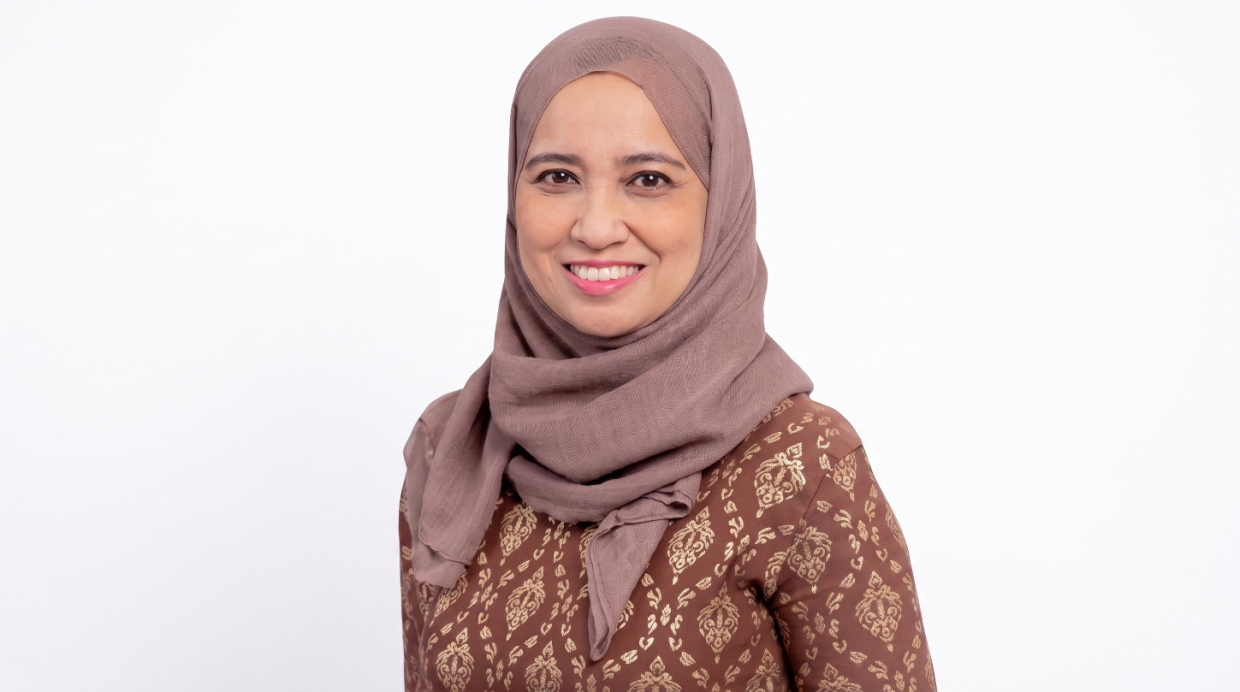
Perbadanan Insurans Deposit Malaysia (PIDM), the country's deposit insurance and takaful guarantee regulator, has selected Afiza Abdullah to serve as its chief executive officer for a three-year term starting August 28, 2026. The appointment represents an internal promotion within the institution and marks the transition from outgoing chief Rafiz Azuan Abdullah, who has steered the organisation through nine years of operational development and regulatory refinement. The selection follows the legal framework established under the PIDM Act, which grants the Minister of Finance authority to appoint the CEO upon endorsement from the board of directors.
Abdullah's trajectory through PIDM reflects a deliberate approach to leadership continuity within Malaysia's financial safety net architecture. She joined the institution in 2011 and has since accumulated more than two decades of combined experience spanning banking and insurance sectors. Her background encompasses critical domains including financial regulation, policy framework development, crisis management protocols and resolution mechanisms—areas that have grown increasingly important as regional financial systems face mounting pressures and volatility. This depth of expertise positions her to navigate the complex regulatory environment that PIDM operates within, particularly as global deposit insurance practices continue evolving.
Central to Abdullah's career at PIDM has been her instrumental role in constructing the organisation's resolution infrastructure and operational capabilities. She played a leading part in operationalising the Recovery and Resolution Planning framework developed collaboratively with Bank Negara Malaysia, work that remains foundational to Malaysia's ability to manage financial institution failures systematically. Beyond internal framework development, she strengthened coordination mechanisms among the various institutions that comprise Malaysia's financial safety net, working to align crisis response protocols across different regulatory bodies through organised simulation exercises and information-sharing protocols. This coordination work reflects an emerging international best practice in deposit insurance, where isolated institutional responses to crises have given way to coordinated multi-agency approaches.
Throughout her tenure at PIDM, Abdullah has championed strategic initiatives within the takaful and insurance protection domain, recognising the particular importance of Islamic finance safeguards within Malaysia's dual banking and insurance ecosystem. She contributed substantially to refinements of the Differential Levy System, a mechanism designed to encourage sound risk management practices among insurance and takaful member institutions by tying their contributions to their risk profiles. Parallel to this work, she shaped developments in the Takaful and Insurance Benefits Protection System information regulations, enhancing transparency and data quality across the protected sectors. These technical interventions may appear arcane to outside observers but carry substantial weight in determining whether Malaysia's insurance regulatory framework remains effective during periods of institutional stress.
Abdullah's career arc within PIDM demonstrates the organisation's commitment to developing leadership talent internally rather than recruiting externally. Her progression from General Manager of Policy and International in 2016 to Executive Vice President of Resolution in 2022 reflects deliberate board stewardship of succession planning. This approach offers advantages: incoming leaders understand institutional culture, historical decision-making rationales and relationship networks. It also signals stability to stakeholders, including member institutions, international counterparts and financial consumers, by demonstrating continuity of strategic direction rather than abrupt shifts accompanying external appointments.
Prior to joining PIDM, Abdullah accumulated nearly a decade of experience at Bank Negara Malaysia, where she contributed to prudential policy development and participated in the modernisation of the Central Bank of Malaysia Act 2009. She also engaged with the Financial Sector Blueprint, the central bank's multi-year strategic roadmap for sectoral development. This central banking background provides her with deep familiarity with how PIDM's work intersects with broader monetary policy objectives and systemic stability considerations—knowledge that proves invaluable when navigating situations where deposit insurance functions must coordinate with monetary authorities.
Abdullah's international presence has enhanced PIDM's standing among global deposit insurance peers. She has held leadership roles within the International Association of Deposit Insurers and the International Forum of Insurance Guarantee Schemes, platforms where she advanced discussions on deposit insurance design, insurance guarantee mechanisms and resolution practices. Through these engagement channels, PIDM has developed recognition among international counterparts for its work strengthening financial safety nets and improving crisis preparedness. This international reputation carries practical importance, as it influences international assessments of Malaysia's financial sector stability and may affect how global institutions evaluate domestic financial system risks.
PIDM chairman Datuk Abu Huraira Abu Yazid expressed confidence that Abdullah's combination of internal knowledge and demonstrated leadership capacity will ensure a seamless transition and maintain continuity across PIDM's portfolio. He characterised her rise through the organisation as a testament to the strength of PIDM's internal leadership development processes, suggesting that the institution has succeeded in identifying and nurturing talent capable of steering complex regulatory functions. His framing acknowledges the board's role in succession planning as a core governance responsibility, not a marginal task undertaken only when vacancies arise.
Yazid emphasised that in an operating environment marked by increasing economic and financial uncertainty, PIDM must function as an anchor of stability for the financial system. The institution's core responsibility involves assuring savers and insurance policyholders that their deposits and benefits remain protected even if member institutions fail. This protective function depends fundamentally on public confidence in PIDM's capability and resolve. Leadership transitions, even when planned internally, carry potential risks if stakeholders perceive discontinuity or loss of institutional momentum. Framing Abdullah's appointment as maintaining rather than disrupting PIDM's trajectory serves to mitigate such concerns.
The transition also occurs within a broader context of heightened emphasis on financial system resilience across Southeast Asia. Regional regulators have intensified focus on deposit insurance frameworks, resolution mechanisms and cross-border coordination following several banking sector challenges in neighbouring jurisdictions. PIDM's evolution toward more sophisticated resolution capabilities directly reflects these regional developments. Abdullah's appointment signals Malaysia's commitment to maintaining rigorous deposit insurance standards and continuing the institutional development work that commenced under Rafiz Azuan Abdullah's leadership. The incoming CEO will inherit an organisation substantially strengthened operationally compared to its state a decade earlier, positioned to respond effectively to emerging financial stability challenges.
Outgoing chief Rafiz Azuan Abdullah receives acknowledgment from the board for nine years of leadership during which PIDM's operational sophistication, international standing and crisis readiness capabilities expanded substantially. His tenure witnessed implementation of advanced resolution planning frameworks, development of more nuanced risk-based levying systems and deepening engagement with international standard-setting bodies. The board's expression of appreciation reflects recognition that executive leadership transitions function most smoothly when outgoing leaders are acknowledged positively and their accomplishments integrated into institutional memory rather than treated as superseded. This approach creates conditions where Abdullah can build constructively upon existing foundations rather than feeling compelled to distance herself from her predecessor's legacy.
Looking forward, Abdullah assumes leadership of an institution at a significant juncture. Global interest rate environments, potential economic slowdown, evolving cyber risks and the continued integration of fintech into banking and insurance systems all present emerging challenges for deposit insurance and resolution frameworks. Her deep expertise in policy development, regulatory coordination and resolution mechanisms should equip her to navigate these challenges while maintaining the core mission of protecting depositors and policyholders. The board's characterisation of her appointment as marking PIDM's entry into its next chapter suggests awareness that the institution's development trajectory continues, with new challenges and opportunities emerging continuously.

