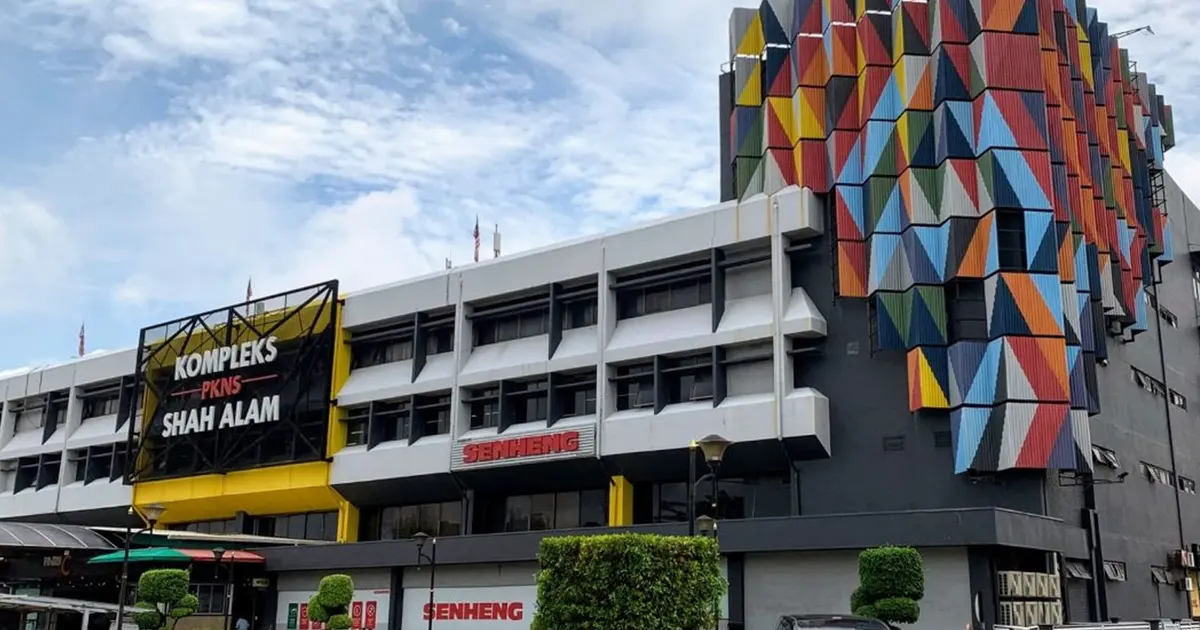
The Selangor State Development Corporation, commonly known as PKNS, has issued a comprehensive denial of recent allegations suggesting the organisation faces severe financial distress, including reported losses of RM103.7 million and accumulated debt reaching RM6.1 billion. The corporation's response came swiftly as it sought to address what it characterised as inaccurate and misleading claims circulating about its financial standing and management practices.
The timing of PKNS's denial reflects growing scrutiny of government-linked entities in Selangor, where public discourse has increasingly focused on fiscal accountability and transparency. Such allegations, whether substantiated or not, carry significant weight in Malaysian public discourse given the state's economic importance and PKNS's role in urban development and land management across the region. The corporation's decision to directly refute these claims suggests concerns that unchecked narratives could damage institutional credibility and investor confidence in Selangor's development initiatives.
Financial transparency within state-owned enterprises remains a contentious issue across Malaysia. While some entities have embraced greater disclosure in recent years, others have resisted providing detailed breakdowns of their financial positions, citing commercial sensitivity or ongoing audits. PKNS's categorical denial invites scrutiny into what documentation supports its position and raises questions about the origins and credibility of the allegations being disputed. Without publicly available audited financial statements for recent years, stakeholders struggle to independently verify claims about either alleged losses or actual financial health.
The corporation's assertion that allegations are misleading may stem from technical accounting differences or from genuine computational errors in how losses and debt are calculated. Different methodologies for recognising provisions, depreciation, or off-balance-sheet liabilities can produce vastly different financial pictures. Additionally, some figures attributed to PKNS may reflect consolidated statements including subsidiary companies or joint ventures, creating confusion about what truly constitutes the corporation's direct obligations versus contingent liabilities.
For Malaysian investors and property purchasers, PKNS's financial health carries practical implications. The corporation manages extensive property portfolios and undertakes significant development projects across Selangor. Questions about solvency or debt servicing capacity could affect project timelines, maintenance standards, or the corporation's ability to fulfil commitments to buyers and stakeholders. Property buyers particularly pay attention to developer financial stability, as demonstrated cash flow problems or insolvency can leave projects incomplete or properties without adequate management services.
The Selangor state government faces inherent pressure to maintain confidence in institutions under its purview. PKNS, as a significant landowner and developer, influences property markets, tax revenue potential, and public perceptions of state governance. However, vigorous denials without accompanying documentary evidence can occasionally heighten public doubt rather than dispel it. In an era where information spreads rapidly through social media, the corporation's communications strategy will significantly influence whether this matter escalates into a broader political controversy or gradually fades from public attention.
Sectorally, Malaysian property developers and government-linked corporations frequently face questions about financial sustainability, particularly given cyclical property markets and changing consumer preferences. The allegations against PKNS, regardless of their validity, reflect broader concerns about whether state entities maintain adequate reserves and prudent financial management. Such concerns gain momentum during economic slowdowns when corporate default risks increase across multiple sectors, making even established entities vulnerable to credibility challenges.
The corporation's denial also carries implications for Selangor's fiscal position more broadly. Large accumulated debts within state-owned enterprises can constrain state government budgets, limiting funds available for healthcare, education, or infrastructure despite appearances of overall fiscal health. Conversely, if allegations prove exaggerated, they may represent misunderstandings about legitimate financing structures that support development activities over multiple decades, which is standard practice in real estate and infrastructure sectors.
Moving forward, PKNS would strengthen its position by providing transparent financial reporting, potentially including audited statements available for public scrutiny within appropriate confidentiality bounds. Many leading corporations globally have found that proactive disclosure, rather than defensive responses to allegations, rebuilds stakeholder trust more effectively. The corporation might consider publishing detailed explanations of its financial position, clarifying debt structures, and outlining long-term financial sustainability plans, demonstrating confidence in its management practices and financial trajectory.

