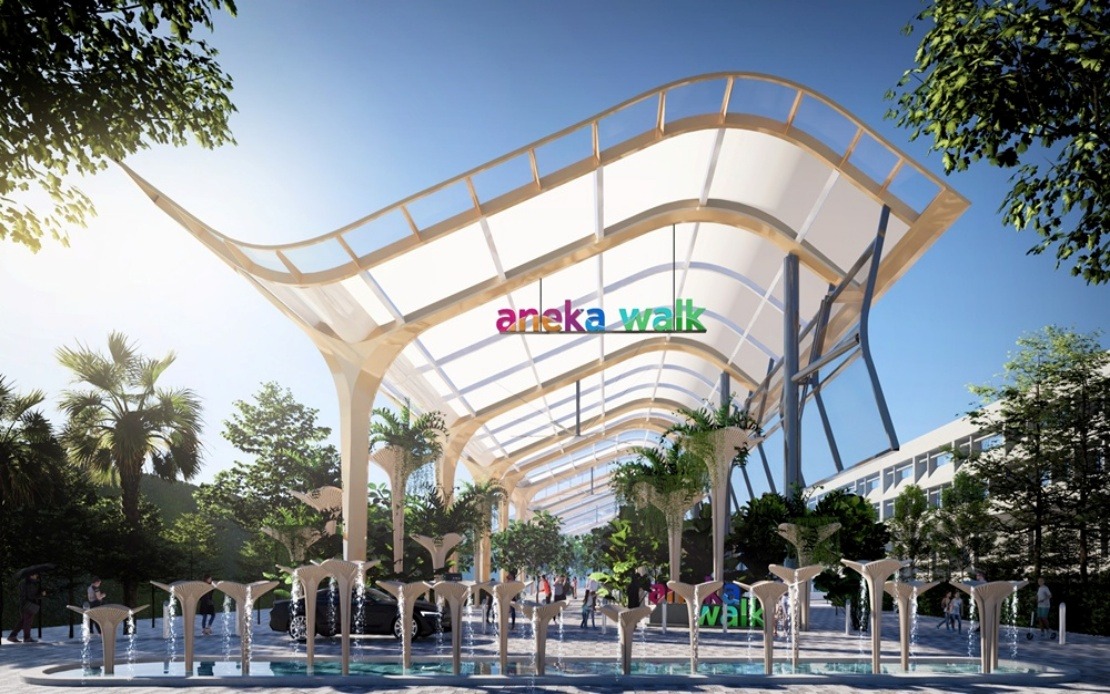
The Selangor State Development Corporation (PKNS) is positioning itself at the forefront of experiential entertainment in the state by organising an ambitious screening event for football's greatest moment. On July 19 and 20, the organisation will open the doors of Aneka Walk in Seksyen 14, Shah Alam, to the public for a 12-hour marathon viewing of the FIFA World Cup 2026 final, marketed under the banner of PKNS Homes Final World Cup 2026 Mega Live. The timing of this initiative—stretching from 5 pm on July 19 through to 5 am the following morning—reflects careful planning to capture the global match kick-off time while maximising attendance across evening and early morning hours.
The event signals a deliberate shift in how public corporations in Malaysia are approaching community engagement and urban activation. Rather than confining the World Cup final viewing to sports bars or private venues, PKNS has chosen to democratise access to this prestigious international spectacle by situating it within a shopping and entertainment complex accessible to Shah Alam residents and beyond. This approach taps into the universal passion for football while simultaneously serving as a vehicle for broader commercial and developmental objectives.
Organisers anticipate that approximately 1,000 visitors will attend the screening, though the infrastructure appears designed to accommodate significant foot traffic across the 12-hour window. The collaboration with Selangor FC, the state's professional football club, adds credibility and insider appeal to the event. By partnering with a locally-rooted sports institution, PKNS leverages existing fan networks and goodwill within Selangor's sports community, transforming what could be a purely commercial enterprise into something with genuine grassroots appeal.
Beyond the central attraction of the World Cup final itself, organisers have curated an extensive programme of ancillary activities beginning well before the 3 am match kick-off. E-sports competitions will appeal to younger demographics, while meet-and-greet opportunities with Selangor FC players cater to football enthusiasts of all ages. Interactive games, lucky draws featuring branded prizes, and food stalls operating throughout the night ensure that attendance remains compelling even during the pre-match hours when global television audiences are minimal. This multi-activity approach acknowledges that community events thrive when they offer something for diverse interests and age groups.
The commercial dimension of the event reflects sophisticated urban marketing thinking. PKNS has explicitly identified the screening as an opportunity for corporate partners and brands to engage directly with consumers within a leisure and entertainment context. Exhibition booths and promotional activities will allow companies to strengthen brand presence while the crowd's attention is concentrated on the venue. This represents a mutually beneficial arrangement where sponsors gain access to a captive, entertainment-focused audience, while PKNS offsets event costs and enhances the overall experience quality.
The initiative must be understood within the context of PKNS's broader urban development strategy for Shah Alam. Aneka Walk, situated within the SA Sentral development project, represents a significant investment in transforming the city's commercial and leisure landscape. Public events of this calibre serve multiple purposes simultaneously: they generate foot traffic that benefits existing retailers, demonstrate the venue's capacity to host major attractions, and position Aneka Walk as more than merely a shopping destination. The World Cup screening transforms it into a lifestyle hub capable of delivering memorable experiences.
For Shah Alam residents, the event offers rare access to premium entertainment without leaving the city. Rather than driving to Kuala Lumpur or joining crowded international broadcasts elsewhere, residents can experience the World Cup final within their own community, surrounded by familiar faces and local amenities. This convenience factor addresses a genuine gap in the suburban entertainment landscape, where major sporting events often pull audiences toward larger urban centres.
The timing of the World Cup 2026 itself carries particular relevance for Malaysian sports enthusiasts and the broader Southeast Asian football community. The tournament, scheduled for June-July 2026, will be hosted across three nations—the United States, Mexico, and Canada—marking only the second time in World Cup history that the competition will span multiple countries. This geographic expansion and the prestige surrounding the event make it a focal point for global football fans, and PKNS has positioned itself ahead of the curve by planning major public viewing experiences now, more than a year before the tournament begins.
The 12-hour continuous operation reflects logistical ambition and confidence in public demand. Maintaining venue operations from evening through to early morning requires coordination of security, catering, sanitation, and entertainment across an extended timeframe. The decision to operate overnight, rather than hosting separate daytime and evening sessions, suggests organisers believe the event's appeal justifies the additional operational complexity. This represents a gamble on community enthusiasm for the World Cup final specifically, and on residents' willingness to participate in an unconventional late-night public gathering.
PKNS's messaging emphasises the convergence of sports, entertainment, lifestyle, and entrepreneurship as the animating philosophy behind the event. This framing positions the World Cup screening as more than entertainment—it becomes a statement about how modern community spaces function. By combining a major sporting spectacle with smaller commercial and entertainment elements, PKNS is articulating a vision of public space as inherently multifunctional, serving diverse needs simultaneously.
The invitation to attend with families and friends suggests organisers view the event as fundamentally social in character. While the World Cup final is the headline attraction, the broader experience is framed as a shared community moment. This social dimension distinguishes the event from passive television watching, transforming consumption of the match into participatory community engagement. For Malaysian audiences familiar with neighbourhood gatherings and family-centered entertainment, this framing carries particular resonance.
Looking beyond the immediate July 2026 timeframe, PKNS's investment in this event signals confidence in Shah Alam's trajectory as an urban destination. Events of this scale and ambition typically require 6-12 months of advance planning and coordination. The organisation's willingness to commit resources now indicates faith that Aneka Walk will be sufficiently developed and attractive to warrant hosting a high-profile international sporting event. This confidence, in turn, may influence investor and retail partner decisions regarding the SA Sentral development project.

