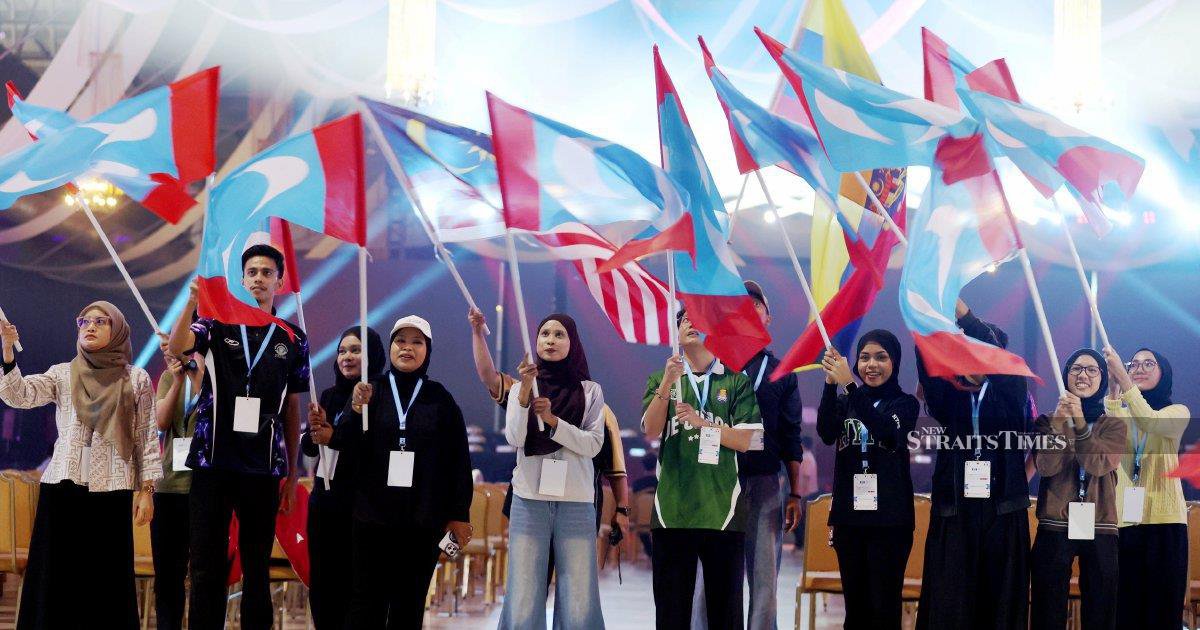
The People's Justice Party (PKR) convenes its congress in Ayer Keroh, Melaka today, entering the gathering under considerable pressure following a series of recent political setbacks that have exposed both external vulnerabilities and internal fissures within the party's leadership structure. The timing of the assembly arrives as PKR reckons with disappointing electoral performance in two key peninsular states, a combination that has prompted observers to question the party's strategic direction and cohesiveness during an increasingly fragmented political landscape.
PKR's recent performance in Johor and Negri Sembilan state elections represents a significant departure from the coalition's earlier momentum, particularly when viewed against the backdrop of the party's pretensions to national relevance following its role in government formations. These electoral reverses have been attributed to various factors, ranging from local voter sentiment and ground-level campaign execution to broader disenchantment with national political dynamics. For a party that has positioned itself as a reform-oriented force within Malaysia's political establishment, the losses signal that electoral support cannot be taken as assured, even in regions where PKR maintains organisational presence.
Beyond the raw numbers of electoral performance, however, lie deeper organisational challenges that threaten to undermine PKR's capacity to mount effective campaigns. Internal divisions within the party have intensified, with reports of disagreements over strategic priorities, candidate selection processes, and leadership accountability creating an atmosphere of tension among senior figures and ordinary members alike. These rifts are not merely administrative inconveniences but reflect substantive policy and directional disagreements that call into question the party's unity of purpose as it navigates Malaysia's increasingly complex political terrain.
The congress gathering provides a natural forum for these tensions to surface, whether through formal debate procedures or informal discussions during breaks and social events. Typically, party congresses offer opportunities for grassroots delegates to voice concerns and hold leadership accountable, though the effectiveness of such mechanisms depends greatly on whether party elites are genuinely receptive to criticism or merely tolerant of controlled expressions of dissent. Given the current pressure environment, proceedings at the Melaka International Trade Centre are likely to attract heightened media scrutiny and careful observation from rival political formations seeking to exploit any signs of PKR weakness.
The broader strategic environment surrounding PKR's congress merits consideration as well. Malaysian politics has entered a period of unusual fluidity, with coalition alignments, merger discussions, and shifting voter preferences creating unpredictability that affects all major parties. PKR's positioning within this evolving landscape remains contested, particularly regarding its relationship with other components of existing coalitions and the possibility of future political realignments. Elections in Johor and Negri Sembilan have provided preliminary signals about how voters may view PKR's performance and credibility, but these results do not necessarily determine future outcomes in other states or at federal level.
For Malaysian voters and observers in the region, PKR's challenges carry implications beyond the party's internal dynamics. The party has long claimed to represent reformist impulses within Malaysian politics and advocates for specific policy positions on democratic governance, anti-corruption efforts, and social justice matters. Should PKR continue to suffer electoral setbacks and internal paralysis, the political space for such voices may be diminished, potentially affecting the range of policy alternatives presented to Malaysian voters and the nature of political competition more broadly.
The congress also provides opportunity for PKR leadership to articulate responses to recent criticisms and outline pathways for organisational renewal. Delegates attending from various state chapters will carry expectations that the party will address substantive concerns rather than offering merely symbolic gestures toward unity. Whether leadership acknowledges past missteps, proposes structural reforms to address internal governance issues, or attempts to recalibrate party strategy will significantly influence whether the congress serves as a turning point or merely a temporary pause in a broader trajectory of decline.
Regional observers, particularly in neighbouring countries monitoring Malaysian political trends, will watch PKR's congress for signals about the broader stability of Malaysian politics. Investor confidence, diplomatic relationships, and regional security arrangements can be influenced by perceptions of domestic political coherence and predictability. A major Malaysian political party struggling with severe internal dysfunction sends reverberations beyond national boundaries, affecting how Malaysia positions itself within Southeast Asian frameworks and international forums.
The outcomes and tone of the Melaka congress will likely shape PKR's approach to upcoming political contests and internal power dynamics in coming months. Whether delegates emerge with renewed sense of collective purpose or harbour deeper doubts about party direction will influence recruitment, fundraising, volunteer mobilisation, and ultimately electoral performance. In this sense, the congress represents not merely a procedural event but a potentially pivotal moment in determining whether PKR can reverse current momentum or faces a prolonged period of diminished political influence.

