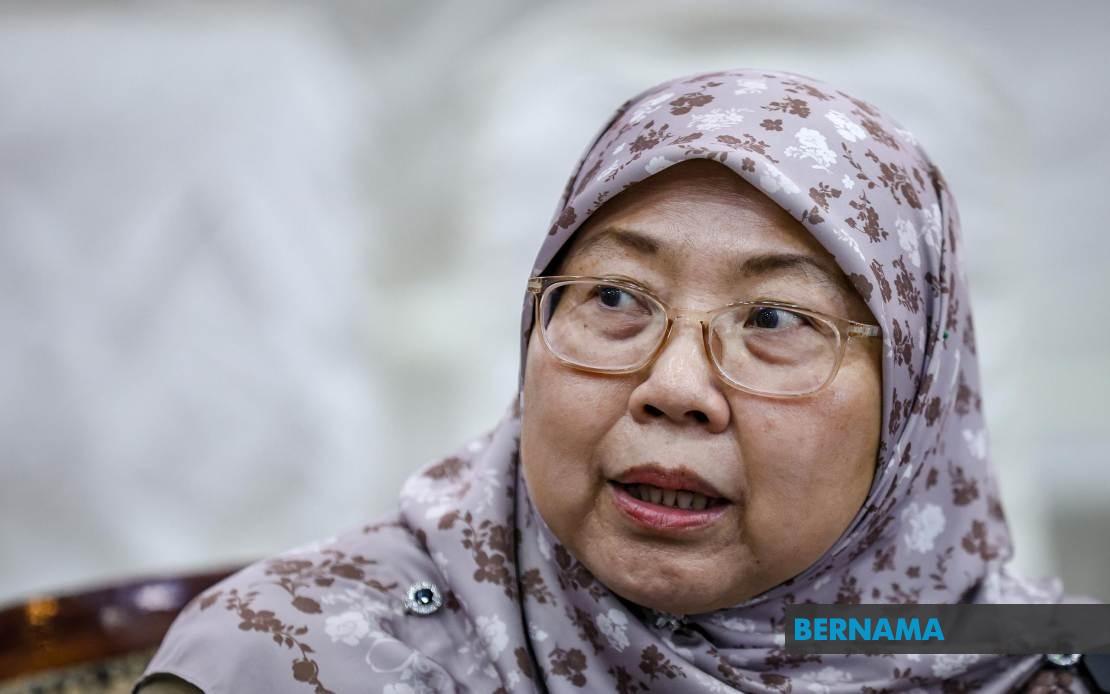
Parti Keadilan Rakyat has moved to distance itself from businessman Datuk Seri Nicky Liow Soon Hee, issuing an official statement clarifying that he maintains no affiliation with the political party. The clarification came after PKR secretary-general Datuk Dr Fuziah Salleh instructed a formal check through the party's membership database, responding to circulating social media claims that suggested otherwise.
The speculation emerged after a photograph began circulating online showing Liow wearing merchandise bearing the colours and insignia of Angkatan Muda Keadilan, the youth wing of the People's Justice Party. The image triggered assumptions among social media users that he held formal party membership, prompting the organisation to conduct a swift verification process to settle the matter publicly.
Fuziah's statement, released in Kuala Lumpur on July 26, confirmed that the KEADILAN Membership System yielded no record of Liow as a registered member. Beyond establishing his non-membership status, the party also verified that he had never formally submitted an application for party registration at any point in time. This dual confirmation was presented as conclusive evidence of the businessman's complete lack of formal party ties.
The timing of the clarification is noteworthy given Liow's current legal predicament. He faces criminal charges in the Shah Alam Sessions Court related to alleged involvement with an organised crime network known as the "Nicky Gang," alongside separate money laundering allegations. The convergence of his ongoing legal troubles and the sudden social media attention to his alleged party connections created an unfavourable optics situation for PKR, necessitating swift institutional response.
The incident underscores the vulnerability of Malaysian political parties to reputational risks stemming from social media misinformation and the rapid spread of unverified claims online. In the current political climate, where party affiliations carry significant implications for public perception and electoral standing, political organisations have become increasingly vigilant about controlling narratives surrounding their membership rolls and official associations.
For PKR specifically, the matter holds particular sensitivity given the party's position within Malaysia's political landscape. As a component of the Pakatan Harapan coalition and a significant player in opposition politics, any suggestion of association with individuals facing serious criminal charges could undermine the party's claims regarding governance standards and ethical conduct in politics. The party's swift institutional response demonstrates how seriously contemporary political movements now treat their public image in the social media age.
The viral photograph episode also reflects broader tensions between visual evidence and institutional records in the digital era. A single image, regardless of its actual context or circumstances of capture, can generate sufficient momentum to compel formal organisational responses and official denials. Political parties now routinely find themselves obligated to issue clarifications based on social media claims, adding another dimension to the challenge of managing public perception during the information age.
Liow's legal situation remains distinct from the membership controversy. His involvement with the purported organised crime syndicate and the accompanying money laundering allegations constitute serious criminal matters under investigation by Malaysia's justice system. These charges would proceed independently of any party affiliation questions, though any such association would certainly complicate his legal standing and public credibility.
The incident also highlights how merchandise and visual symbols can generate confusion regarding affiliation and membership. Wearing clothing associated with a political party's youth wing does not automatically confer membership status, yet such images often circulate online without adequate context or explanation. Political organisations consequently must maintain clear public records and be prepared to defend them against visual evidence that might suggest otherwise.
From a broader Malaysian political perspective, this situation exemplifies the ongoing challenge facing the country's political system in the digital age. The rapid virality of unverified claims, the ease with which misleading narratives can gain traction, and the consequent burden on political institutions to respond and clarify create a complex information environment. PKR's response nonetheless demonstrates institutional capacity and willingness to engage with public queries regarding membership and organisational integrity, even when responding to claims originating from informal social media channels.

