PKR has granted Nurul Izzah Anwar, daughter of Prime Minister Datuk Seri Anwar Ibrahim, a temporary leave of absence from her position as deputy president to pursue doctoral studies and address personal matters, the party announced on Thursday. The move, approved by PKR's Central Leadership Council after rejecting her initial resignation bid, represents an unconventional arrangement within Malaysia's largest ruling coalition party that underscores the balancing act between family succession expectations and institutional governance in local politics.
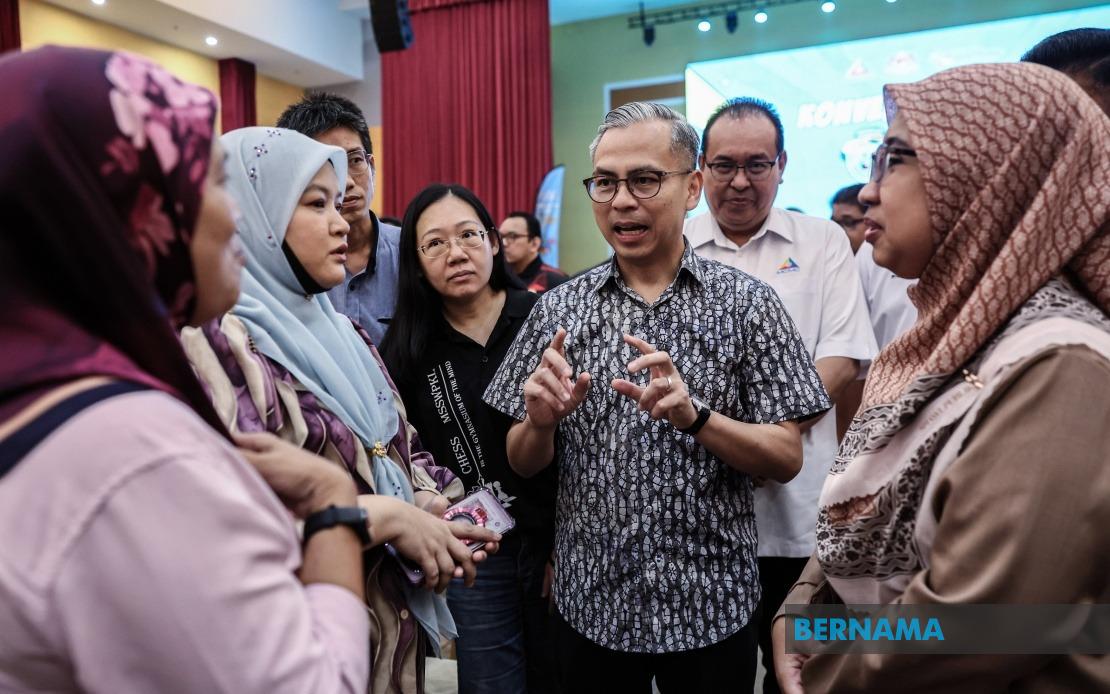
Datuk Seri Fahmi Fadzil, the party's Information chief and also Communications Minister, fielded questions about the arrangement during a media engagement in Kuala Lumpur. He emphasised that despite Nurul Izzah's temporary stepping back, the party machinery will continue operating at full capacity without disruption. The day-to-day management of her portfolio has been transferred to vice-president Datuk Seri Saifuddin Nasution Ismail, a seasoned PKR veteran whose appointment to this interim responsibility reflects the party leadership's confidence in his administrative capabilities. This delegation demonstrates PKR's institutional depth and the existence of a clear succession mechanism within its leadership hierarchy.
Fahmi's insistence that Nurul Izzah remains a committed party member despite her leave sends an important signal about her long-term role within PKR's trajectory. The distinction between a resignation and approved leave carries significant weight in Malaysian political parlance, suggesting that her absence is framed as temporary rather than permanent. This framing preserves her standing within the party apparatus and keeps open the possibility of her resuming her deputy presidency once her academic pursuits conclude. Her decision to pursue a PhD represents a notable personal ambition that the party hierarchy has chosen to accommodate, reflecting evolving attitudes towards work-life balance even among Malaysia's political elite.
The announcement came amid swirling speculation about potential parliamentary seat changes, particularly regarding whether Subang MP Wong Chen might vacate his position. Fahmi deflected these rumours, stating that no such information had been conveyed to him and that any formal developments would require official pronouncement through Dewan Rakyat Speaker Tan Sri Johari Abdul. This measured response reflects the careful choreography required when addressing potential parliamentary vacancies, which can trigger complex procedural mechanisms and open new nomination windows during sensitive political periods.
On the broader political calendar, Fahmi addressed speculation about an early general election, categorically denying any current plans to dissolve Parliament ahead of schedule. The government anticipates that the next general election will be conducted by the end of 2026 at the latest, providing a clear temporal framework for both governing coalition members and opposition parties to strategise their campaigns. This timeline offers relative predictability in Malaysia's political ecosystem, though it remains subject to unforeseen circumstances that could alter the government's calculus regarding optimal electoral timing.
Fahmi framed the government's immediate priorities around administrative stability and continuity, emphasising that component parties within the Unity Government remain committed to sustaining Prime Minister Anwar Ibrahim's leadership throughout the intended term. This articulation of coalition solidarity carries importance given the precarious nature of Malaysia's Unity Government arrangement, which brings together parties from traditionally opposing camps. The public affirmation of unity signals that despite occasional tensions, the broader coalition architecture remains intact and functional.
The Information chief also highlighted the continuing collaborative framework within Pakatan Harapan and the broader Unity Government coalition, stressing shared dedication to advancing economic and social reforms that address public concerns. This emphasis on programmatic alignment rather than purely transactional political interests suggests an attempt to elevate the discourse beyond seat-sharing arrangements and patronage considerations. The reform agenda represents the coalition's legitimising narrative, particularly important given widespread public scepticism about political motivations.
Among outstanding governance matters requiring attention is the implementation of recommendations emanating from the Royal Commission of Inquiry examining the Lembaga Tabung Haji's operations during the 2014 to 2020 period. This RCI represents ongoing efforts to address financial irregularities and governance lapses that have affected Malaysia's pilgrimage savings institution, impacting hundreds of thousands of account holders. The government's commitment to implementing these recommendations remains a bellwether for its sincerity regarding anti-corruption and institutional reform, two pillars upon which its political legitimacy substantially rests.
Fahmi concluded his remarks by hinting at imminent announcements from Prime Minister Anwar Ibrahim that he characterised as beneficial for the nation and its populace. These cryptic references to forthcoming declarations inject an element of anticipation into Malaysia's political environment, though without specific details, their potential scope and significance remain speculative. Such hints often precede policy announcements, cabinet adjustments, or strategic initiatives, leaving political observers and analysts attentive to developments in coming days.
Nurul Izzah's leave arrangement reflects the intersection of familial dynamics and institutional requirements within Malaysia's ruling structures. Her pursuit of advanced academic credentials aligns with contemporary trends among political families globally, where formal educational attainment increasingly serves as a credential for political legitimacy. The PKR's accommodation of her request demonstrates institutional maturity, though it simultaneously raises questions about succession planning within the party and whether her absence signals confidence in other leadership figures or represents a calculated strategic pause in her political trajectory.

