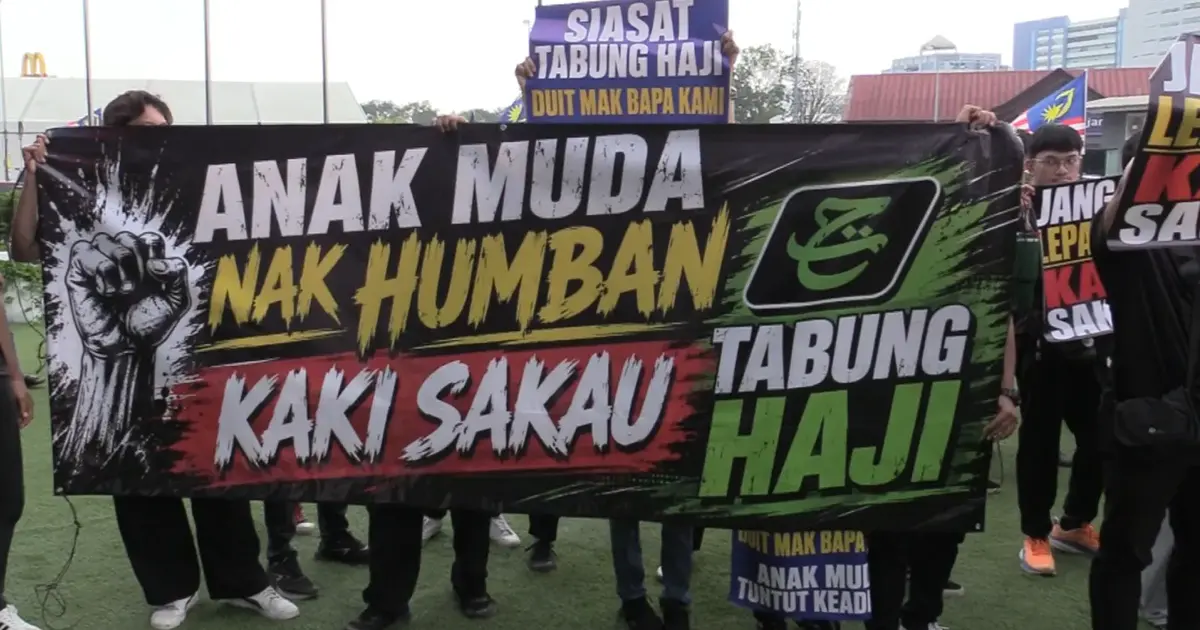
Around 250 members of Keadilan Rakyat in Melaka assembled outside the venue of their party congress to voice demands for an accelerated probe into the Tabung Haji situation, reflecting growing pressure within the party over governance at the pilgrimage savings institution. The demonstration underscored tensions between grassroots party members and leadership over how seriously the matter is being prioritised in the political and judicial agenda.
The protestors contended that the controversies surrounding Tabung Haji strike at issues central to the concerns and livelihoods of Malaysia's Malay-Muslim population. Tabung Haji, which manages funds collected from Muslim Malaysians intending to perform the Hajj pilgrimage to Mecca, holds profound cultural and religious significance beyond its technical role as a financial institution. Any perceived mismanagement or impropriety at the organisation therefore resonates deeply within communities that depend on its integrity and transparent operations.
For PKR, which positions itself as a reform-oriented party championing good governance and accountability, the Tabung Haji investigation carries symbolic weight. The party's credibility with voters partly rests on demonstrating commitment to investigating alleged irregularities in government-linked institutions and holding decision-makers responsible. Members gathering outside the congress suggested frustration that this commitment was not being visibly executed with sufficient speed or vigour.
The timing of the demonstration during the party congress itself was deliberate, ensuring maximum visibility and transmitting a clear message to PKR leadership attending the gathering. By staging their action outside rather than disrupting proceedings inside, the protesters employed a disciplined approach that demonstrated organised concern while respecting party structures. This tactical choice indicated the protesters were not seeking confrontation but rather demanding responsiveness from their elected representatives and party officials.
Tabung Haji has faced scrutiny over various allegations involving investment decisions, fund management, and governance practices. These issues have attracted attention from regulators, investigative agencies, and the public. The institution's role in safeguarding the savings of hundreds of thousands of Malaysian Muslim pilgrims makes any governance failures matters of national concern. When mismanagement allegations surface at such organisations, they inevitably trigger broader questions about oversight mechanisms and accountability frameworks across Malaysia's public and quasi-public institutions.
For PKR members in Melaka specifically, the rally represented an effort to maintain pressure on their party to champion this cause in parliament and the broader political arena. Melaka, a state with significant Malay-Muslim population segments, naturally amplified sensitivity to issues affecting these communities' interests and trust in institutional mechanisms. The state has also been a competitive political battleground in recent elections, making constituent concerns particularly relevant to PKR's electoral prospects.
The demand for thoroughness in any investigation reflects awareness that superficial or inadequate probes would fail to address underlying systemic issues. Complete investigations require resources, time, and institutional independence to examine documentation, conduct interviews, and follow evidentiary trails wherever they lead. Protestors thus argued against hasty conclusions or politically influenced outcomes that might satisfy appearance while leaving substantive problems unresolved.
Within Malaysian politics, Tabung Haji controversies have transcended partisan boundaries in some respects, with various political actors and civil society organisations calling for clarity and accountability. However, opposition parties have particular incentives to champion investigations into alleged mismanagement at government-linked entities, using such campaigns to demonstrate alternative approaches to governance and institutional stewardship. PKR's positioning on this issue therefore carries implications for its broader political narrative and voter engagement strategy.
The assembly of several hundred PKR members outside their own party congress indicated that grassroots concerns about institutional accountability remain potent motivators of political participation in Malaysia. Party members often retain expectations that their organisations will champion causes aligned with grassroots values, particularly when such causes affect vulnerable constituencies or reflect core party principles regarding transparency and accountability. When members perceive disconnect between leadership priorities and membership concerns, they employ demonstrations and public pressure as tools for realignment.
The Tabung Haji investigation also connects to broader regional dynamics affecting Malaysia. As Southeast Asian economies navigate complex investment landscapes and governance challenges at state-owned enterprises, Malaysia's handling of such controversies carries implications for investor confidence and institutional credibility. The manner in which authorities investigate and resolve allegations at major financial institutions sends signals about Malaysia's commitment to rule of law and transparent governance that resonate across the region.
Moving forward, how PKR leadership responds to these grassroots demands will influence both the party's internal cohesion and its public positioning on governance issues. The demonstration served as a thermometer measuring member sentiment on institutional accountability and signalled that these concerns retain political salience beyond election cycles. For Malaysian voters observing political developments, such displays of internal party pressure over substance-focused issues like institutional integrity offer data points for evaluating which political organisations genuinely prioritise governance reform versus those offering rhetorical commitments only.

