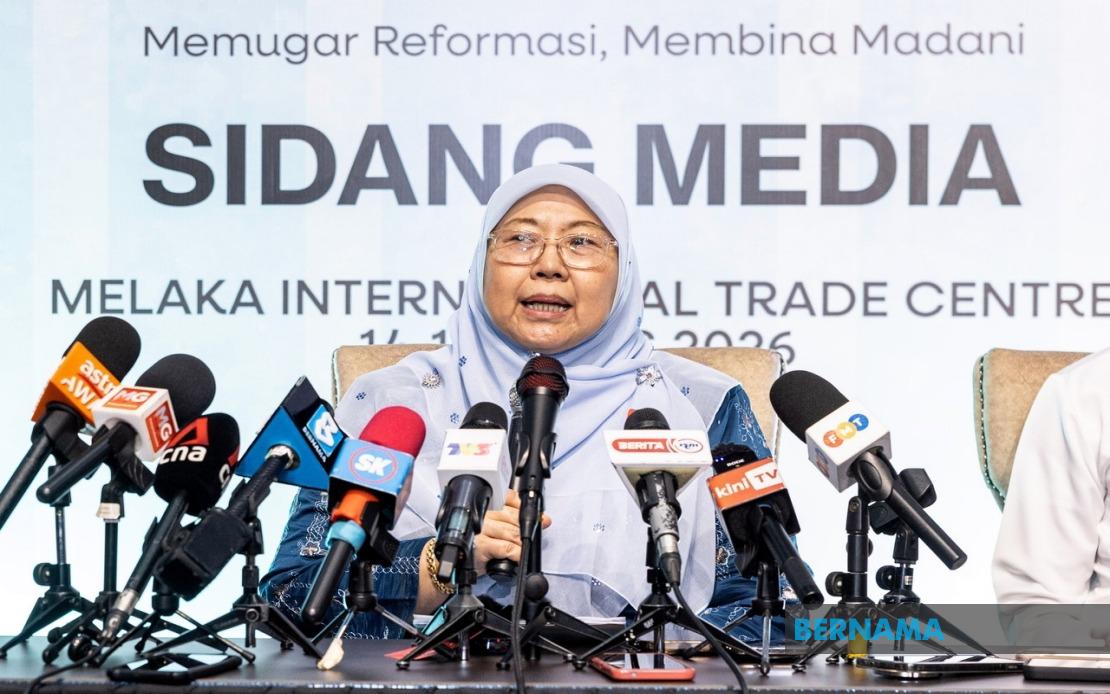
PKR has declined to establish a specific timeline for deputy president Nurul Izzah Anwar's leave of absence as she pursues advanced education, signalling instead a flexible arrangement that allows her to resume her position whenever circumstances permit. The announcement came from party secretary-general Senator Datuk Dr Fuziah Salleh during a press conference in Melaka on August 14, where she emphasised PKR's openness to welcoming Anwar back into her role as soon as she determines she is ready to do so.
Nurul Izzah will complete her current commitments through the party's upcoming National Congress before stepping away from her position. Her participation is expected to remain consistent during the congress period, a three-day event that will require her continued engagement with party functions. Among her scheduled responsibilities are officiating sessions of the Angkatan Muda Keadilan (AMK) and Wanita PKR forums, participating in formal debates, delivering wind-up remarks during proceedings, and offering closing comments to delegates.
The open-ended nature of this arrangement reflects a broader pragmatism within PKR regarding balancing institutional leadership roles with individual members' personal development aspirations. Rather than imposing bureaucratic constraints or establishing arbitrary deadlines, the party has chosen an approach that prioritises retention of key personnel by accommodating their long-term goals. This flexibility signals PKR's confidence in Nurul Izzah's continued commitment to the party despite her temporary step back from daily operational duties.
The 2026 National Congress, being held at the Melaka International Trade Centre in Ayer Keroh, serves as the formal transition point for this arrangement. The congress itself represents a significant gathering for PKR, bringing together party representatives and decision-makers to chart the organisation's strategic direction. Nurul Izzah's full participation through the conclusion of these proceedings ensures continuity in party governance and allows her to contribute substantively to key deliberations before her leave commences.
Fuziah indicated that PKR president will utilise the congress platform to deliver a comprehensive policy address encompassing the party's foundational struggle, medium and long-term strategic direction, and future institutional aspirations. This speech will also outline PKR's formal agenda for internal restructuring and organisational reform, matters that rank prominently among current party priorities. The address provides an opportunity to reaffirm party principles and outline the roadmap for member engagement.
Delegate participation in the congress carries significant weight regarding the party's trajectory. Fuziah emphasised that members retain full discretion to determine which specific motions they wish to initiate for substantive debate, including proposals focused on strengthening PKR's operational capacity and institutional resilience. This delegate-driven approach democratises the congress process and ensures grassroots voices directly shape party evolution rather than decisions being imposed from the leadership tier alone.
For Malaysian political observers, this development carries implications extending beyond PKR's internal management. The ease with which major parties accommodate extended leave for senior figures pursuing further education reflects evolving professional expectations within contemporary politics. Educational advancement has increasingly become a legitimate consideration even for those holding significant party positions, a shift from earlier decades when such pursuits were often viewed as potential threats to political relevance.
Nurul Izzah's decision to pursue further studies whilst holding the deputy presidency position underscores intellectual engagement within political leadership. Her commitment to educational development, even whilst managing substantial party responsibilities, demonstrates the compatibility between scholarly pursuits and political service—a message particularly relevant for younger Southeast Asian politicians navigating careers within competitive political environments.
The undefined nature of her leave period also avoids potential complications that fixed timelines might create. Should her studies extend longer than initially anticipated, or conversely if she completes them ahead of schedule, PKR can adjust accordingly without formal procedural amendments or public announcements about timeline extensions. This administrative fluidity proves more practical than rigid scheduling, particularly given the unpredictable duration of advanced academic programmes.
For PKR specifically, maintaining this connection with Nurul Izzah during her absence ensures she remains psychologically engaged with party developments and strategic conversations, even if her formal participation becomes limited. The open invitation to resume duties whenever appropriate keeps pathways clear for her return to full responsibility, avoiding the sense of permanent displacement that definitive separations might create within party hierarchy.
The broader political significance lies in how major opposition parties like PKR handle transitions in leadership availability. Retaining institutional memory and personal relationships with experienced deputies strengthens long-term party cohesion. By accommodating Nurul Izzah's educational aspirations rather than forcing a binary choice between career advancement and political service, PKR demonstrates adaptability that increasingly characterises mature political organisations across Southeast Asia.

