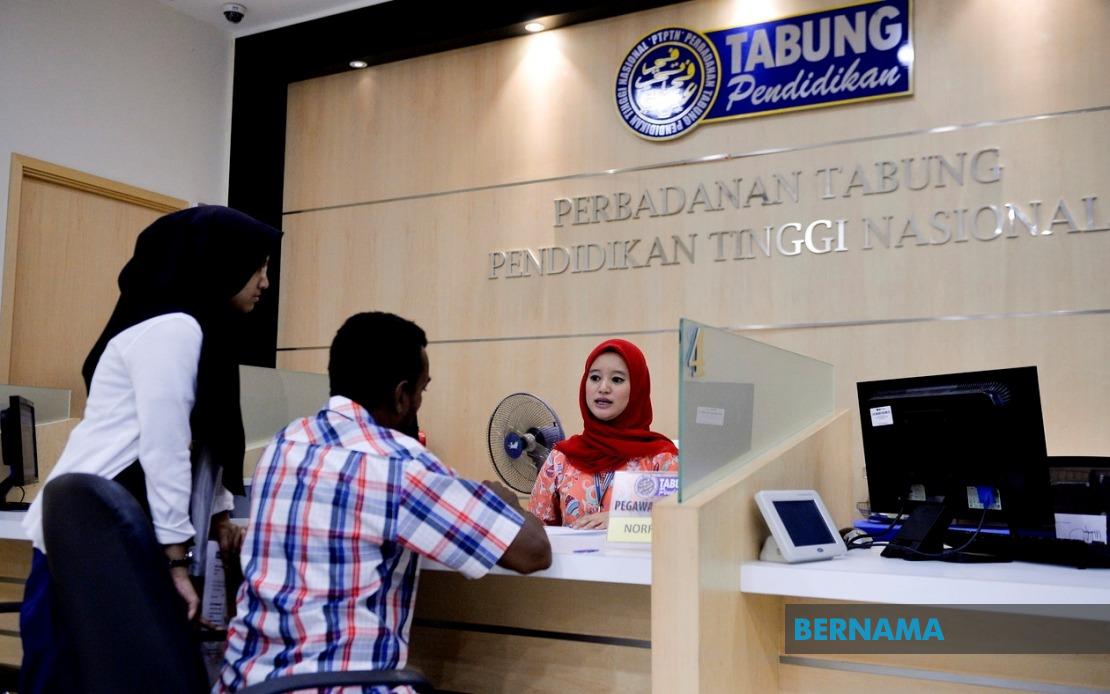
The Women's Wing of Parti Keadilan Rakyat has launched a forceful call for sweeping reforms to Malaysia's student loan system, demanding the immediate elimination of collection agency fees that it argues are pushing already-vulnerable borrowers deeper into financial distress. Speaking through executive committee member Karen Kasturi, PKR Wanita has positioned itself ahead of broader government discussions about restructuring or potentially scrapping the National Higher Education Fund Corporation entirely, insisting that immediate relief for current loan holders cannot wait for longer-term policy decisions.
The core grievance centres on what PKR Wanita characterises as a punitive fee structure that compounds existing repayment difficulties. When accounts are referred to debt collection agencies, borrowers face a dual burden: a demand for lump-sum settlement of up to 50 per cent of their outstanding balance, coupled with a 15 per cent intermediary fee. For those already struggling with monthly obligations, this additional charge creates what the party describes as an insurmountable barrier to loan resolution, transforming what should be a path toward financial recovery into a deepening spiral of debt.
Beyond the fee question lies a systemic inconsistency that Karen Kasturi has highlighted as equally damaging to borrower welfare. The current process creates a labyrinth where individuals seeking to renegotiate repayment terms are directed toward PTPTN offices, only to be redirected to debt collection agencies without clear explanation or genuine negotiation opportunities. This circular referral pattern leaves borrowers confused about their actual options and generates unnecessary frustration among those genuinely committed to meeting their obligations. The absence of transparent guidance means many give up attempts at restructuring, accepting default rather than navigating an opaque system.
The timing of PKR Wanita's intervention is strategically significant given Prime Minister Datuk Seri Anwar Ibrahim's recent commitment to discuss potential abolition or fundamental restructuring of PTPTN following campaigns in the Johor state election. While acknowledging this openness to broader reform as welcome, the women's wing is effectively arguing that philosophical debates about whether the scheme should exist cannot supersede the immediate material needs of existing borrowers. The party is framing this as a humanitarian imperative rather than merely a technical policy matter.
The proposed solutions are structured in layers of escalating ambition. At minimum, PKR Wanita seeks removal of the 15 per cent collection fee, arguing this single change would provide immediate breathing room for thousands of households. More ambitiously, the party calls for a fundamental restructuring of how PTPTN engages with struggling borrowers, eliminating intermediaries entirely and establishing direct negotiation channels. This would restore agency to borrowers while reducing transaction costs that currently enriched external collection agencies at borrowers' expense.
Karen Kasturi has also emphasised the particular vulnerability of lower and middle-income borrowers designated as B40 and M40 households. These groups, whom the government has identified as priority recipients of targeted assistance across multiple policy domains, face unique challenges in repaying education loans while managing other household expenses. She has advocated for restructuring options calibrated to actual household income levels rather than standardised repayment schedules designed without regard for economic diversity among borrowers.
A particularly contentious dimension involves the interaction between PTPTN repayment and Employees Provident Fund savings. Government policy permits EPF withdrawals for education loan repayment, theoretically offering borrowers a lifeline. However, PKR Wanita warns that intermediary charges—including the disputed collection fees—can substantially erode EPF amounts before they reach PTPTN creditors. This effectively means that retirement savings, already at risk through loan repayment, suffer further depletion through agency commissions. The party argues this violates basic principles of financial fairness, treating education loan borrowers as subordinate to commercial interests.
The framing of borrowers as citizens rather than mere debtors represents a rhetorical but also substantive repositioning of how PTPTN policy should be understood. Rather than viewing loan non-compliance as a moral or character failure, Karen Kasturi insists on recognition that borrowers are Malaysians who exercised their right to pursue higher education and now face genuine economic obstacles to repayment. This language shift reflects broader PKR positioning on social welfare and reflects genuine ideological distinctions within the coalition government.
The call for more flexible restructuring mechanisms acknowledges that cookie-cutter repayment schedules fail in real economic life. Borrowers experience job transitions, health crises, family emergencies, and income disruptions that standardised monthly payments cannot accommodate. Flexible restructuring that recognises these contingencies would convert PTPTN from a rigid creditor into a more responsive institutional partner, arguably increasing overall collection rates by permitting borrowers to maintain engagement rather than defaulting.
PKR Wanita's intervention also reflects broader generational anxieties about higher education financing in Malaysia. As university costs rise and graduate employment becomes more uncertain, student debt has evolved from a temporary post-graduation burden into a long-term structural feature of young Malaysians' financial lives. For many borrowers, PTPTN obligations now stretch into their thirties or forties, competing with mortgage payments, family expenses, and retirement contributions. This reality demands policy responses beyond twentieth-century models designed when education loans represented temporary obstacles rather than permanent features of household balance sheets.
The party's emphasis on government responsibility for listening to borrower voices introduces an accountability dimension often absent from technocratic policy discussions. By insisting that PTPTN reform must begin with consultation and responsiveness to those bearing the actual consequences of current arrangements, PKR Wanita is effectively challenging the ministry to demonstrate genuine commitment to reform rather than performative gestures. This demand for authentic engagement may prove more transformative than any specific policy recommendation, potentially shifting how government institutions approach affected populations.
As Higher Education Minister Datuk Seri Dr Zambry Abd Kadir considers Prime Minister Anwar Ibrahim's instruction to explore PTPTN abolition or restructuring, PKR Wanita's intervention establishes clear parameters for acceptable reform. The party has essentially served notice that any solution accepted by ruling coalition members must include immediate relief measures for current borrowers alongside longer-term structural changes. This political positioning may influence how ministry officials navigate between competing interests of educators, lenders, borrowers, and fiscal conservatives within government.

