Two hundred alumni from the remodelled National Service Training Programme (PLKN) 3.0 will participate in the National Day parade scheduled for August 31 in Putrajaya, representing a landmark moment for the nation's youth development strategy. The milestone underscores the government's commitment to integrating the reimagined training scheme into Malaysia's patriotic celebrations and public consciousness. This inaugural participation by PLKN 3.0 graduates during the ceremony will expose the programme's benefits to a broader audience and reinforce its role in cultivating national pride among younger Malaysians.
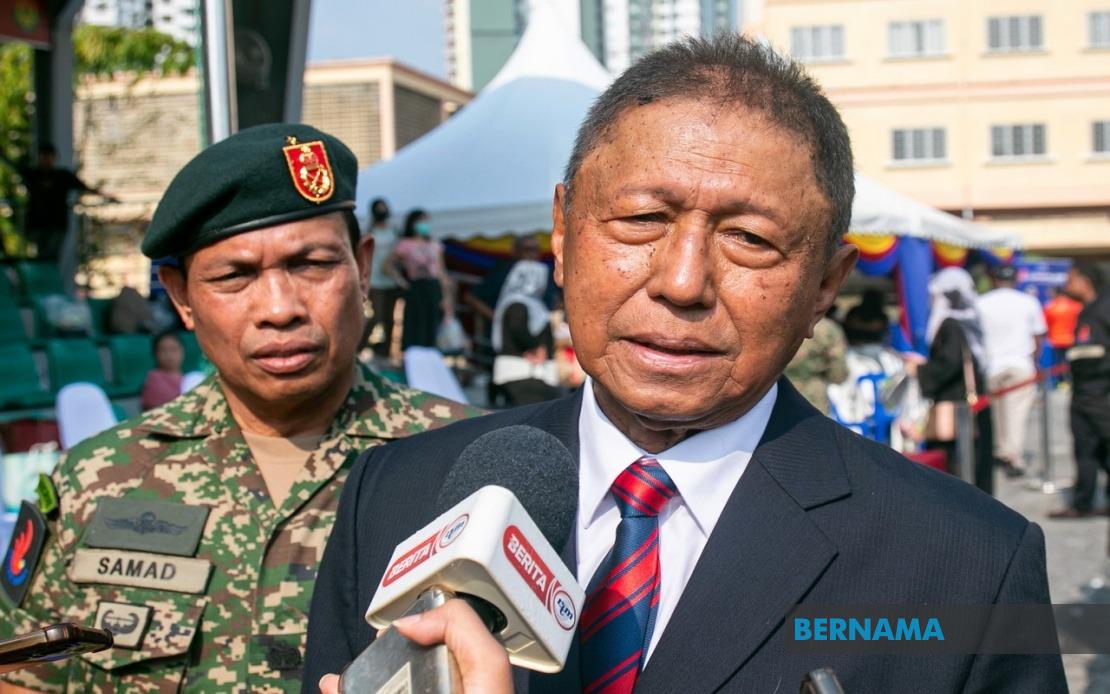
General (Rtd) Tan Sri Dr Abdul Aziz Zainal, chairman of the National Service Training Council (MLKN), announced that selected trainees would commence their parade rehearsals in Putrajaya beginning the following day to ensure they are fully prepared for the high-profile event. The presence of PLKN 3.0 participants during the ceremony, watched by the reigning monarch, the Prime Minister, Cabinet ministers, and the general public, signals official recognition of the programme's success. For the trainees involved, marching before Malaysia's highest political and ceremonial figures represents validation of their commitment and the value society places on national service participation.
The decision to feature PLKN 3.0 graduates aligns with broader government efforts to publicise the initiative's achievements and demonstrate the tangible results emerging from the restructured training framework. By showcasing these young individuals at a ceremonial occasion watched by millions, authorities aim to encourage future cohorts to engage with the programme and normalise national service as a defining experience in youth development. The visibility granted to PLKN 3.0 participants also serves to bridge the gap between military traditions and civilian society, fostering greater understanding of defence and security issues among the broader population.
The PLKN 3.0 Series 3/2026 training cycle concluded with 795 trainees successfully completing the forty-five-day programme, which commenced on July 11 across three separate training camps nationwide. The cohort comprised 106 female trainees stationed at Camp 504 AW in Bukit Keteri, Perlis; 442 male trainees at Camp 505 AW in Pekan, Pahang; and 247 female trainees at Camp 515 AW in Kuala Lumpur. This geographical distribution across multiple states demonstrates the decentralised approach the government has adopted to make national service accessible to youth from different regions, reducing logistical barriers and allowing participants to train in familiar environments.
Three standout trainees were recognised for exceptional performance during this series. An'nur Najiha Muhammad, eighteen years old from Ipoh, Perak, emerged as the best performer from the Bukit Keteri facility, while Muhammad Firdaus Muhammad Said, also eighteen and from Kuantan, Pahang, led his peers at the Pekan camp. Cheyenne Alessandra Michael, eighteen, from Kuala Lumpur, topped participants at the capital's training centre. The recognition of these high-achieving individuals highlights the diverse backgrounds represented within the programme and demonstrates that excellence transcends geographical and demographic boundaries within Malaysia's youth cohort.
Looking forward, the MLKN has signalled ambitious expansion plans for the upcoming PLKN 3.0 Series 4/2026 cycle. The organisation intends to substantially increase participant numbers by establishing additional training facilities and forging partnerships with existing infrastructure. Five newly designated camps will commence operations, including facilities in Hutan Melintang, Perak; Sungai Durian, Kelantan; and Bukit Pinang, Kedah, alongside two public training institutes functioning as alternative centres in Sungai Petani, Kedah and Tuaran, Sabah. This expansion builds upon the three established camps that have successfully delivered the current cohort.
To support the anticipated influx of trainees, the MLKN plans to significantly expand its training workforce and leverage facilities operated by the Malaysian Volunteer Corps Department (RELA). By integrating RELA's existing infrastructure with dedicated PLKN 3.0 training centres, authorities project the capacity to train more than one thousand participants in forthcoming cycles. This collaborative approach maximises resource efficiency and demonstrates how different government agencies can combine expertise to achieve national objectives. The willingness to partner with RELA reflects pragmatic planning aimed at meeting expanding demand without compromising training quality or participant welfare.
Cheyenne Alessandra Michael, one of the standout graduates, offered insights into the transformative impact of the forty-five-day training experience. She articulated that her voluntary participation stemmed from a genuine aspiration to pursue a military career, and she characterised the intensive training as a profound catalyst for developing patriotic consciousness. Her daily interactions with active-duty Wataniah soldiers stationed at the training facility deepened her appreciation for military service and the disciplined environment these personnel maintained. The proximity to professional soldiers provided an authentic window into defence force culture and professionalism, elements that classroom-based civic education cannot replicate.
For Cheyenne and her peers, the PLKN 3.0 experience catalysed deeper reflection on Malaysia's historical trajectory and the sacrifices made by preceding generations to secure independence. The programme fostered recognition among young participants that maintaining national peace and sovereignty constitutes an ongoing collective responsibility extending beyond governmental structures into society broadly. This intergenerational transfer of patriotic consciousness represents one of the initiative's most valuable, though less easily quantifiable, outcomes. By exposing youth to military contexts and instilling appreciation for security forces' contributions, the programme cultivates informed citizenship and encourages younger Malaysians to think seriously about national interests.
The expansion and increasing visibility of PLKN 3.0 reflects evolving government thinking about national service's role in twenty-first century Malaysia. Rather than viewing military training as an isolated activity confined to barracks, policymakers now emphasise its integration into national celebrations, media narratives, and public consciousness. The programme addresses multiple policy objectives simultaneously: developing youth discipline and resilience, fostering patriotic identity, building practical defence sector familiarity, and creating shared formative experiences across Malaysia's diverse population. For Southeast Asian observers, the PLKN 3.0 expansion demonstrates one nation's deliberate approach to instilling national cohesion among youth through structured, immersive training programmes.
As PLKN 3.0 matures and expands, its success may influence regional thinking about youth development strategies. Malaysia's approach combines mandatory national service elements with voluntary participation options, creating a hybrid model that appeals to diverse motivations. The programme's apparent effectiveness in producing graduates who articulate enhanced patriotic commitment suggests that carefully designed national service frameworks can generate measurable outcomes in civic consciousness and national pride. For Malaysia specifically, the August 31 parade appearance represents a symbolic coming-of-age moment for PLKN 3.0, signalling that the revitalised initiative has transcended its initial implementation phase and earned recognition as a mainstream component of national life.

