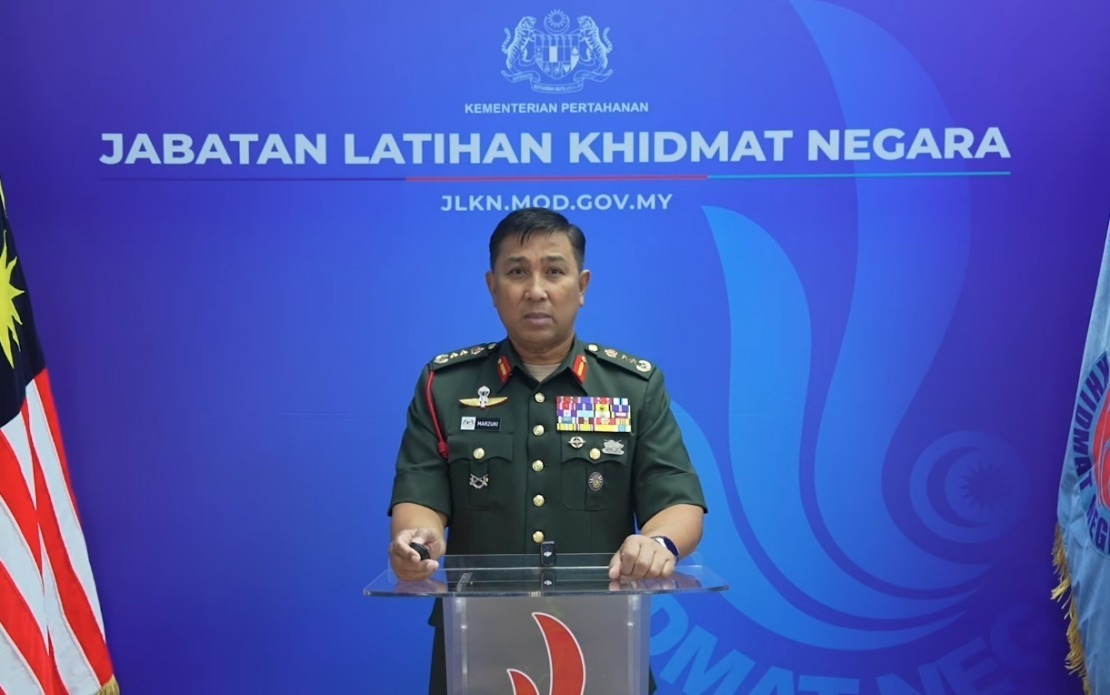
The National Service Training Department has accommodated 77 trainees enrolled in the PLKN 3.0 Series 3/2026 programme by granting them leave to participate in the Johor and Negeri Sembilan state elections, affirming the government's commitment to protecting citizens' voting rights regardless of their circumstances. Major General Datuk Marzuki Mokhtar, the department's director general, explained that the concession reflects an intentional policy to preserve trainees' constitutional entitlements to vote while maintaining the integrity and educational outcomes of the mandatory national service initiative.
The voting schedule necessitated different arrangements for the two groups of trainees. Those voting in today's Johor state election—numbering 31 individuals—have received permission to return to their respective training camps tomorrow, minimising disruption to their programme schedule. The larger contingent of 46 trainees casting ballots in the Negeri Sembilan election on August 1 will receive a more extended absence, granted two to three days off to account for travel time and the voting process itself, acknowledging the logistical complexities of reaching polling stations from training bases.
This accommodation occurs within a broader context of PLKN 3.0 Series 3/2026, which commenced today and will conclude on August 24, drawing a total of 870 confirmed trainees across three designated facilities nationwide. The programme's geographic distribution reflects strategic deployment patterns, with the largest contingent of 500 trainees stationed at Camp 505 AW in Pekan, Pahang, positioning them for instruction in the peninsular heartland. A secondary facility at Camp 515 AW in Kuala Lumpur accommodates 250 trainees, allowing accessibility for those from the capital region and surrounding areas, while Camp 504 AW Bukit Keteri in Perlis hosts 120 trainees in the northern peninsula, ensuring representation across Malaysia's diverse regions.
The decision to grant voting leave carries implications for how Malaysia manages the intersection of civic obligations and national service requirements. Mandatory military-style training has occasionally created tensions between state objectives and individual rights, particularly when timing conflicts with electoral processes. By proactively facilitating voting rather than constraining it, the JLKN demonstrates a modernised approach to balancing institutional discipline with democratic principles—an important precedent that recognises young citizens' stake in electoral outcomes that directly affect their futures and communities.
For Malaysian voters, and especially younger generations navigating mandatory national service, the ruling signals that statutory obligations should not impede fundamental democratic participation. The explicit approval represents a shift from viewing such programmes as requiring absolute temporal monopoly over participants' time toward acknowledging that state institutions serve broader national interests encompassing both security and civic engagement. This framework becomes particularly relevant given Malaysia's ongoing electoral calendar and the potential for future scheduling conflicts between training cycles and voting periods.
The accommodation also reflects practical recognition of PLKN 3.0's evolving role in national consciousness. Unlike previous iterations, the third version of the programme has been positioned as a transformative initiative emphasising character building and patriotic education alongside physical training. Allowing trainees to exercise voting rights reinforces messaging that PLKN cultivates responsible citizens, not merely disciplined subjects. By enabling participation in elections, the department essentially validates that trainees are trusted members of the national community whose political choices matter.
For the Johor and Negeri Sembilan state governments administering concurrent elections, the arrangement necessitates coordination with military and training authorities to ensure smooth voting procedures for this specific demographic. Poll management officials must account for the distinct registration patterns and potential concentration of votes from this cohort, preparing polling stations and election staff accordingly. The compressed voting window for the Johor cohort—fitting into a single day before returning to camp—requires efficient administrative execution.
Beyond the immediate logistics, this decision creates a precedent that may influence how future PLKN cycles interact with Malaysia's electoral schedule. As the nation continues implementing the 3.0 version of the programme, officials will likely develop standardised protocols for accommodating trainees in voting situations, reducing ad hoc decision-making and ensuring consistency across different batches and training locations. Such systematisation strengthens institutional planning while maintaining flexibility to respect democratic imperatives.
The JLKN simultaneously reminded prospective candidates for PLKN 3.0 Series 4/2026, particularly those born in 2008, to monitor official departmental channels for announcements regarding selection procedures and registration timelines. This communication underscores the department's emphasis on transparent, centralised information dissemination, cautioning potential trainees against relying on unauthorised recruitment agents or informal channels. The advisory carries practical importance given the programme's mandatory nature and the significant commitment it represents for participants and their families across Malaysia.

