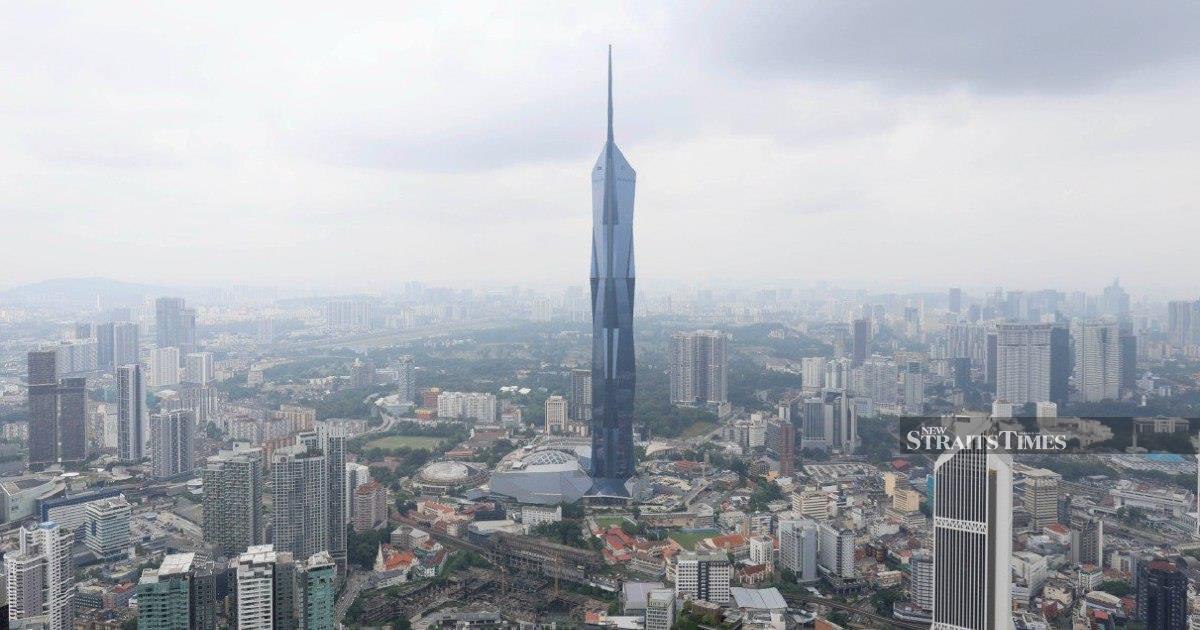
Prime Minister Datuk Seri Anwar Ibrahim has made a public appeal for Malaysians to engage in prayer and supplication, seeking divine intervention to alleviate the haze that threatens to disrupt the nation's National Day celebrations scheduled for Aug 31. The call reflects growing anxiety within government circles about the intersection of environmental challenges and major national events, with the premier recognizing that atmospheric conditions remain a significant variable beyond administrative control.
The haze phenomenon has become an annual concern for Malaysia during certain periods of the year, typically occurring when transboundary smoke from regional land-clearing activities drifts across the Strait of Malacca. The issue gained particular prominence in 2013 and 2015, when severe haze episodes prompted health emergencies and disrupted normal economic and social activities. As Malaysia approaches one of its most significant national observances, officials are acutely aware that poor air quality could compromise public participation in festivities, compromise outdoor events, and pose respiratory risks to vulnerable populations including children, elderly citizens, and those with existing health conditions.
National Day celebrations represent a cornerstone of Malaysian civic identity, traditionally featuring parades, cultural performances, flag-raising ceremonies, and public gatherings across the country. The festivities draw tens of thousands of spectators to outdoor venues, requiring clear skies and reasonable air quality for safe and meaningful participation. When haze descends during such periods, it not only obscures visibility but forces authorities to implement emergency protocols, restrict outdoor activities, and redirect resources toward public health management. The prime minister's intervention signals that the government is monitoring air quality forecasts closely as the celebration date approaches.
Anwar's appeal to prayer reflects a broader cultural context within Malaysian society where spiritual and religious observances complement secular governance and policy implementation. The invocation of collective supplication serves multiple functions—it acknowledges public concern, demonstrates leadership awareness of the issue, and mobilizes the population toward united hope for improvement. Such appeals have historically accompanied various national challenges in Malaysia, creating a sense of shared responsibility and collective engagement with environmental and social issues.
The timing of Anwar's statement underscores the unpredictability inherent in environmental phenomena. Despite advances in meteorological science and forecasting capabilities, transboundary haze remains difficult to predict with absolute certainty more than a few weeks in advance. Weather patterns, regional burning activities, wind currents, and seasonal variations all contribute to haze formation and dispersal. Officials must therefore balance public expectations with realistic acknowledgment of natural limitations, while simultaneously pursuing diplomatic and regulatory solutions to underlying causes.
Regional cooperation represents a critical dimension of addressing transboundary haze. The Association of Southeast Asian Nations (ASEAN) has established frameworks and agreements to coordinate responses to regional atmospheric pollution, though implementation challenges persist. Malaysia's government typically engages with neighboring countries during haze season to encourage compliance with burning restrictions and environmental protocols. Whether such diplomatic efforts will yield tangible improvements before the National Day period remains uncertain, reflecting the complex interplay between national sovereignty, regional coordination, and environmental management.
The public health dimensions of haze warrant particular attention as celebration dates approach. Air quality measured through indices tracking fine particulate matter (PM2.5 and PM10) directly impacts respiratory health and cardiovascular function. Outdoor festivities planned for National Day could expose millions of Malaysians to unhealthy air conditions if haze levels remain elevated. Health authorities typically issue advisories recommending mask usage, limiting outdoor exposure, and seeking medical attention for symptoms including coughing, wheezing, and eye irritation. The premier's prayer appeal implicitly acknowledges these health risks while signaling governmental concern for citizen wellbeing.
Event planning authorities and state-level organizers responsible for National Day programming now face contingency decisions. Should haze persist, they must determine whether to proceed with outdoor components as scheduled, relocate activities to indoor venues where possible, implement partial restrictions, or reschedule non-essential events. These decisions carry implications for economic activity related to celebrations, public morale, and the symbolism of national observance. The uncertainty created by unpredictable haze conditions complicates logistical planning for what typically represents a months-long preparation process.
The situation also highlights Malaysia's vulnerability to environmental challenges originating beyond its borders. While domestically Malaysia has implemented regulations restricting agricultural burning and industrial emissions, cross-border haze remains substantially determined by activities in neighboring jurisdictions. This dynamic creates frustration for policymakers committed to environmental stewardship but constrained by limited direct control over regional atmospheric conditions. The prime minister's prayer appeal, while culturally resonant, implicitly acknowledges these structural limitations that no single nation can entirely overcome independently.
Looking forward, the period leading to Aug 31 will prove critical for monitoring air quality trends. Meteorological departments across the region track forecasts, wind patterns, and potential burning hotspots to provide governments and citizens with timely information. Whether Anwar's spiritual appeal finds practical expression through improved atmospheric conditions depends substantially on meteorological factors and regional compliance with environmental protocols. The convergence of a major national celebration with seasonal environmental uncertainty creates a pivotal moment that will test both Malaysia's environmental resilience and its capacity to maintain national observances amid natural challenges.

