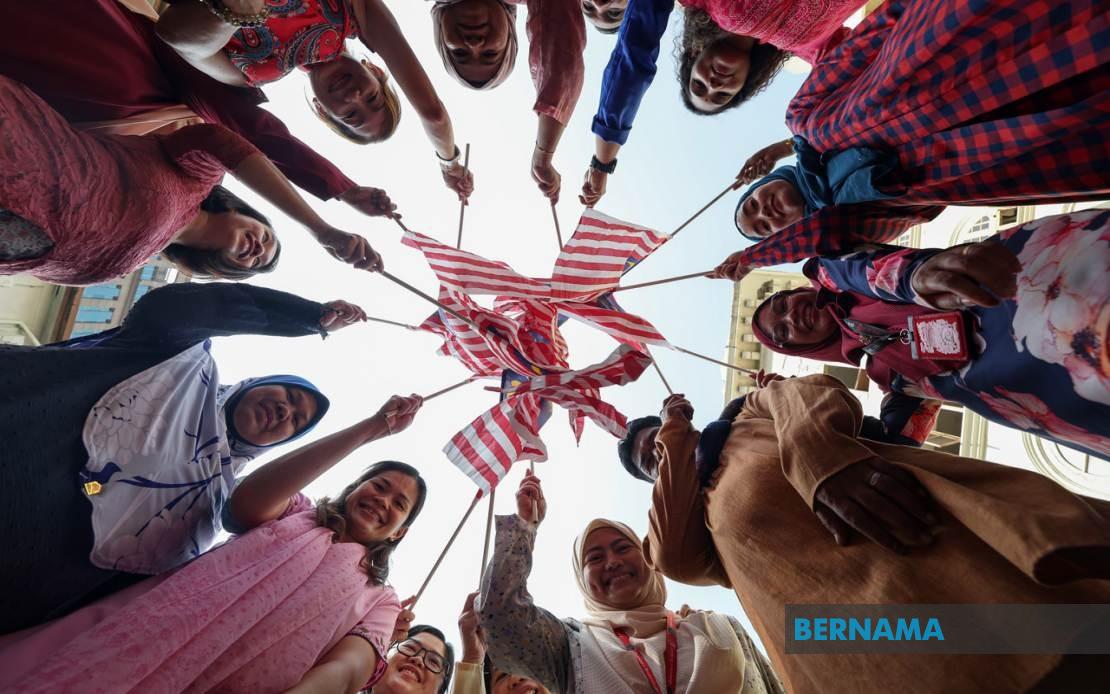
Prime Minister Datuk Seri Anwar Ibrahim has issued an urgent appeal to Malaysians to safeguard their nation and preserve unity as the foundation of the country's resilience, marking a significant civic reminder ahead of tomorrow's 69th National Day celebrations. In messaging released on social media and video statements, Anwar framed independence not merely as a historical achievement but as an ongoing responsibility requiring active commitment from every citizen across Malaysia's diverse communities.
Anwar's address emphasised that true independence extends beyond political sovereignty and encompasses the freedom of a people to determine their own collective future. The Prime Minister articulated that maintaining a dignified nation capable of charting its own course depends fundamentally on the confidence and strength that comes from internal cohesion. This framing carries particular resonance given Malaysia's multicultural composition and the periodic tensions that surface around questions of national identity and communal representation.
The PM specifically highlighted the contributions of Malaysia's major ethnic communities—Malays, Chinese, Indians, Ibans, Kadazans, Muruts, Bidayuhs, and Orang Ulu—as demonstrative of the nation's collective strength when unified. Rather than treating these communities as separate constituencies competing for attention, Anwar positioned them as complementary components of Malaysian identity. This inclusive approach reflects ongoing efforts by the current administration to foster a cohesive national narrative that acknowledges diversity while emphasising shared purpose.
Central to Anwar's message was an insistence that previous generations paid considerable sacrifices—through blood, sweat, and tears—to establish Malaysia as an independent nation. By invoking this historical obligation, he implicitly argued that contemporary Malaysians have inherited not merely rights but responsibilities to preserve and strengthen what their predecessors secured. This intergenerational framing seeks to instil a sense of stewardship among citizens who might otherwise take independence for granted.
Anwar stressed that national interests must supersede ethnic and regional considerations, a statement that addresses longstanding concerns about potential fractures along communal lines. The positioning of Malaysia as a nation committed to justice for all people, including those who are marginalised or sidelined, reflects the administration's stated commitment to inclusive development. This emphasis on justice and equity suggests an attempt to broaden the social contract beyond traditional frameworks and appeal to citizens who feel excluded from national prosperity.
The Prime Minister's call for Malaysians to work collectively as a unified team and maintain unwavering commitment to defending the nation appears timed strategically before National Day celebrations. Tomorrow's observance carries the theme "Malaysia MADANI: Kesejahteraan Dinikmati," which translates to prosperity for all—a frame that complements Anwar's messaging around inclusive strength and shared benefit. The coordination of these messages suggests a deliberate effort to advance a particular vision of nationhood during a ceremonial moment when national sentiment runs high.
For Malaysian readers, Anwar's emphasis on unity and collective defence carries practical implications beyond rhetorical flourish. The country faces complex challenges including managing economic disparities across communities, addressing tensions over religious and cultural issues, and maintaining social cohesion amid rapid modernisation. The PM's message suggests that the government views strengthening national solidarity as instrumental to addressing these multifaceted pressures.
The appeal also carries significance within the broader Southeast Asian context, where several nations grapple with questions of national unity, ethnic representation, and equitable development. Malaysia's relative success in maintaining stability despite deep diversity offers lessons that resonate across the region. Anwar's articulation of unity as essential to national strength may serve to reinforce Malaysia's position as a functioning multicultural democracy, though such claims require ongoing validation through policy and practice.
Anwar's repeated emphasis that independence was achieved through collective strength serves as a counterpoint to any narrative suggesting that particular communities carry sole responsibility for national formation. This historical reframing seeks to establish a more inclusive foundation myth for the nation, one in which all major communities share credit and ownership. However, the extent to which such messaging translates into substantive changes in power distribution, resource allocation, and policy implementation remains subject to scrutiny from various quarters.
The timing of this appeal, emerging as Malaysia prepares to mark another year of independence, underscores how contemporary politics continues to engage with foundational questions about national identity and purpose. Whether delivered through social media platforms or video messages, these communications reflect the administration's attempts to cultivate a vision of Malaysia characterised by harmony without homogeneity—a nation strengthened by diversity properly managed and unity genuinely cultivated. The effectiveness of such appeals depends considerably on whether citizens perceive corresponding commitment to justice and inclusive prosperity in concrete government actions.

